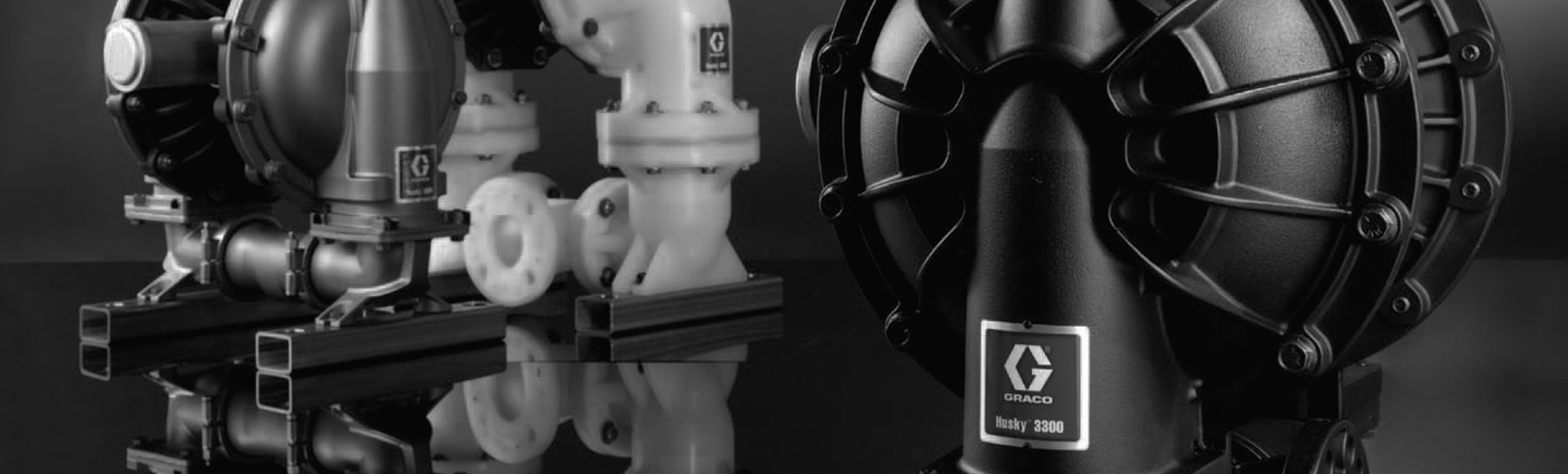
Fluid Handling Pumps
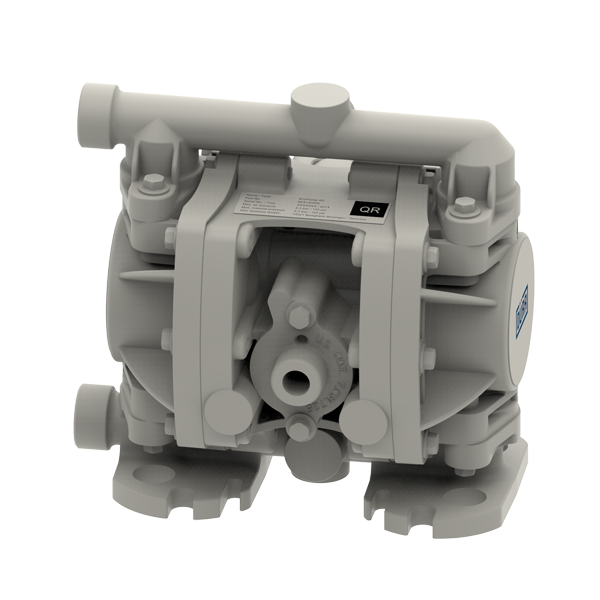
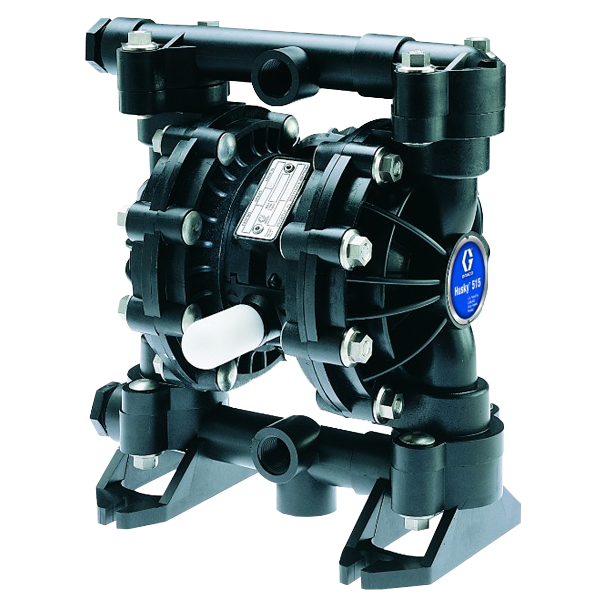
Choosing the Right Air Operated Diaphragm Pump for Industrial Applications
In fluid handling systems, the pump is often the only moving component that remains in continuous contact with the process medium. It must tolerate chemical exposure, mechanical stress, temperature variation, and imperfect operating conditions—often over long operating cycles and without interruption.
Chemical transfer pumps are customizable fluid handling solutions designed to manage a wide range of fluids, including corrosive and abrasive substances. Their pump housings can be tailored to specific application requirements, ensuring compatibility and durability in demanding industrial environments.
When pumps underperform or fail in industrial environments, the cause is rarely a manufacturing defect. More often, it is the result of a selection decision made without fully understanding how the fluid, the operating conditions, and the safety constraints interact in practice. These mismatches tend to surface gradually, through higher air consumption, unstable operation, premature wear, or leakage rather than sudden breakdown.
This guide explains how experienced engineers, maintenance managers, and technical buyers approach fluid handling pump selection. The objective is to establish a clear, technically defensible selection logic that can be applied to any pump range.
Fluid Handling in Industrial Operations: Risks, Constraints, and Performance Impact
Fluid handling is at the heart of countless industrial processes, from surface treatment and metal processing to food production and shipbuilding. Whether transferring chemicals, managing wastewater, or dosing precise amounts of liquid in a production line, the ability to move fluids safely and efficiently is critical to operational success.
Industrial fluid handling systems are designed to transport, mix, or process a wide variety of liquids—each with its own set of challenges. These can include aggressive chemicals that demand high chemical resistance, abrasive slurries that wear down equipment, or sensitive fluids that require gentle handling to avoid degradation. The right pump is essential not only for maintaining process reliability and product quality, but also for ensuring worker safety and regulatory compliance.
Selecting a suitable pump for chemical transfer, abrasive fluids, or other demanding applications requires a deep understanding of both the fluid’s properties and the operating environment. With numerous applications and a vast array of pump technologies available, making the right choice can have a long-term impact on maintenance costs, downtime, and overall process efficiency. This guide is designed to help industrial customers navigate these choices with confidence, providing practical insights into pump selection, design, and application.
Fluid Properties as the Primary Driver of Pump Selection
Every pump selection process must begin with the fluid itself. Before flow rate, before pressure, and before installation constraints, the chemical and physical behavior of the medium determines which pump configurations are even viable.
Chemical compatibility is the first and most restrictive filter. The pump’s wetted parts—housing, diaphragms, balls, and seats—must remain stable not only in direct contact with the fluid, but also when exposed to vapors, cleaning agents, and surrounding atmosphere. Acidic and caustic fluids typically require polymer housings such as Polypropylene or PVDF, as metal housings can degrade over time due to corrosive fumes. Solvents and flammable liquids introduce an additional hazard: static electricity. In these cases, conductive and groundable materials such as Acetal, Aluminum, or Stainless Steel are required. Abrasive fluids add mechanical stress, making elastomer choice just as critical as housing material.
Once chemical behavior is understood, physical properties become decisive. Viscosity influences how easily the fluid moves through the pump, affecting cycle speed, air consumption, and port sizing. Fluids containing solids impose strict limits on valve geometry and internal clearances. Smaller diaphragm pumps are suitable only for clean fluids or very fine particles, while larger pumps are specifically engineered to pass solids of several millimeters without clogging or damage.
Safety and Compliance Define What Is Technically Allowed
In many industrial environments, safety requirements are not an additional consideration—they define the selection boundaries.
When flammable fluids or explosive atmospheres are present, grounding is mandatory. Only pump configurations made from conductive plastics or metals and equipped with grounding points can be used. Standard Polypropylene or PVDF, while chemically compatible with many fluids, are non-conductive and unsuitable for these applications unless supplied in conductive variants. In practice, this means safety requirements often eliminate entire material families early in the selection process.
Defining Performance Based on the Real Process
Flow rate is often the most visible performance parameter, but it must be interpreted carefully. Pumps sized only for peak flow frequently operate inefficiently during normal production, consuming excess compressed air and accelerating wear. Undersized pumps, on the other hand, are forced to operate near their maximum capacity, leading to unstable cycling and shortened service life.
Suction lift and priming capability are equally process-dependent. Many installations require pumps to draw fluid from below their mounting level, sometimes under dry-start conditions. Diaphragm pumps are widely used in these scenarios because they can self-prime and run dry without damage—capabilities that are essential in non-ideal installations. In industrial chemical handling, a transfer pump designed for transferring corrosive chemicals in manufacturing and distribution processes is valued for its reliability and durability.
Air consumption becomes a dominant cost factor in continuous or high-duty-cycle applications. Compressed air is convenient, but expensive. Modern air valve designs can significantly reduce air usage, but these gains are only meaningful when efficiency is evaluated against actual operating hours rather than nominal specifications.
Operating Conditions That Influence Long-Term Reliability
Temperature limits are dictated by material selection rather than pump size. PVDF offers higher temperature resistance than Polypropylene, while metal housings are often limited by diaphragm and elastomer materials. Exceeding these limits typically causes gradual degradation rather than immediate failure, making incorrect selection difficult to detect early.
Noise and leak prevention are also frequently underestimated. In enclosed environments, noise affects worker safety and compliance. When handling aggressive, toxic, or high-value fluids, leak prevention becomes critical. Designs using bolt-through fluid covers reduce potential leak paths compared to clamp-band constructions and are often preferred for higher-risk applications.
Types of Pumps
Industrial fluid handling relies on a variety of pump technologies, each designed to address specific challenges related to fluid properties, process requirements, and installation constraints. Understanding the main types of pumps and their unique features is the first step in matching the right solution to your application.
- Air Operated Double Diaphragm (AODD) Pumps: AODD pumps are widely used for chemical transfer, abrasive fluids, and applications where chemical resistance and safety are paramount. Their air operated design means there is no electric motor in contact with the fluid, reducing the risk of sparks and making them ideal for hazardous or explosive environments. With the ability to handle shear sensitive fluids, slurries, and solids-laden liquids, AODD pumps are valued for their versatility, ease of maintenance, and ability to run dry without damage. Fewer moving parts and robust construction make them reliable for long-term service in demanding industrial settings.
- Centrifugal Pumps: Centrifugal pumps are commonly used for high-flow, low-viscosity liquids such as water, light chemicals, and process fluids. They are efficient for continuous operation and are often selected for applications where large volumes need to be moved at relatively low pressure. However, they are less suitable for handling abrasive or viscous fluids, and typically require priming and careful material selection to ensure chemical compatibility.
- Peristaltic (Hose) Pumps: Peristaltic pumps are ideal for dosing and transferring shear sensitive or corrosive fluids. The fluid is contained within a flexible hose or tube, which is compressed by rotating rollers, ensuring that only the hose comes into contact with the liquid. This design provides excellent chemical resistance and makes maintenance straightforward, as replacing the hose restores the pump’s performance. Peristaltic pumps are often used in applications where contamination must be avoided or where precise dosing is required.
- Gear Pumps: Gear pumps are positive displacement pumps designed for transferring viscous fluids such as oils, resins, and polymers. Their precise, pulseless flow makes them suitable for metering and dosing applications. Gear pumps are robust and reliable, but their internal clearances make them less suitable for fluids containing solids or abrasives.
Each pump type offers distinct benefits and is manufactured in a range of sizes and materials to match the specific needs of industrial customers. By understanding the strengths and limitations of each, you can more easily find a pump that delivers reliable performance, long service life, and ease of maintenance for your application.
Pump Design and Construction
The design and construction of a pump play a crucial role in its ability to handle the rigors of industrial service. From the choice of materials to the configuration of internal components, every detail impacts the pump’s chemical resistance, durability, and ease of maintenance.
- Materials of Construction: Selecting the right materials is essential for ensuring chemical compatibility and corrosion resistance. Pumps designed for chemical transfer often feature housings and wetted parts made from Polypropylene, PVDF, Stainless Steel, or conductive plastics, depending on the chemicals involved. For abrasive fluids, reinforced plastics or metal components are chosen to withstand wear and extend service life.
- Seals and Diaphragms: Seals, diaphragms, and other elastomeric parts must be matched to the fluid’s properties and the operating temperature. Advanced elastomers provide resistance to aggressive chemicals, high temperatures, and mechanical stress, reducing the risk of leaks and unplanned downtime.
- Ease of Maintenance: Industrial pumps are often designed with fewer parts and modular construction, making them easy to disassemble, inspect, and service in the field. This reduces maintenance time and costs, allowing customers to keep critical processes running with minimal interruption. Features such as bolt-through covers, quick-release clamps, and standardized spare parts further enhance reliability and simplify inventory management.
- Design Features for Reliability: Modern pumps incorporate design elements that improve performance and safety, such as air valves that reduce air consumption, grounding points for use in explosive atmospheres, and noise-reducing housings for worker comfort. Pumps manufactured for industrial use are rigorously tested to ensure they meet demanding standards for pressure, temperature, and chemical resistance.
By focusing on robust design and high-quality materials, industrial pump manufacturers provide solutions that deliver long-term reliability, even in the most challenging environments. This attention to detail ensures that pumps remain a dependable part of your process, providing consistent performance and peace of mind.
Pump Selection Framework: Mapping Engineering Requirements to Practical Solutions
| Pump Application Category | How This Category Is Defined | Typical Size & Flow Range | Key Material Logic | Solids Handling Capability | Safety & Duty Profile | Pumps Covered |
| Precision Dosing & Very Low-Flow Transfer Pumps | Used where controlled, low-volume transfer is required and flow accuracy is more important than throughput. These pumps support processes rather than driving production flow. | 1/4" Up to 18.9 l/min | Polypropylene or PVDF for corrosives; conductive materials required for solvents | Clean fluids or very fine solids only (~1.5 mm max) | Intermittent duty; ATEX versions available | Graco Husky 205 |
| Low-Flow Utility & Internal Transfer Pumps | Selected for small-volume transfer where slightly higher flow is needed but space and integration constraints remain important. | 3/8" Up to 26.5 l/min | Polymer or conductive Acetal depending on chemical and safety needs | Light viscosity fluids; fine solids | Intermittent to light-duty operation | Graco Husky 307 |
| General Process & Plant Utility Pumps | Used for routine fluid transfer with moderate flow and flexibility across materials and applications. | 1/2"–3/4" ~50–60 l/min | Broad material choice based on chemistry | Light to moderate viscosity; limited solids | Suitable for indoor use; quieter designs often preferred | Graco Husky 515 Graco Husky 716 |
| Continuous Transfer & Bulk Handling Pumps | Applied where pumps run for long periods and air efficiency becomes a key operating cost factor. | 1" ~180–190 l/min | Plastics, conductive plastics, metals, specialty alloys | Moderate viscosity; suspended solids possible | High-duty-cycle operation; ATEX-ready | Graco Husky 1050 |
| High-Flow Industrial Process Pumps | Selected when large volumes must be moved reliably and solids handling is required, but flow remains below extreme evacuation levels. | 1.5" ~340–380 l/min | Plastics or metals depending on fluid chemistry | Slurries; solids up to ~6.4 mm | Designed for demanding environments | Graco Husky 1590 Dürr EcoPump AD 2420 |
| Heavy-Duty Slurry & Evacuation Pumps | Required when maximum throughput and large solids handling are the primary drivers, and higher air consumption is accepted. | 2" Up to 568 l/min | Reinforced plastics and metals | Large solids up to ~6.3 mm | Heavy-duty, high-air-use applications | Graco Husky 2150 |
Case Studies and Examples
Real-world examples highlight the importance of choosing the right fluid handling pump for industrial applications. Here are a few scenarios that demonstrate how proper pump selection can solve complex challenges and deliver measurable benefits:
Case 1: Chemical Transfer in Metal Processing
A metal processing facility needed to transfer aggressive acids from storage tanks to surface treatment lines. The chemicals required high chemical resistance and the ability to handle occasional solids. By selecting air operated double diaphragm pumps with PVDF housings and chemically resistant diaphragms, the facility achieved reliable, leak-free operation. The pumps’ ability to self-prime and run dry minimized downtime during tank changeovers, while their modular design made maintenance quick and easy. The result was improved process uptime and reduced maintenance costs.
Case 2: Abrasive Slurry Handling in Shipbuilding
A shipyard faced challenges moving abrasive slurries generated during blasting and surface preparation. Standard pumps suffered from rapid wear and frequent clogging. Switching to heavy-duty AODD pumps with reinforced housings and abrasion-resistant elastomers allowed the shipyard to handle large solids and abrasive particles without frequent breakdowns. The pumps’ robust construction and easy field serviceability provided long-term reliability, reducing unplanned outages and supporting continuous production.
Case 3: Safe Chemical Transfer in Explosive Environments
A customer in the coatings industry required pumps for transferring flammable solvents in a painting booth. Safety regulations demanded ATEX-certified equipment with conductive materials and grounding. Air operated double diaphragm pumps with aluminum housings and integrated grounding points were selected, ensuring compliance and safe operation. The air operated design eliminated electrical hazards, and the pumps’ ability to handle a variety of chemicals made them a versatile choice for the store’s inventory.
These examples illustrate how Minex Group’s expertise in pump selection, installation, and after-sales service helps customers across many industries find reliable, cost-effective solutions for their fluid handling needs. By understanding the unique requirements of each application and matching them with the right pump features, Minex Group delivers added value and peace of mind to industrial customers in the region it covers.
Final Thoughts
A reliable pump selection is not achieved by matching a single specification. It emerges from understanding how fluid behavior, safety constraints, operating conditions, and duty cycles interact over time.
When this logic is applied consistently, pumps stop being consumables and become stable, predictable components of the process—chosen not because they are available, but because they are technically appropriate.
That is the difference between selecting a pump and engineering a fluid handling solution.
Frequently Asked Questions
Polymer housings such as Polypropylene (PP) or PVDF work well for acidic and caustic fluids, while conductive Acetal, Aluminum, or Stainless Steel suit solvents and flammable liquids to manage static risks. Always verify chemical compatibility charts for vapors and cleaning agents too.
Match flow rate to average process needs rather than peaks to avoid inefficiency or wear; for example, Graco Husky models range from 18.9 l/min (Husky 205) to 568 l/min (Husky 2150), which matches the manual specifications. Factor in viscosity, solids, and duty cycle for accurate sizing.
Yes, but clearance matters: smaller pumps like Husky 205 manage fine particles up to 1.5 mm, the Husky 1590 handles solids up to 4.8 mm (3/16 in), while Husky 2150 and Dürr AD 2420 pass solids up to 6.3–6.4 mm without clogging. Abrasive slurries require robust valve geometry.
Groundable conductive materials and ATEX-rated versions are required; standard PP/PVDF is non-conductive and unsuitable unless in conductive variants. AODD designs excel here due to air-powered operation without electrical risks.
Leaks often stem from diaphragm wear or incompatible materials; underperformance comes from oversized/undersized flow, excessive air pressure, or suction issues. Check air valves and replace diaphragms proactively.
Air use scales with size and duty: smaller utility pumps like Husky 307 use less for intermittent tasks, while Husky 1050 prioritizes efficiency for continuous runs (30% more efficient than the market leader per manual). Modern air valves cut consumption significantly.
PVDF tolerates higher temps than PP; metals depend on elastomers. Exceeding limits causes gradual degradation—consult specs for your fluid and materials.
No, they self-prime with dry suction lift typically 2.5 m (Husky 205) to 4.9–5.5 m (Husky 1050/2150) from empty, and up to 8 m once wet/primed; they also run dry indefinitely without damage or lubrication, ideal for imperfect installations.
For more detailed information on pump selection, operation, and maintenance, please read the relevant manuals, product instructions, or technical documentation provided by the manufacturer.