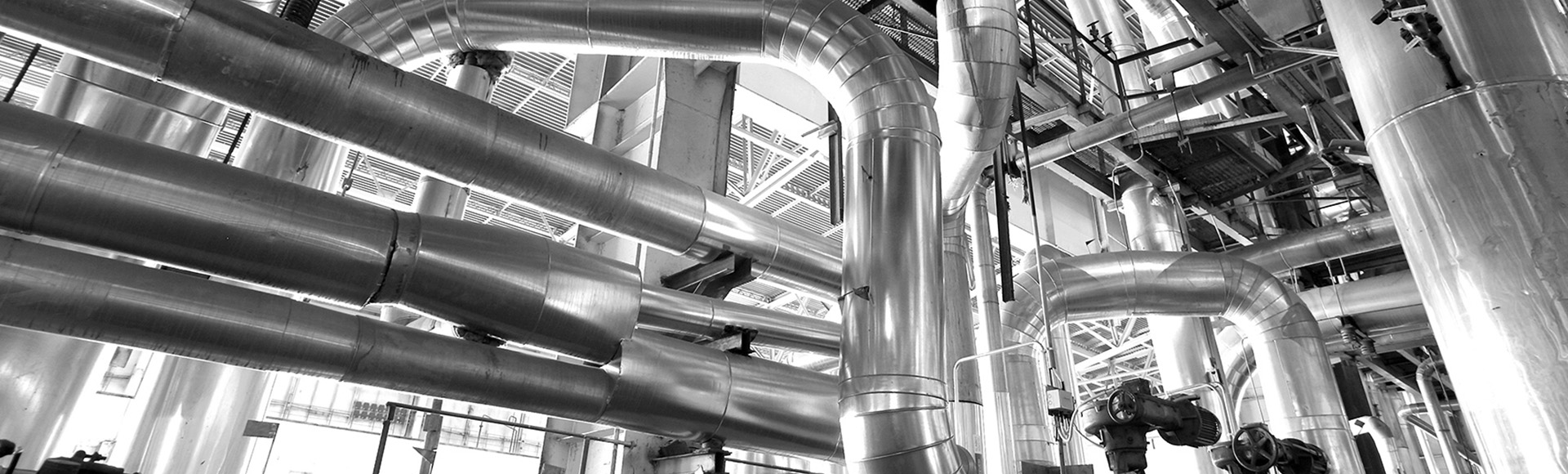
Ventilation and Filtration
Clean Air, Safe Workplaces, Reliable Performance
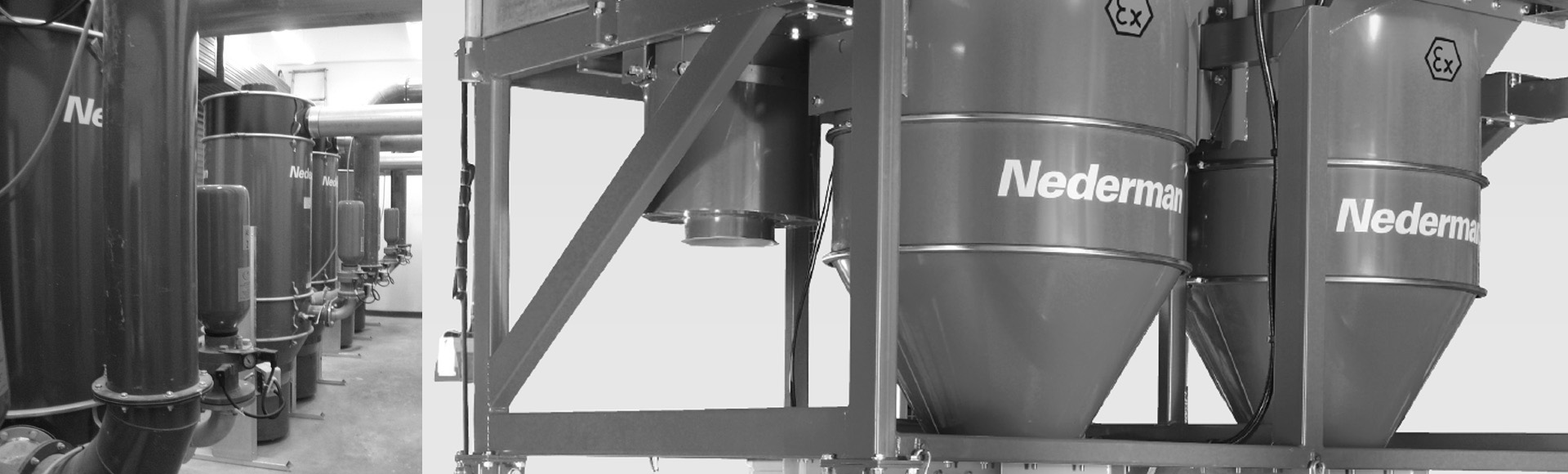
References
The Role of Ventilation & Filtration in Industrial Operations
In every industrial setting, managing airborne contaminants is a cornerstone of safety, productivity, and compliance. Welding, painting, blasting, woodworking, and chemical processing all release dust, fumes, VOCs, and even smoke, which can degrade indoor air quality and endanger workers.
Modern industrial ventilation systems are designed specifically to remove contaminants at emission sources, using a combination of local exhaust ventilation (exhaust hoods, ducts, and fans) and general ventilation or dilution ventilation strategies supported by makeup air and outside air supply.
By integrating industrial filtration, airflow control, and properly designed exhaust systems, these solutions stabilize processes, protect workers, and reduce employee exposure. For operations teams, that means reliability. For procurement managers, it means predictable operating costs, controlled maintenance costs, and full compliance with regulations.
Core Technologies for Clean Air and Compliance
Bag Filters
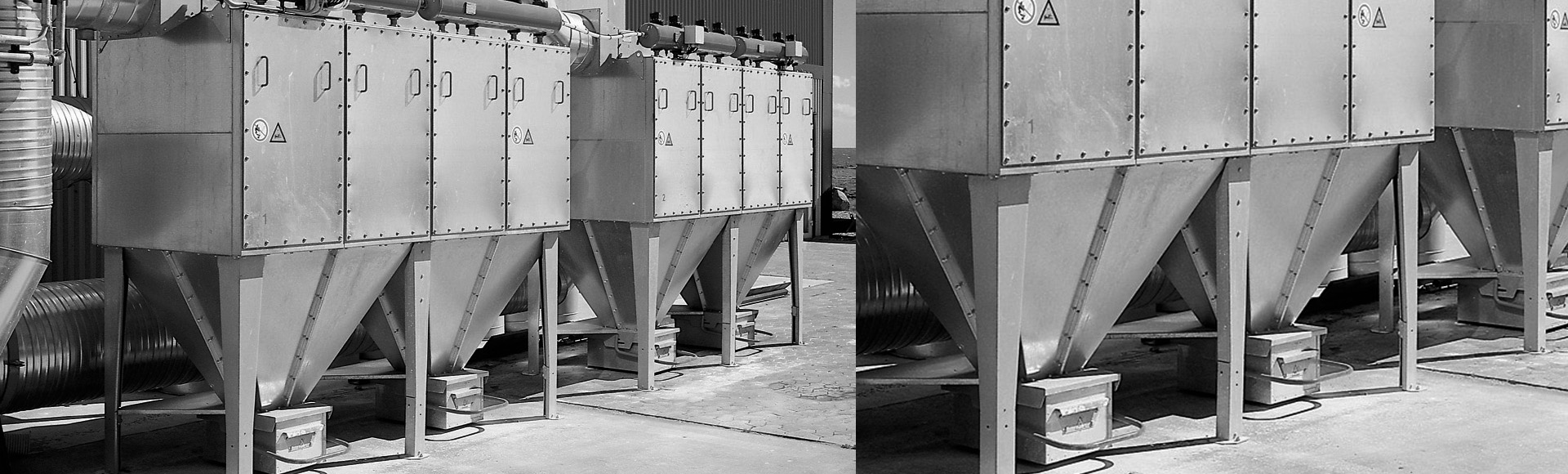
Bag filters are a proven class of industrial filters used in woodworking, cement, chemical, and food industries. They deliver reliable dust collection by maintaining stable flow rate, preventing excessive pressure drop, and ensuring consistent performance. Automated shaker cleaning reduces manual intervention and lowers long-term maintenance.
Fumes and Dust Filters
These systems use air cleaners, local exhaust systems, and exhaust hoods to capture particulates, fumes, and gases directly at emission points. Integrated ducts and filtration media remove particulates before they disperse, helping industries control contaminants released and maintain safer work environments. They are essential for welding, blasting, and other dust-intensive processes.
Portable Fans
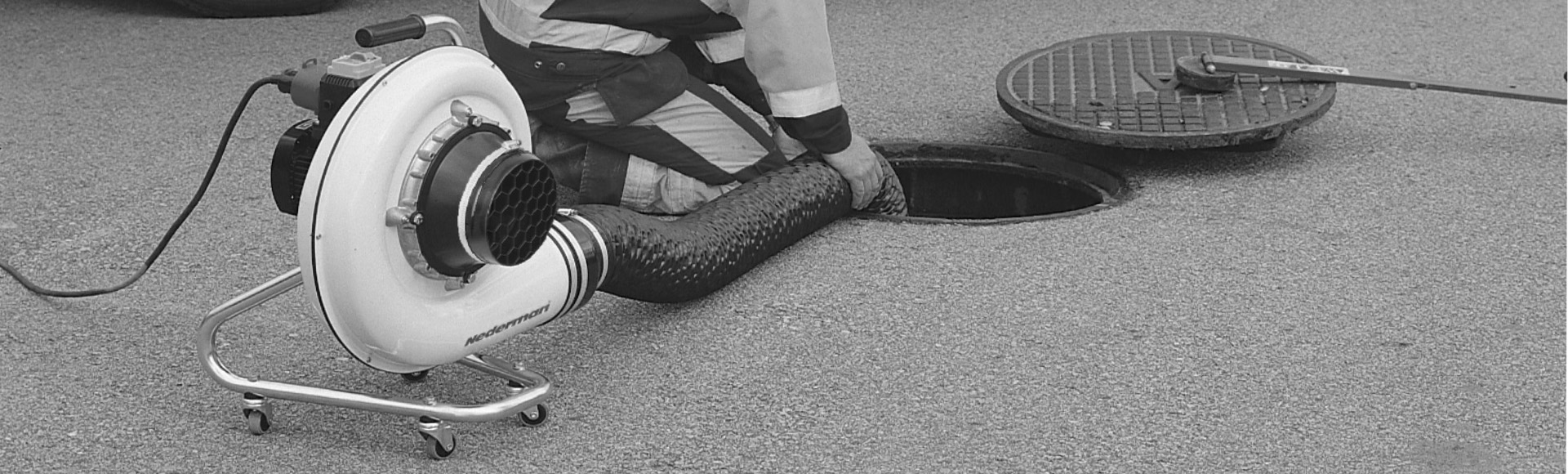
Portable fans ensure high-capacity air movement and reliable extraction of exhaust air in dynamic industrial applications such as shipyards, construction, and emergency stations. Their rugged frames, protective filters, and compatibility with ducts make them ideal for flexible and temporary setups, or as part of turnkey systems.
Ventilation Accessories
Supporting components—Andreae filters, ducts, and galvanized exhaust boxes—optimize the performance of ventilation systems. They increase capture efficiency, control emissions at specific emission sources, and extend the life of large-scale industrial systems. Correct selection requires application expertise to match accessories with each industrial process.
VOC Treatment
VOC treatment systems, such as regenerative oxidizers and activated carbon filters, remove VOCs with >98% efficiency while minimizing carbon dioxide and NOx output. They are designed specifically for painting halls and surface treatment lines, providing energy-efficient and compliant control of air contaminants.
Strategic Benefits for Industry
- Protect Workers: Capture fumes, VOCs, and particulates at the source to reduce employee exposure.
- Operational Continuity: Cleaner work environments lower downtime and extend equipment life.
- Compliance & Sustainability: Meet ATEX, OSHA, and ISO standards while removing contaminants efficiently.
- Cost Efficiency: Reduce operating costs through automated cleaning, controlled energy costs, and reduced downtime.
- Adaptability: Flexible options for local exhaust ventilation, general ventilation, or integrated HVAC systems.
Practical Advice for Selecting the Right System
- Use local exhaust ventilation for welding, cutting, and fume-heavy tasks.
- Apply dilution ventilation with balanced make up air in workshops with mixed contaminants.
- Select bag filters for heavy dust processes; VOC oxidizers or activated carbon filters for emission-heavy lines.
- Follow recommended practice and safety standards when designing exhaust systems and ducts.
- Prevent negative pressure by balancing outside air intake with exhaust volumes.
Ventilation System Maintenance and Repair
Regular maintenance keeps industrial ventilation systems safe and efficient.
- Inspect air intake and exhaust systems for blockages.
- Clean ducts to maintain proper airflow and stable flow rate.
- Replace filters to reduce maintenance costs and improve efficiency.
- Monitor HVAC systems to ensure proper temperature, humidity, and air balance.
Frequent inspections of local exhaust systems ensure contaminants are removed before spreading into the facility. Maintaining adequate outside air and makeup air supply avoids negative pressure and stabilizes system performance.
Key Applications Across Sectors
Blasting / Shot Blasting
Blasting operations release large amounts of dust that must be contained at the source. Bag filters and fumes and dust filters integrated into exhaust systems provide reliable dust collection, safe airflow, and compliance with industrial safety standards.
Benefits: Superior dust capture, reduced employee exposure, safer blasting environments.
Painting, Powder Coating & Surface Treatment
Painting halls and powder coating lines release VOCs and overspray particles that require robust control. VOC treatment systems such as oxidizers and activated carbon filters achieve >98% VOC removal, while ventilation accessories like Andreae filters capture powder with high efficiency. Exhaust boxes built from galvanized steel resist corrosion and maintain durability under harsh conditions.
Benefits: Efficient VOC removal, corrosion resistance, improved indoor air quality.
Metalworking and Welding
Metalworking and welding generate fumes and particulates that must be controlled at the immediate vicinity of the arc or grinding process. Local exhaust systems with ducts, hoods, and fumes and dust filters capture contaminants directly in the worker’s breathing zone, ensuring compliance and protecting workers from hazardous exposure. Advanced units like PAT JET MNX maintain consistent suction with automatic cleaning.
Benefits: Reliable fume extraction, reduced employee exposure, safer welding environments.
Shipyards
Shipbuilding involves confined spaces with limited airflow, making effective ventilation critical. Portable fans such as VE30 MNX deliver high-capacity exhaust air removal (up to 20,000 m³/hr). Equipped with protective filters and designed for crane or forklift handling, they provide flexibility and durability in demanding marine environments.
Benefits: High airflow, rugged design, effective contaminated air removal.
Woodworking
Wood dust generated during crating, framing, and finishing presents both health and combustible dust hazards. Bag filters with automated shaker cleaning and advanced fumes and dust filters provide scalable, monitored solutions for continuous operation. Integrated sensors and controls allow real-time performance tracking to ensure compliance and safe air quality.
Benefits: Cleaner facilities, reduced explosion risk, higher production efficiency.
Cement, Chemical & Food Industry
Bulk material handling in cement, chemical, and food plants generates dust and gas contaminants that require heavy-duty industrial ventilation systems. Bag filters and dust collectors like PAT JET MNX provide large filtration surfaces, robust construction, and compliance with strict emission standards. These systems maintain stable flow rate even under high dust loads.
Benefits: Reliable dust removal, compliance with environmental standards, safe operations.
Vehicle Repair Shops / Fire & Emergency Stations
Enclosed repair shops and fire stations face high risks from diesel exhaust. Mobile fume extractors and local exhaust ventilation systems with ducts and hoods remove contaminants directly from vehicles. Portable fans add flexibility for general ventilation, improving air circulation and reducing build-up.
Benefits: Protect workers from exhaust gases, healthier work environment, lower operating costs.
Other Industries
From ATEX-rated plants to general production halls, industries require combinations of general ventilation, VOC treatment, and industrial filters. These systems remove contaminants from diverse emission sources, stabilize airflow, and optimize energy performance in complex environments.
Benefits: Versatile solutions, improved compliance, long-term sustainability.
Why Ventilation & Filtration Efficiency Matters
Efficient industrial ventilation is a recommended practice across all industrial facilities. By controlling contaminants released at emission sources and maintaining balanced dilution ventilation, industries protect workers, reduce maintenance costs, and lower long-term energy costs. Properly designed systems with make up air prevent negative pressure, stabilize HVAC performance, and ensure regulatory compliance.
Partner with Minex for Tailored Solutions
Minex delivers complete ventilation systems and industrial filters across all industries. From bag filters to VOC treatment and HVAC system integration, our solutions are designed to protect workers, improve indoor air quality, and support long-term industrial efficiency.
Frequently Asked Questions
Processes like welding, blasting, painting, and woodworking release dust, fumes, VOCs, and smoke that threaten worker health and equipment reliability. Proper industrial ventilation and filtration systems remove airborne contaminants at the emission sources, ensuring compliance with safety regulations, improving indoor air quality, and maintaining stable operations in industrial plants.
- Local exhaust ventilation (LEV) captures contaminants directly at the source using exhaust hoods, ducts, and filters—ideal for welding stations, paint booths, or grinding areas in the immediate vicinity of the emission source.
- General ventilation, also known as dilution ventilation, dilutes contaminants by moving air through the workspace using mechanical means or natural airflow, often supported by makeup air and outside air supply. Both basic types of ventilation systems are often combined for maximum efficiency in controlling contaminants released.
Bag filters and dust collection units capture fine particulate matter in cement, woodworking, food, and chemical industrial operations. Automated cleaning maintains a stable flow rate and reduces pressure drop, ensuring effective removal of dust and other air contaminants. These systems help industrial facilities meet strict environmental and workplace safety standards, including ATEX and OSHA regulations.
VOC treatment systems, such as regenerative oxidizers and activated carbon filters, are essential in industries with solvent emissions, including painting halls, powder coating lines, and chemical processes. These systems achieve over 98% VOC removal efficiency while minimizing carbon dioxide and NOx emissions, contributing to improved indoor air quality and regulatory compliance.
Portable fans provide high-capacity air movement and exhaust air removal in confined or dynamic industrial settings. Their rugged design, integrated filters, and compatibility with ducts make them essential for temporary or mobile ventilation setups where fixed industrial ventilation systems are not feasible.
Regular maintenance includes inspecting air intake and exhaust systems for blockages, cleaning or replacing industrial filters, checking airflow balance, and ensuring makeup air supply matches exhaust volumes to prevent negative pressure. Consistent servicing reduces energy costs, extends equipment lifespan, and maintains optimal system performance and worker protection.
Industries with high dust, fumes, or gas emissions—such as metalworking, woodworking, cement, chemical processing, shipbuilding, automotive repair, and food production—rely on advanced industrial filtration and ventilation solutions to protect workers, comply with regulations, and ensure safe and efficient industrial operations.