Vacuum Recovery
Smarter Material Recovery for Safer, More Efficient Industrial Processes
.jpg "Industrial Mobile Electric Vacuum Cleaners")
References
The Role of Vacuum Recovery in Industrial Operations
Material recovery is a critical stage in modern industrial environments, especially in blasting, coating, and surface preparation processes. Leftover abrasive, dust, and debris not only increase cleaning costs but also create safety hazards and reduce operational efficiency. Vacuum recovery systems address these issues directly, ensuring that abrasive materials and residues are safely collected, separated, and—where possible—recycled for reuse.
An industrial vacuum cleaner is a heavy-duty cleaning machine specifically designed for removing industrial waste, debris, and hazardous materials. Its robust construction and advanced safety features make it suitable for demanding industrial and construction environments.
For engineers and operations managers, these systems represent a straightforward way to reduce waste, cut downtime, and maintain compliance with workplace safety regulations. For procurement managers, they also provide long-term cost control by reducing abrasive consumption and minimizing manual cleanup.
Core Technologies for Efficient Material Recovery
Fixed Vacuum Recovery Units
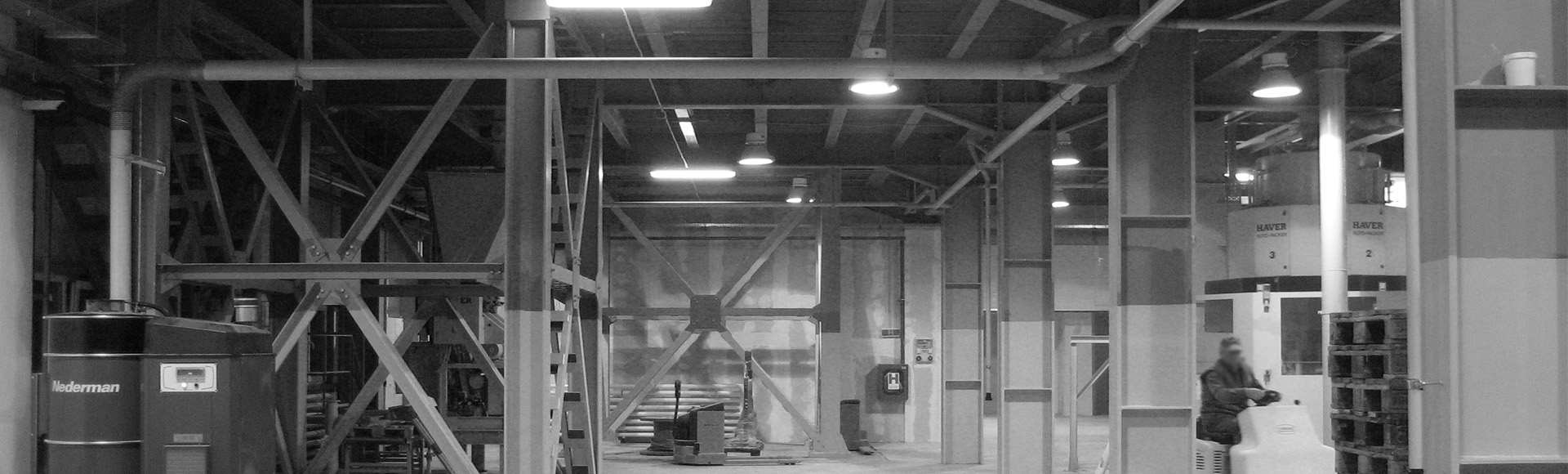
Installed directly into blasting halls or coating facilities, these systems continuously collect and transport used abrasive back to a central hopper or silo. Fixed units are ideal for high-volume, continuous operations, where consistent recovery ensures uninterrupted productivity. They can be equipped with cyclone pre-separators, automatic filter cleaning, and lobe pumps to ensure constant suction and efficiency in demanding blasting environments.
Portable and Mobile Recovery Systems
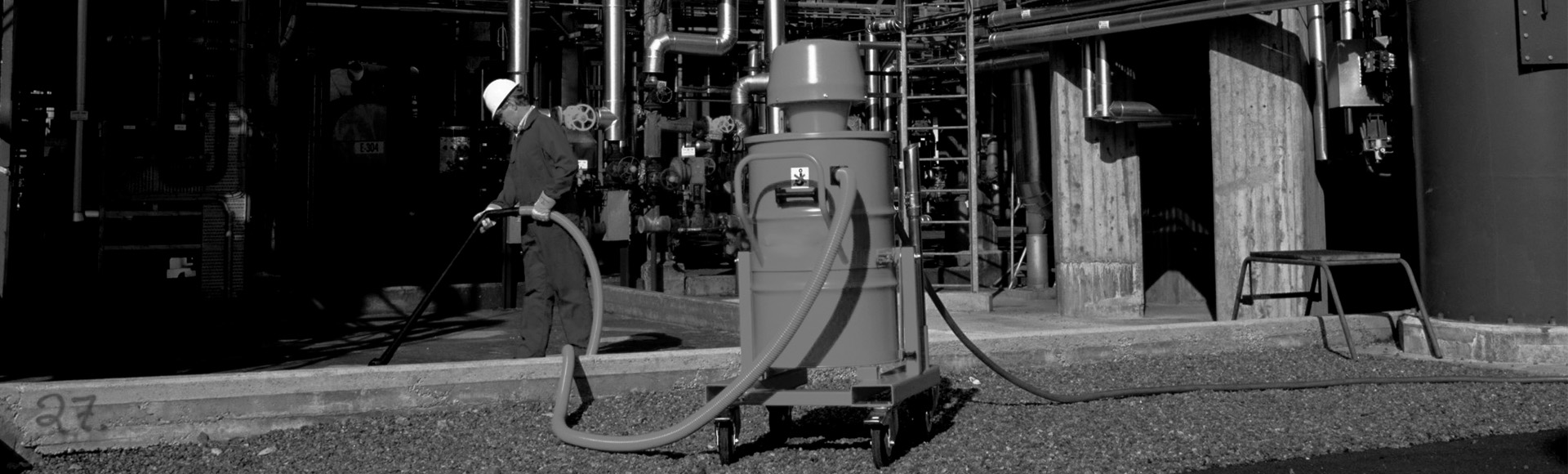
Flexible and easy to relocate, portable vacuum units provide reliable recovery in locations where fixed installations are not practical. These portable units function as industrial vacuum cleaners, designed for heavy-duty debris and material removal. They are particularly suited for shipyards, construction sites, or facilities with variable blasting locations. Many models feature large-diameter wheels, robust frames, and high-efficiency filters that improve mobility, performance, and operator safety.
Centralized Vacuum Recovery Installations
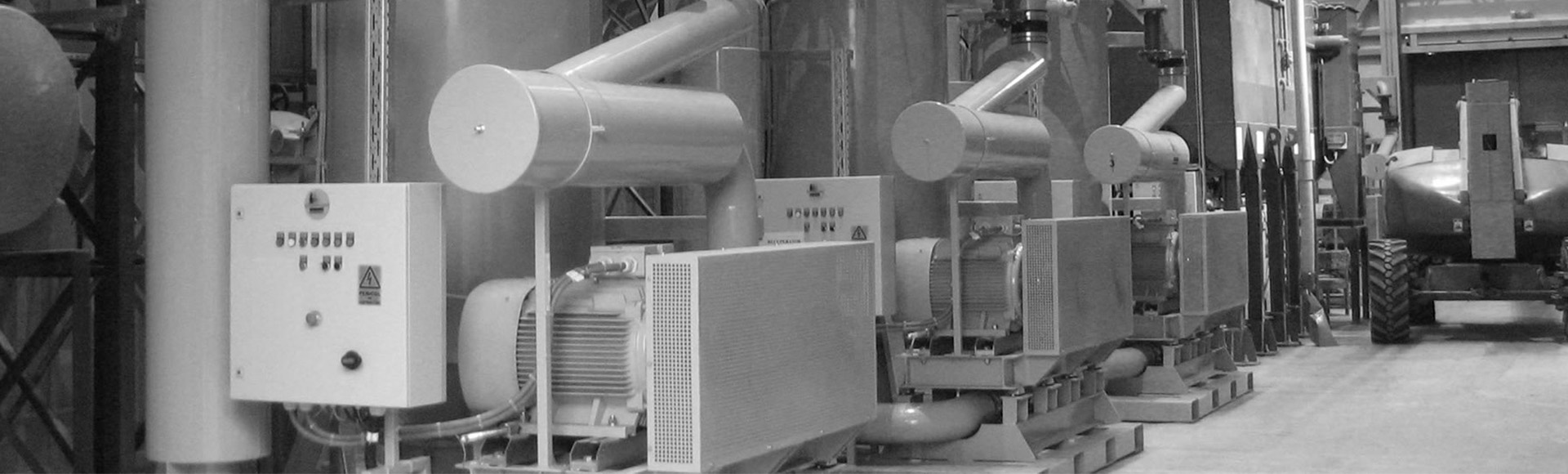
For large-scale industrial sites, centralized systems offer a fully integrated solution, connecting multiple recovery points across production areas. At the core of these systems is a positive-displacement rotary-lobe vacuum pump, which delivers high vacuum power and continuous-duty operation for demanding environments. Equipped with powerful pumps and robust separation systems, they enable high-capacity handling of abrasive materials and dust while maintaining workplace cleanliness. These systems are also adaptable to ATEX zones when combined with compliant filtration technologies.
Types of Industrial Vacuums
Industrial vacuum cleaners come in a wide variety of types, each designed to meet the unique cleaning challenges found in industrial environments. Portable industrial vacuum systems offer flexibility and ease of movement, making them ideal for cleaning multiple locations or hard-to-reach areas. Central vacuum systems, on the other hand, provide a built-in solution for large facilities, ensuring powerful and consistent cleaning performance throughout the workspace.
For specialized applications, there are industrial vacuums engineered to handle hazardous materials, fine dust, or even liquids. The choice of industrial vacuum depends on the type of material to be cleaned, the size of the area, and the specific requirements of the application.
Minex offers both electric and pneumatic mobile units as well as centralized systems, ensuring that customers can choose the right solution for their needs.
Central Vacuum Systems
A central vacuum system is a built-in cleaning solution designed for maximum ease of use and maintenance in industrial settings. By utilizing a centrally located motor, these systems generate powerful suction to efficiently collect dust, debris, and even liquids from across the facility. Central vacuum systems are ideal for large industrial spaces, providing a seamless and effective way to maintain cleanliness and protect valuable equipment.
They are engineered to handle a wide variety of materials, from fine dust to heavier dirt and liquids, and can be equipped with advanced filters to improve air quality throughout the workspace. Central vacuum systems are a long-term investment for plants that require durability, compliance, and high reliability.
Dust Collection Systems
Dust collection systems play a vital role in maintaining air quality and safety in industrial environments. Designed to remove airborne particulate contaminants, these systems use compressed air to drive dust-laden air through high-efficiency filters, capturing dust and ensuring a cleaner workspace. They are essential for meeting clean air standards and protecting workers from harmful exposure.
In Minex solutions, dust collectors are integrated into centralized vacuum recovery systems, ensuring maximum filtration efficiency with PTFE and HEPA cartridges. They are critical for industries such as concrete grinding, surface preparation, blasting, and pharmaceutical cleanrooms, where dust poses operational and safety challenges.
Technical Specifications for Industrial Vacuum Systems
Industrial vacuum systems are available in a range of technical specifications to suit different cleaning tasks and environments. Portable industrial vacuum systems, for example, offer power ratings from 1 HP to 30 HP, making them suitable for everything from light-duty cleaning to heavy-duty industrial applications. High-efficiency PTFE filters provide 99.9% filtration at 1 micron, with up to 50 square feet of surface area to capture fine particles.
A unique vacuum vent valve allows the vacuum producer to vent to the atmosphere, delivering 100% blowback air for superior filter cleaning—without the need to shut off the vacuum. For environments requiring the highest level of filtration, HEPA secondary filter cartridges are available, rated at 99.97% efficiency at 0.3 micron. Many industrial vacuum systems feature interchangeable collection containers, stainless steel construction for durability, and heavy-duty wheels for easy mobility. These technical features ensure that Minex vacuum cleaners deliver reliable, efficient performance even in the most demanding industrial settings.
Strategic Benefits for Industry
- Improved Safety – By removing dust and residues at source, vacuum recovery minimizes the risk of inhalation hazards and reduces the chance of explosive dust atmospheres.
- Operational Efficiency – Clean work areas and rapid recovery of abrasive reduce downtime between blasting cycles. Vacuum recovery systems are engineered to optimize processes over time, ensuring continuous, reliable performance and minimizing maintenance intervals.
- Material Recycling & Cost Savings – Recovered abrasives can often be cleaned, separated, and reused, lowering material consumption and procurement costs.
- Environmental Responsibility – Proper containment and recycling reduce industrial waste and support sustainability goals.
- Compliance – Vacuum recovery supports adherence to workplace safety and environmental standards, avoiding penalties and failed inspections.
Practical Advice for Reliable Use
- Match system capacity to abrasive volume: oversizing wastes investment, undersizing creates bottlenecks.
- Integrate recovery units with abrasive recycling systems for maximum cost efficiency.
- Schedule routine filter and separator maintenance to ensure consistent performance.
- Train staff on correct use to maximize recovery efficiency and minimize manual handling.
- Place an order for the appropriate vacuum recovery system model and necessary accessories to ensure proper setup and optimal operation.
Maintenance and Repair of Vacuum Cleaners
To keep industrial vacuum cleaners operating at peak performance, regular maintenance is essential. This includes cleaning and replacing filters, inspecting and swapping out worn or damaged parts, and lubricating moving components to prevent premature wear. Scheduled servicing of industrial vacuum cleaners helps prevent unexpected downtime and reduces the risk of costly equipment failures.
Customers can click to view our full range of maintenance and repair services, or contact us via email for more information. Minex offers a variety of resources to help you keep your industrial vacuum cleaners in top condition. By following a consistent maintenance schedule, you can protect your investment, extend the life of your equipment, and ensure your vacuum cleaners continue to deliver effective cleaning solutions for years to come.
Key Applications Across Sectors
- Shipbuilding & Offshore – Rapid recovery of abrasive from blasting docks ensures uninterrupted schedules and reduces environmental contamination. The use of heat during pressure washing can enhance cleaning performance, especially for removing stubborn debris.
- Construction & Infrastructure – Portable vacuum units provide flexibility on dynamic job sites. Water flow management is crucial for effective debris and dirt removal during pressure washing operations.
- Manufacturing & Heavy Industry – Fixed systems maintain continuous operation in production halls, ensuring cleanliness and material reuse. Explosion-proof vacuums are designed to operate at specific temperatures to ensure safety in flammable environments.
- Energy & Utilities – Safe removal of abrasive and dust in power plants or pipelines ensures compliance and operator safety.
A couple of additional features, such as advanced filtration or remote monitoring, can further enhance the value of vacuum recovery systems in these sectors.
Why Recovery Efficiency Matters
Material recovery may seem secondary compared to blasting or coating itself, but its impact is significant. Clean workspaces, recycled abrasive, and reduced manual labor all translate into higher profitability and safer working conditions. By implementing the right vacuum recovery system, industries achieve cleaner processes, stronger safety standards, and measurable cost reductions.
When evaluating a vacuum recovery system, it's important to consider whether the price reflects its features, build quality, and long-term value. Buyers should assess if the cost aligns with the system's operational benefits to ensure a worthwhile investment.
Partner with Minex for Tailored Vacuum Solutions
Minex provides engineers, operations teams, and procurement managers with robust, proven vacuum recovery technologies. From portable units for field operations to fully integrated centralized systems, our solutions are designed to match industrial needs for efficiency, safety, and sustainability.
→ Talk to Our Experts
Contact us today for technical advice, application support, or a tailored recovery solution.
Frequently Asked Questions
Vacuum recovery systems efficiently remove abrasive, dust, and debris at the source, maintaining cleaner facilities, reducing downtime, and enhancing worker safety. They also enable recycling of abrasive materials, which lowers operational costs and supports environmental sustainability.
- Fixed vacuum recovery units: Designed for continuous, high-volume use in blasting halls and coating facilities.
- Portable and mobile units: Provide flexible, heavy-duty cleaning solutions for shipyards, construction sites, and variable locations.
- Centralized vacuum installations: Integrated systems for large plants, offering multi-point recovery with powerful suction and high efficiency.
By enabling abrasive material recycling, minimizing manual cleanup time, and prolonging filter and equipment lifespan, vacuum recovery systems significantly lower material consumption, labor expenses, and maintenance downtime.
Industries such as shipbuilding, offshore, construction, manufacturing, heavy industry, and energy sectors gain the most, especially where blasting, coating, or surface preparation generates dust, dirt, and debris.
These systems reduce inhalation hazards, prevent explosive dust atmospheres, and help maintain compliance with workplace safety and environmental regulations, ensuring a safer industrial environment.
Selection should be based on abrasive volume, process requirements, mobility needs, and compliance standards (including ATEX zones). Properly matching system capacity to operational scale maximizes efficiency, safety, and return on investment.