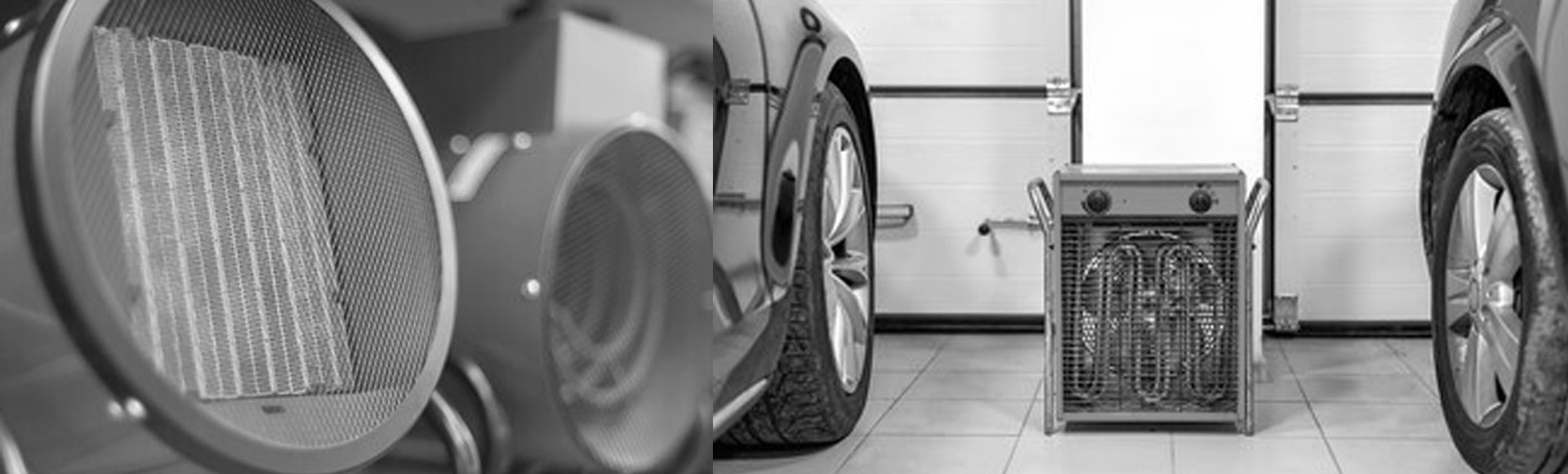
Industrial Electric Heaters
References
How to Select the Right Industrial Electric Heater for Demanding Environments
Selecting an industrial electric heater is a technical decision with long-term consequences. In professional environments, heating influences safety, productivity, process stability, and operating costs. A poorly matched heater may appear functional at first, yet gradually introduce inefficiencies, operational risk, and unnecessary expense. Getting the selection right from the outset is therefore critical to reliable performance and cost control.
This guide supports engineers, operations managers, and procurement teams in making well-informed choices when specifying electric heating solutions for industrial and temporary environments. It explains how to translate space characteristics, electrical availability, and operational requirements into the appropriate heater configuration. For complex or high-demand applications, expert validation can help confirm sizing and suitability, ensuring the selected solution performs as intended over the long term.
From Space Conditions to Heating Requirements
Every sizing decision starts with the space itself: the air volume (m³), insulation level, and the routes where energy escapes—through doors, structures, and ventilation openings. Requirements differ widely between compact rooms, workshops, open halls, warehouses, and temporary structures because each setting loses energy at a different rate.
That’s why the output of an industrial electric heater should be matched to the size and conditions of the area. A 1500W unit can be enough for a small room, while larger rooms and open spaces typically need higher-capacity equipment to maintain stable conditions efficiently.
As a practical engineering reference, insulated buildings usually need about 40 watts per cubic meter (W/m³), while uninsulated or temporary structures often require around 60 W/m³ to compensate for continuous loss. These values provide a reliable baseline for estimating the required kilowatt capacity.
They are not rigid formulas, but starting points. The final requirement depends on how quickly the target temperature must be reached, how stable it must remain, and how much loss occurs during normal operation.
Heating Output Is Only the Beginning
Kilowatt output indicates how much thermal energy a unit can produce, but it does not describe how that energy behaves once it enters the space. What determines the real-world result is airflow.
Units with higher airflow spread warmth evenly across large volumes, helping stabilize conditions and minimise cold zones. Models designed with lower airflow and higher outlet temperatures, by contrast, concentrate energy into a smaller air stream, making them better suited for tasks such as drying, curing, or rapid temperature increase where intensity matters more than coverage.
This relationship between airflow and temperature rise is critical. Two units with the same power rating can perform very differently depending on how energy is delivered. When airflow and outlet temperature are correctly matched to the application, the result is faster warm-up, more consistent conditions, and improved energy efficiency.
Electrical Supply: The Practical Limitation That Must Be Respected
In industrial environments, electrical infrastructure often determines what is feasible long before performance is considered.
Smaller electric heaters can operate on standard 230V single-phase power, which is widely available and easy to deploy. As heating demand increases, however, three-phase 400V connections become essential. Higher-capacity heaters draw substantial current and require appropriate cabling, protection, and planning. The output capacity of an industrial electric heater is typically measured in kilowatts (kW) or BTUs per hour, indicating how much heat the unit can deliver within a specific timeframe.
Ignoring electrical constraints at the selection stage frequently leads to installation delays or heaters that cannot be operated safely. Confirming voltage, phase availability, and amperage capacity early in the decision process is essential for a smooth and reliable installation.
Deployment, Mobility, and Operational Safety
Industrial heaters are part of the working environment, not isolated technical components. Their physical design directly affects how easily they can be positioned, moved, and integrated into daily operations.
Portable heaters provide flexibility in changing or temporary environments, while large frame-mounted units are intended for planned placement and mechanical handling. Size and weight influence logistics, storage, and installation effort, particularly in industrial settings where access may be limited.
Safety is equally critical. Features such as double-walled housings, cool-touch surfaces, and integrated overheat protection are essential when heaters operate near personnel, materials, or in enclosed spaces. It is important to select industrial electric heaters that comply with relevant safety standards and regulations to ensure legal compliance and prevent hazards. A heater that delivers sufficient heat but compromises safety introduces unacceptable operational risk.
Understanding Heater Design Philosophies
Industrial electric heater product lines are developed around distinct technical priorities, each suited to a specific type of task and operating environment.
Compact models focus on flexibility and efficient use of space. They combine moderate temperature rise with controlled airflow, making them well suited for everyday industrial applications where reliability, mobility, and easy integration matter.
High-temperature models are designed to deliver elevated outlet temperatures while keeping external surfaces safe through double-walled construction. This approach makes them particularly effective for drying, moisture removal, and process-oriented tasks where heat intensity is more critical than air volume.
High-capacity units are engineered for scale. Their design prioritizes total output and airflow to serve very large volumes, with mobility taking a secondary role. Operation assumes appropriate infrastructure, power supply, and mechanical handling are already in place.
Understanding these design approaches helps narrow down suitable options logically, rather than relying solely on headline specifications.
Aligning Heater Characteristics with Operational Needs
The objective when selecting an industrial electric heater is not to choose the most powerful unit, but the one that best aligns with operational priorities. Choosing the right heater for the specific job or application is essential to ensure efficiency, safety, and cost-effectiveness.
Some environments require clean, indirect heat delivered precisely to a defined area. Others depend on continuous, evenly distributed warmth to stabilize conditions across large spaces. Temporary or rugged environments benefit from heaters that combine durability with fast heat delivery, while large-scale operations require high output supported by robust electrical and logistical infrastructure.
Successful selection balances heating performance, electrical feasibility, safety, and practical deployment—ensuring the heater supports the operation rather than becoming a limitation.
Applications of Industrial Electric Heaters
Industrial electric heaters are designed to perform reliably in a wide range of demanding environments, which makes them essential across many industries. Their versatility allows them to support temperature control in manufacturing plants, warehouses, factories, and large industrial facilities, as well as in commercial spaces such as offices, workshops, and retail areas.
In industrial buildings, these systems often form part of HVAC installations, where warm air is distributed throughout the facility to maintain consistent indoor conditions. Stable temperatures contribute directly to employee comfort and productivity, while efficient heat delivery helps control energy use and operating costs. This is particularly important in large spaces or in buildings with limited insulation, where maintaining steady conditions can otherwise be challenging.
Beyond comfort heating, industrial electric heaters are widely used in process-related applications. Manufacturing operations rely on precise and consistent temperatures for activities such as plastic molding, metal processing, and food production. In these settings, reliable thermal control supports product quality and process stability, while energy-efficient operation helps limit consumption and ongoing costs. These systems are also commonly used for freeze protection, safeguarding equipment, pipelines, and storage areas during cold periods.
In commercial environments, electric heaters are valued for their ability to deliver warmth quickly and evenly. They can supplement existing systems or target specific zones that require additional temperature support, ensuring comfortable conditions for both employees and customers without overheating unused areas.
Portable units add another layer of flexibility. They are well suited for temporary requirements, emergency situations, or locations where permanent installation is impractical. Their mobility allows facilities to respond quickly to changing conditions, whether driven by short-term projects, seasonal demand, or unexpected cold weather.
The benefits of industrial electric heaters extend beyond temperature control alone. They are engineered for energy efficiency, low maintenance requirements, and high safety standards, supporting reliable operation over a long service life. By selecting the appropriate type and capacity—and validating choices when conditions are complex—organizations can optimize performance, reduce energy consumption, and manage operating costs effectively.
Overall, industrial electric heaters provide a dependable solution for a broad range of applications, from maintaining stable conditions in large production facilities to delivering targeted warmth in commercial spaces and protecting critical systems from freezing. Their combination of efficiency, safety, and adaptability makes them a practical investment for industrial and commercial environments focused on long-term performance and cost control.
Electric Heater Overview
Below is an overview of our industrial electric heater products, showcasing a variety of solutions designed to meet different industrial heating needs.
| Heater Series | Power Range | Airflow Capacity | Electrical Supply | Typical Strength |
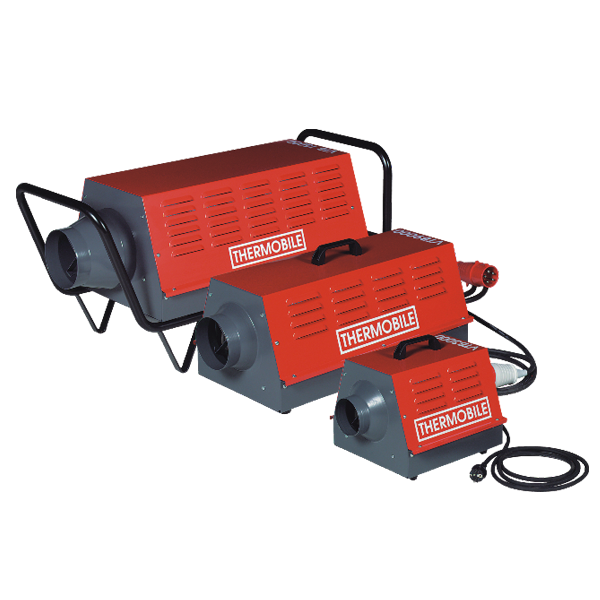
| BX Series | 3–30 kW | 220–2,200 m³/h | 230V / 400V | Compact, flexible heating with higher airflow for small to medium spaces |
| VTB Series | 3–18 kW | up to 1,000 m³/h | 230V / 400V | High temperature rise with enhanced safety for drying and process heating |
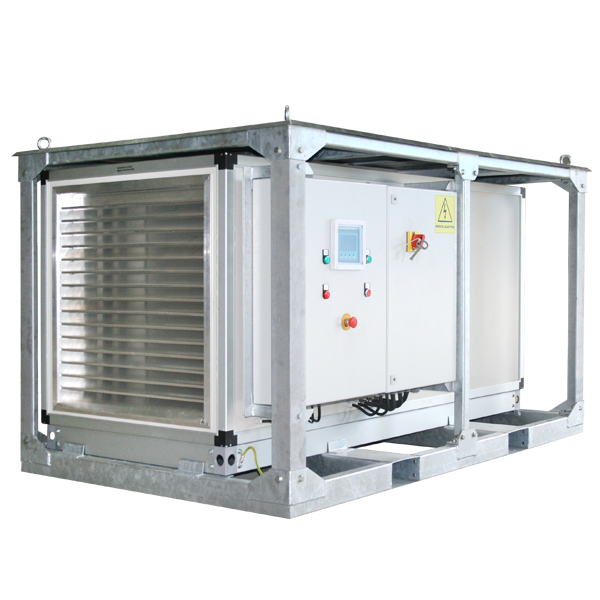
| IE 7200 | 90 kW | 7,200 m³/h | 400V | High-capacity heating for very large volumes |
Types of Electric Heaters
Industrial and commercial spaces require different approaches to heating, and electric heaters are available in several functional types.
Convection heaters warm the surrounding air, which then circulates naturally through the space. They are effective for maintaining stable temperatures in enclosed rooms, workshops, and production areas.
Radiant heaters deliver heat directly to objects and people rather than heating the air itself. This makes them suitable for spot heating in large or drafty environments where heating the full air volume would be inefficient.
Fan-forced heaters combine heating elements with fans to distribute warm air quickly and evenly. They are particularly effective in large spaces where rapid temperature increase and air movement are required. Large fan-driven unit heaters can heat a space effectively by circulating high volumes of air, ensuring the entire area warms quickly even if the outlet temperature is lower.
Each type addresses specific industrial heating needs, ensuring that spaces of different sizes and layouts can be heated efficiently.
Energy-Efficient Heating Solutions
Energy efficiency is a priority for industrial facilities seeking to control operating costs and reduce environmental impact. Modern electric heaters incorporate advanced features that optimize energy use, delivering effective heating while minimizing unnecessary power consumption.
Technologies such as precision thermostats, improved insulation, and targeted heat delivery ensure energy is used only where needed. These features help reduce energy bills while maintaining consistent working conditions.
When selecting energy-efficient industrial electric heaters, it is important to consider the total price of ownership, including not only the initial purchase price but also ongoing energy costs, maintenance, and potential downtime. Choosing energy-efficient electric heaters supports both operational efficiency and sustainability objectives, without compromising heating performance.
Reducing Environmental Impact
Industrial heating systems can contribute significantly to overall energy consumption. Selecting efficient electric heaters helps reduce emissions and supports compliance with environmental regulations. The market for industrial electric heaters is experiencing growing demand for energy-efficient and regulation-compliant solutions, as businesses seek to meet stricter standards and lower operational costs.
Integrating renewable energy sources, such as solar power, where available, can further reduce environmental impact. Regular maintenance also plays a key role, as well-maintained heaters operate more efficiently and last longer, reducing waste and unnecessary energy use.
Sustainable heating choices benefit both the environment and long-term operational costs.
Maintenance and Troubleshooting
Routine maintenance is essential for safe and reliable heater operation. This includes keeping heaters clean, ensuring airflow paths remain unobstructed, and regularly checking electrical connections.
When issues arise, basic checks such as power supply verification and thermostat settings should be addressed first. More complex faults should be handled by qualified technicians to ensure safety and prevent damage.
Proactive maintenance reduces downtime, extends equipment life, and supports safe industrial operations. With regular care, industrial electric heaters can deliver efficient performance and reliability for many years.
When Expert Guidance Makes the Difference
Even with clear technical data, heater selection involves trade-offs. Power, airflow, electrical capacity, safety features, and deployment conditions must align for a solution to work effectively over time.
Experienced technical consultation helps validate sizing, configuration, and suitability before investment and installation. A well-selected heater operates reliably in the background. A poorly selected one becomes a recurring operational problem.
If you are evaluating electric heating solutions and want confidence in your choice, technical guidance can help ensure long-term performance and operational stability. If you have any questions about industrial electric heaters, feel free to reach out for expert advice and support.
Frequently Asked Questions
Start with the space volume in m³ (length × width × height). As a reliable baseline, use 40 W/m³ for insulated buildings and 60 W/m³ for uninsulated or temporary structures. Then adjust based on real conditions: frequent door openings, strong ventilation, high ceilings, or cold product inflow will all push the requirement upward. If you are close to the limit of a unit’s range, it is usually safer to validate the result with a short on-site assessment rather than guessing.
It depends on the result you need. Higher airflow is what helps you achieve uniform conditions across a large volume—reducing cold pockets and temperature layering. Higher outlet temperature is what helps you deliver intense, process-oriented heat where speed matters, such as drying or curing. If your priority is “stable working temperature everywhere,” airflow tends to win. If your priority is “fast impact on a specific task,” outlet temperature tends to win.
Insulation determines how much heat stays inside. Air leakage determines how much heat you keep paying to replace. Even a well-insulated building can behave like an uninsulated one if loading doors are open often or if the structure is drafty. In those cases, the baseline rule still helps you start, but the practical decision is whether you need additional output or a different heat-delivery strategy (more circulation, better placement, or multiple units) to keep conditions stable.
The common oversight is checking “voltage” but not checking phase and available amperage. Smaller configurations can run on standard supplies, while higher-capacity operation typically requires 400V three-phase and sufficient current capacity. With the IE 7200, the electrical requirement is inherently industrial-grade: plan the connection, protection, and cable sizing early, because power availability can become the real project bottleneck even when the heater itself is the right choice.
Choose BX or VTB when you’re heating small-to-medium spaces, when the heater must remain easy to deploy, or when flexibility matters. Choose IE 7200 when the space is so large that you need very high total output and very high airflow to overcome losses and achieve meaningful impact. In other words, BX/VTB typically solve “everyday industrial heating problems,” while IE 7200 solves “scale problems.”
Think in operational time, not just specs. If the heater will be repositioned often, moved between zones, or used for shifting priorities, portable solutions reduce friction and setup time. Frame-mounted high-capacity units are the opposite: they reward planned placement and stable infrastructure. If your environment changes daily, portability usually beats maximum output. If your environment is stable and large, planned placement usually beats frequent moving.
In industrial reality, you want safety that prevents both accidents and downtime. Overheat protection is essential for unattended or long runs. Cool-touch / double-walled construction becomes crucial when people work nearby or when the heater sits in tight areas where accidental contact is likely—especially in high-temperature applications. A heater that performs well but increases burn risk, material damage risk, or shutdown risk is rarely a good operational choice.
Most temperature complaints come from airflow behavior, not from insufficient kW. Large volumes need circulation patterns that mix warm air and prevent stratification. This is why placement matters: give the unit space to breathe, avoid blocking intake or discharge, and aim airflow to support circulation rather than blowing into a dead end. For difficult layouts, multiple smaller heaters placed strategically often create better uniformity than a single unit pushing hard from one corner.
BX is typically chosen when you want balanced heating with higher airflow for distribution. VTB is chosen when you want higher outlet temperature for process intensity, and it intentionally trades airflow for that temperature rise. Practically speaking, if the job is “raise the overall temperature evenly,” BX often fits better. If the job is “apply concentrated heat to drive drying/cure performance,” VTB is usually the more purpose-built approach—especially since its airflow tops out at up to 1,000 m³/h, reflecting that design priority.