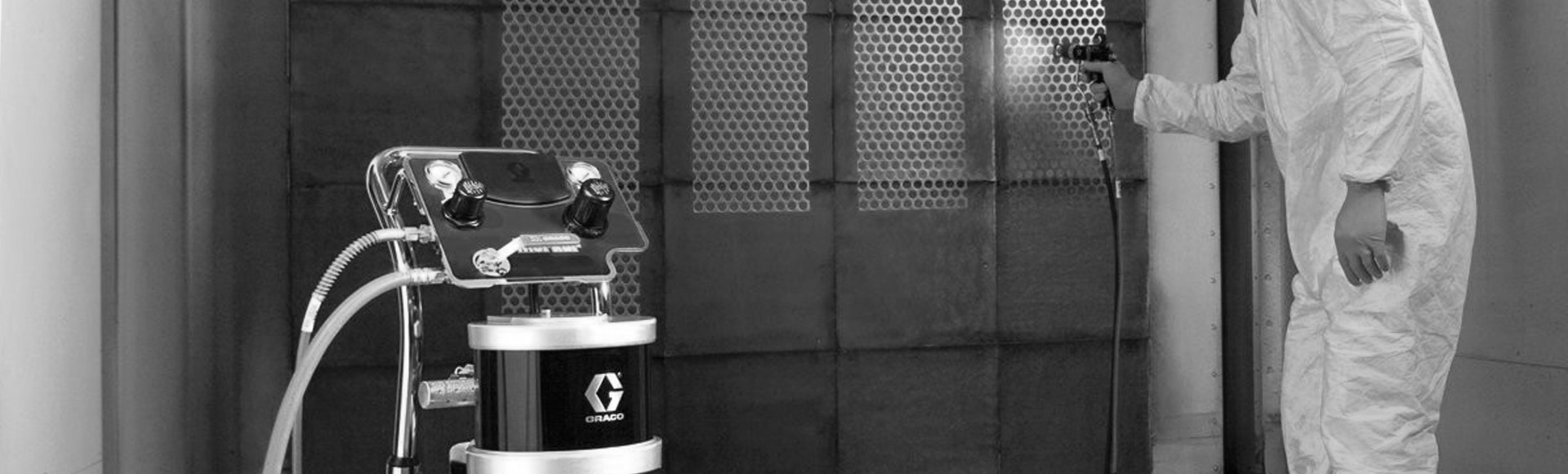
Pneumatic Painting Pumps
References
How to Choose the Right Pneumatic Painting Pumps
Choosing a pneumatic painting pump is not about selecting the most powerful or most popular model. It is about selecting a pump that behaves predictably under your real operating conditions—day after day, coating after coating.
When a pneumatic pump is poorly matched to the application, problems appear quickly: unstable spray patterns, visible finish defects, excessive solvent usage, air-motor icing, or premature wear. These issues are rarely caused by defective equipment. In almost every case, they result from a misalignment between the pump design and the application purpose.
This guide explains how to choose the right pneumatic painting pump by starting with the coating scope, translating it into technical requirements, and then mapping those to suitable pump solutions. Be sure to review the details of each pump's technical specifications and features to ensure the best match for your application.
What Is a Pneumatic Painting Pump?
A pneumatic painting pump is an air-powered device used to transfer and pressurize coating materials for spray application. It converts compressed air into fluid pressure and flow, making it suitable for a wide range of industrial coating processes—from precision finishing to heavy-duty corrosion protection. Pneumatic painting pumps are often paired with sprayers and various accessories, such as hoses and guns, to achieve optimal application results.
Pneumatic pumps are widely used because they are:
- Robust and reliable
- Suitable for hazardous environments
- Compatible with many coating chemistries
- Easy to maintain compared to electric alternatives
However, different pneumatic pump designs behave very differently in real applications.
Start With the Application Objective, Not the Pump Brand
The most reliable way to select a pneumatic pump is to answer one foundational question:
What must this coating process optimize above all else?
Across industrial environments, four dominant objectives appear repeatedly:
- Flawless surface finish and material control
- Smooth flow for decorative and visible coatings
- High output and reliability in demanding applications and on-site conditions requiring pumps capable of reliable, high-quality performance in challenging environments
- Extreme pressure and durability for heavy protective coatings
Each objective leads naturally to a different pump category. Trying to cover multiple conflicting objectives with a single pump usually leads to compromise and inefficiency.
The Key Variables That Define Pneumatic Pump Selection
Finish Quality Versus Material Output
If the coating is visually critical, even minor pulsation or flow instability can cause defects. In these applications, smooth material delivery is more important than maximum output. Pumps designed for these applications provide consistent, high quality finishes by minimizing pulsation and flow instability.
If the coating is primarily protective, thickness, pressure, and volume matter more than surface finesse. These coatings require pumps capable of delivering high pressure and high flow consistently.
Understanding where your application sits on this spectrum is essential.
Material Composition: Waterborne or Solvent-Based
Waterborne coatings—especially when combined with electrostatic spraying—introduce electrical conductivity into the process. In these cases, pumps must provide material isolation to prevent voltage leakage, safety risks, and efficiency losses.
Solvent-based coatings do not typically require electrical isolation, but they place higher demands on flushing efficiency, seal compatibility, and solvent consumption.
Environmental Conditions and Reliability
Pneumatic pumps behave differently indoors than they do outdoors. In cold or humid environments, expanding compressed air can freeze moisture inside the motor, causing pump stalling.
Applications that run outdoors, in unheated facilities, or under continuous high load require pumps designed specifically to resist air-motor icing and allow fast on-site servicing, and these pumps are built to outlast standard models in demanding conditions.
Maintenance and Cost of Ownership
A pump that performs well but is difficult to clean, slow to flush, or expensive to maintain can quietly increase operating costs. In environments with frequent color changes, pump designs that minimize solvent use and simplify cleaning directly improve productivity and cost control, helping to save both time and resources over the pump's lifetime.
Translating Objectives Into the Right Pump Category
Precision and Material Isolation for Sensitive Coatings
When using waterborne coatings or electrostatic systems, material compatibility and electrical safety become critical. Pumps in this category are designed to isolate conductive coatings while maintaining stable flow and consistent finish quality, and are also highly efficient in handling sensitive coatings.
These systems are common in automotive and vehicle production environments, where regulatory compliance, operator safety, and visual quality must all be maintained simultaneously.
Low-Pulsation Pumps for Decorative Finishes
In applications where the coating is visible to the end customer, pulsation can translate directly into surface defects. Low-pulsation pump designs reduce these risks by delivering smoother, more uniform material flow.
These pumps are typically used in controlled manufacturing environments where repeatable appearance is a quality requirement, and operators benefit from the ease with which smooth, uniform finishes can be achieved.
Rugged High-Flow Pumps for On-Site Work
Large structures, long hose lengths, multiple operators, and exposure to weather demand pumps that prioritize reliability over finesse. These pumps are engineered to maintain flow and pressure in harsh environments, with features that reduce icing and simplify maintenance. Wall mount options are available for convenient installation in tight or mobile workspaces.
They are commonly used in contractor services, architectural coatings, and infrastructure projects, and are ideal for demanding on-site applications where reliability and performance are critical.
High-Pressure Pumps for Heavy Protective Coatings
Heavy-duty coatings such as corrosion-control epoxies require very high pressure to atomize properly. Pumps in this category are designed to deliver maximum pressure and output continuously, even with thick, abrasive materials. These pneumatic painting pumps outperform other pumps in their category when it comes to handling thick, abrasive materials and maintaining continuous high output.
They are widely used in heavy equipment manufacturing, agriculture, and construction machinery.
Pneumatic Painting Pumps Available at Minex
Minex offers a wide range of pneumatic painting pump products and maintains a robust supply to ensure quick availability for your projects. To assist you in making an informed decision, please review the details in the table below to find the best match for your needs.
| Product Name | Operation | Technology | Best Fit / Objective | Typical Use Case |
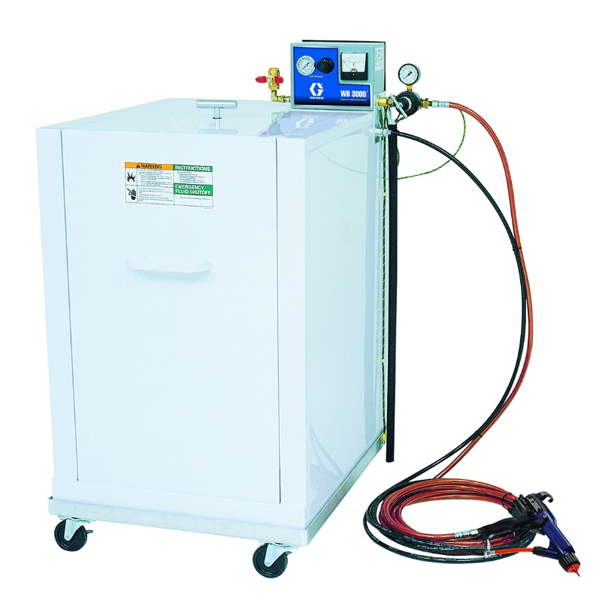
| WB 100 | Pneumatic | Waterborne material isolation | Electrostatic application of waterborne coatings with maximum safety and efficiency | Automotive and vehicle production |
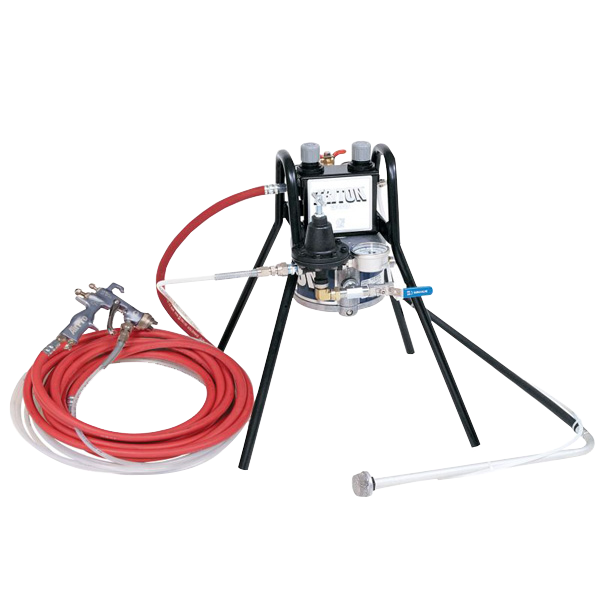
| Triton | Pneumatic | Diaphragm, low-pulsation | Smooth, decorative finishes with stable spray patterns | Fabricated metal, furniture, visible components |
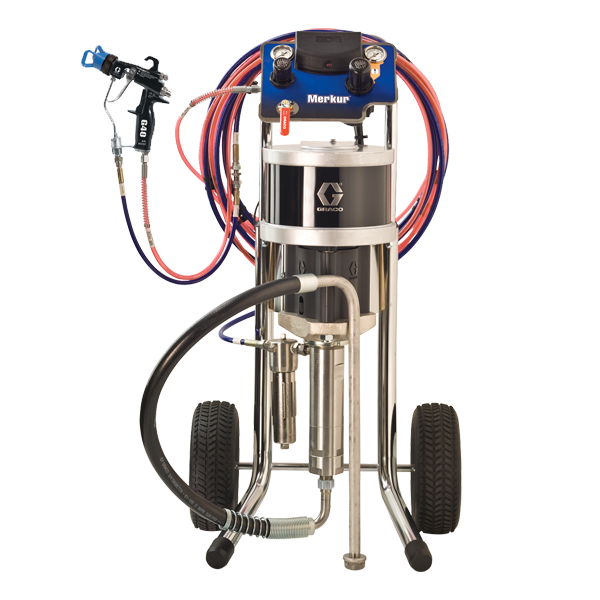
| Merkur | Pneumatic | High-efficiency piston | Consistent finish quality with low solvent usage | Industrial manufacturing, wood and metal finishing |
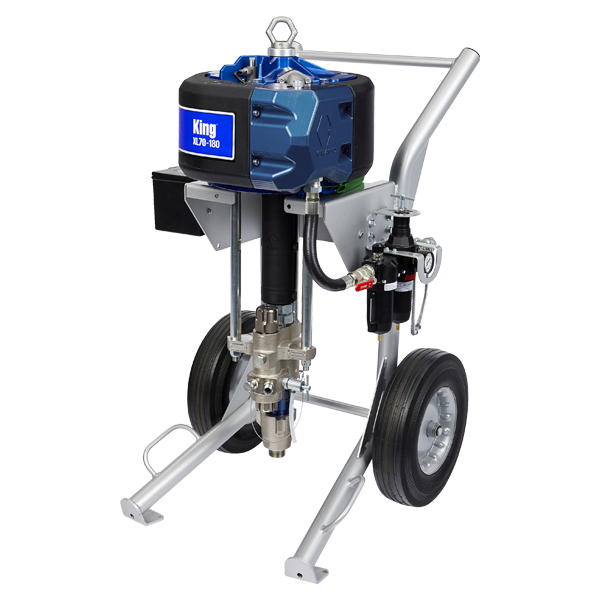
| King | Pneumatic | High-pressure piston | Maximum pressure and output for heavy protective coatings | Corrosion control, infrastructure, heavy equipment |
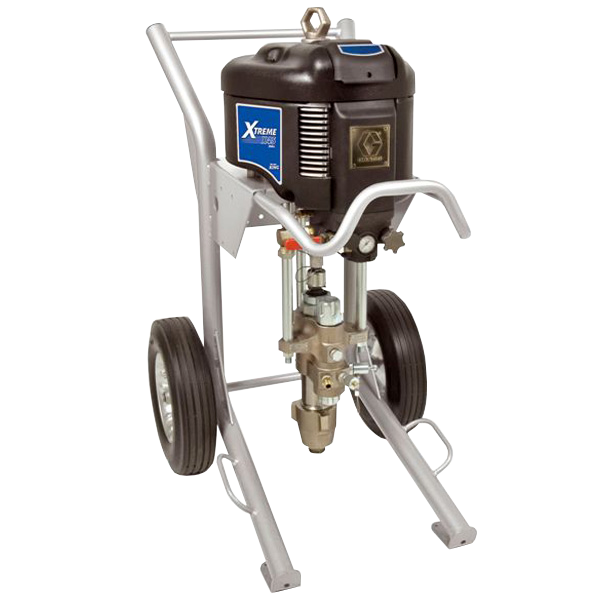
| Xtreme NXT | Pneumatic | Advanced air motor with de-ice control | Long service life and reliability in harsh environments | Contractors, marine, outdoor applications |
To benefit from localized expertise and continuous support, please contact the Minex distributor office responsible for your region within Minex’s authorized coverage area. To find a distributor for local sales and service support in your area, visit the Minex website or use our contact information for assistance. Working with a distributor offering local sales and service ensures you receive accessible, personalized help for purchasing, after-sales support, and ongoing maintenance of your pneumatic painting pumps. You can also check for current promotions to take advantage of special offers on pneumatic painting pumps and supporting solutions, helping you achieve high quality finishes and the best results for your application.
Choose the Pump That Matches Your Reality
The best pneumatic painting pump is not the most powerful or the most versatile option available. It is the pump designed to align with your coatings, material characteristics, operating environment, and production objectives.
When the pump matches the reality of the application, high quality finishes are easier to achieve, downtime is reduced, and overall productivity becomes more predictable and efficient.
Valdiate Your Pump Selection
If you want to validate your pump selection or discuss your specific application in more detail, Minex specialists can provide the sales and service support you need to choose the right solution.
Contact Minex to review your coatings, material requirements, and operating conditions, explore available products and accessories, and ensure your pneumatic painting pumps are configured to deliver efficient performance and reliable results from day one.
Frequently Asked Questions
Start by identifying your primary objective: achieving high quality finishes, ensuring material compatibility, maximizing output, or prioritizing durability for demanding applications. Once this objective is clear, choose the category of pneumatic painting pumps designed to provide consistent results and efficient performance for that specific requirement.
Pneumatic painting pumps designed for material isolation are best suited for waterborne coatings, particularly in electrostatic applications. These pumps help provide consistent performance, protect electrical safety, and support efficient use of coatings and material, delivering reliable results over time.
Air-motor icing occurs when compressed air expands rapidly, cooling moisture inside the pump motor. This can lead to stalling and unplanned downtime, especially in cold or outdoor environments. Pneumatic painting pumps designed for demanding applications often include de-icing features to maintain efficient operation and reduce downtime.
No. High pressure is essential for applying thick protective coatings, but it is unnecessary—and sometimes counterproductive—for decorative finishes. In applications where appearance matters, smooth material flow and stable delivery are more important than maximum pressure to achieve the best results.
In practice, no. Pneumatic painting pumps designed for precision finishing differ significantly from other pumps built for heavy-duty protective coatings. Choosing a pump that matches the dominant application objective helps improve productivity, reduce downtime, and deliver consistent results over time.