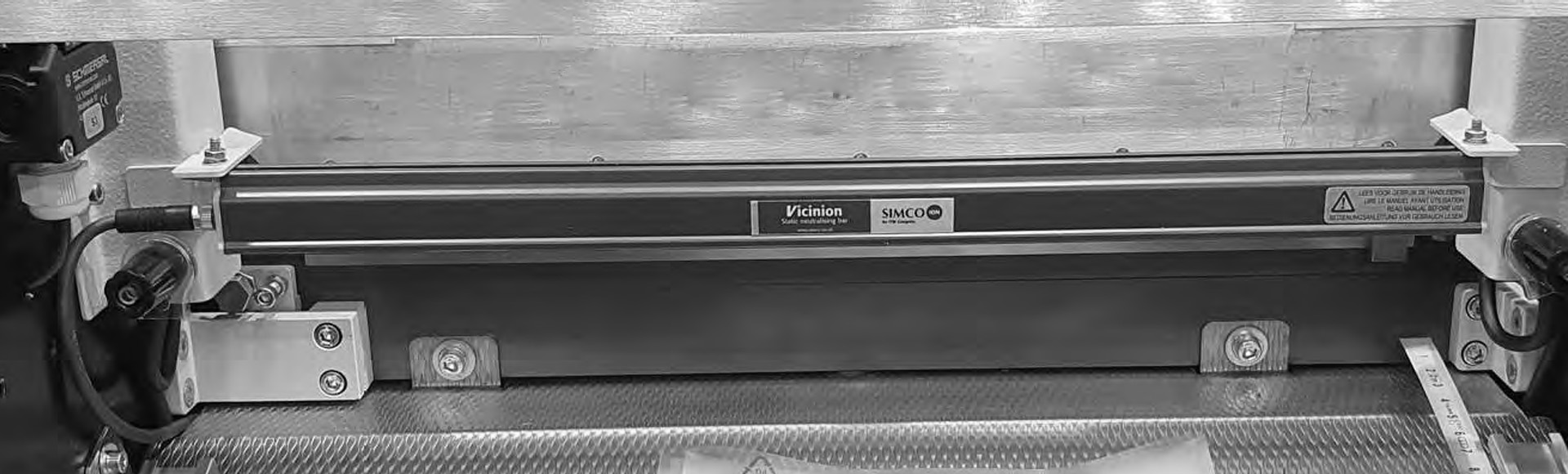
Neutralization of Static Electricity
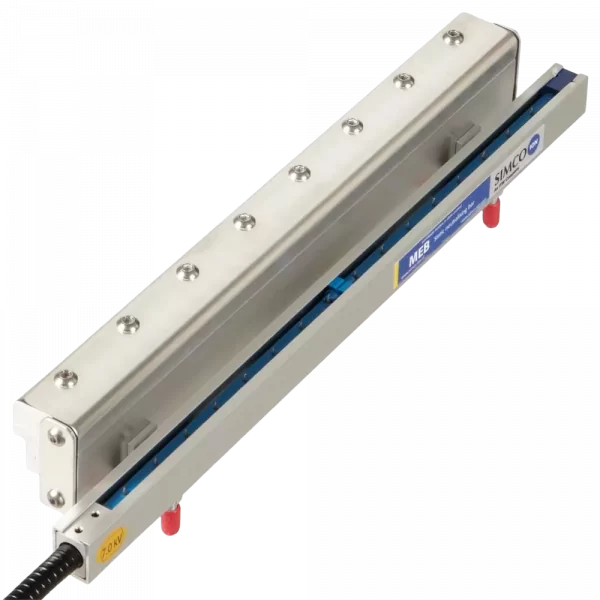
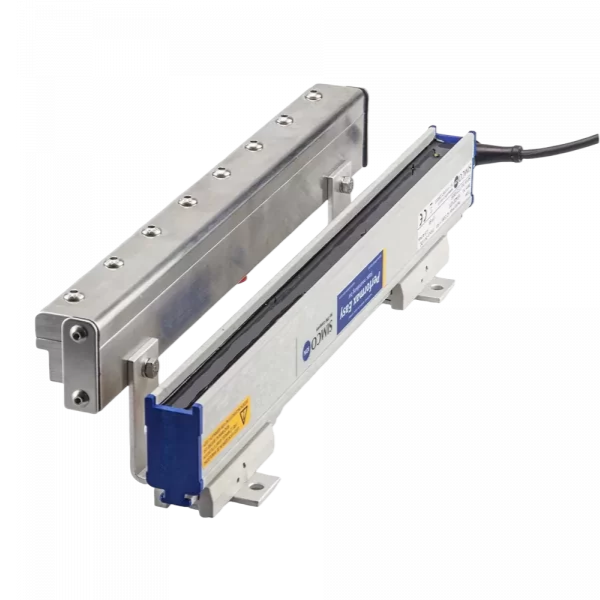
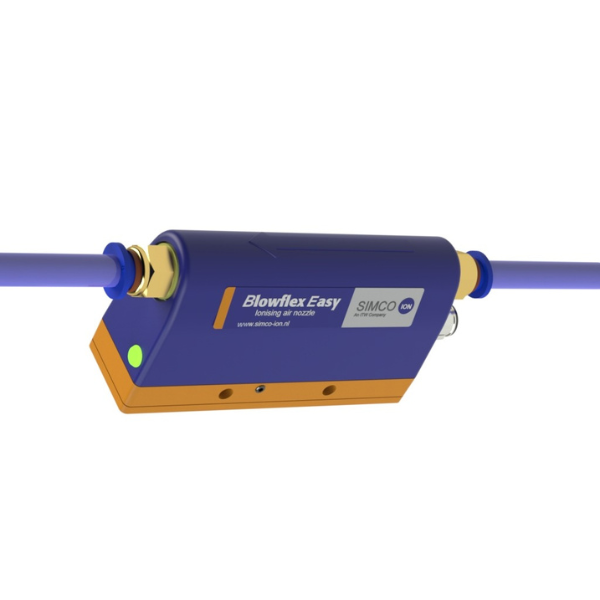
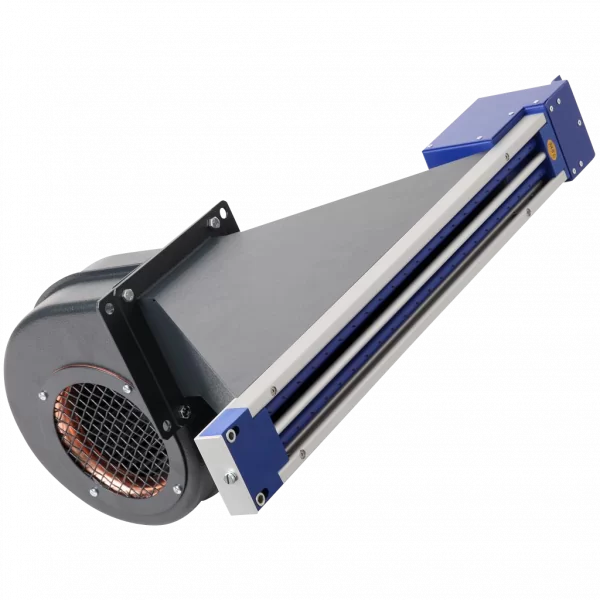
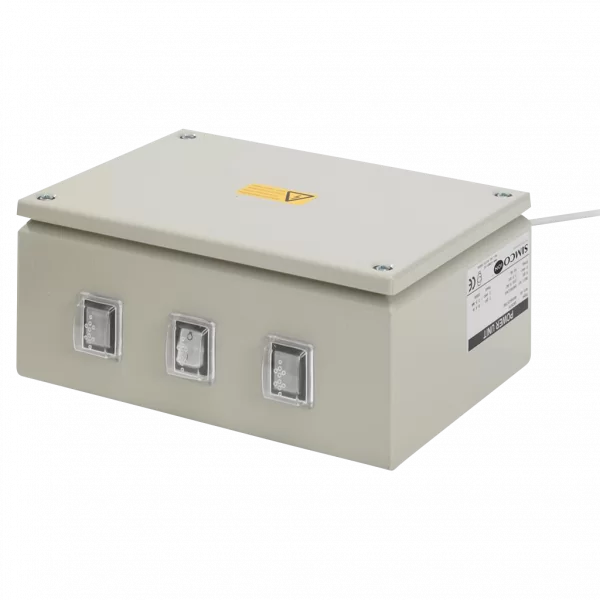
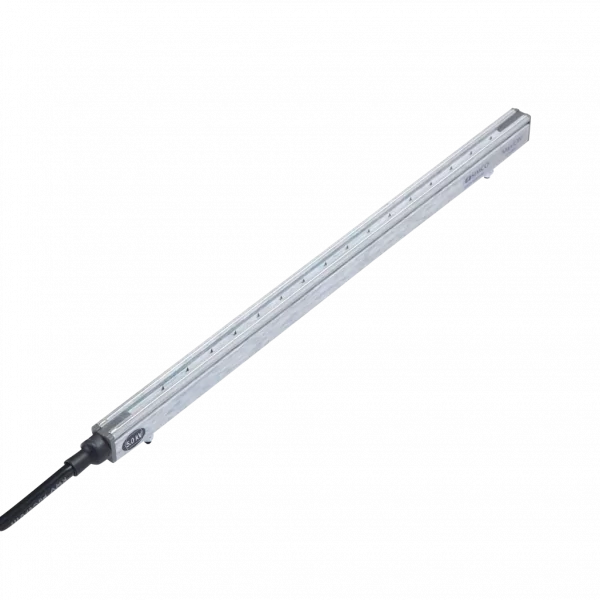
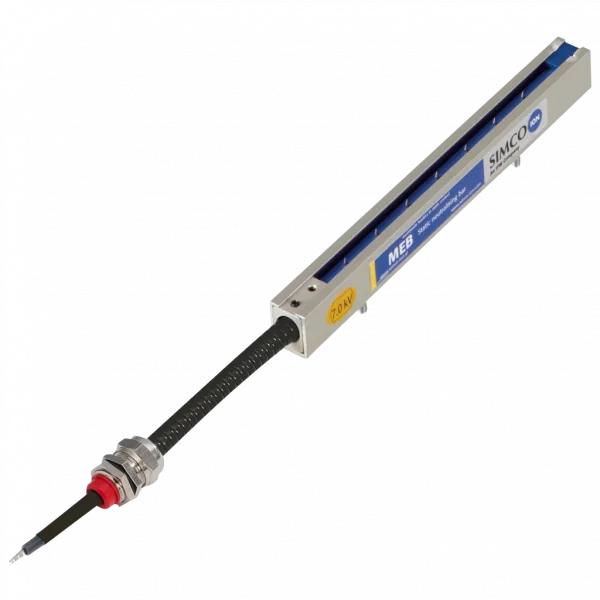
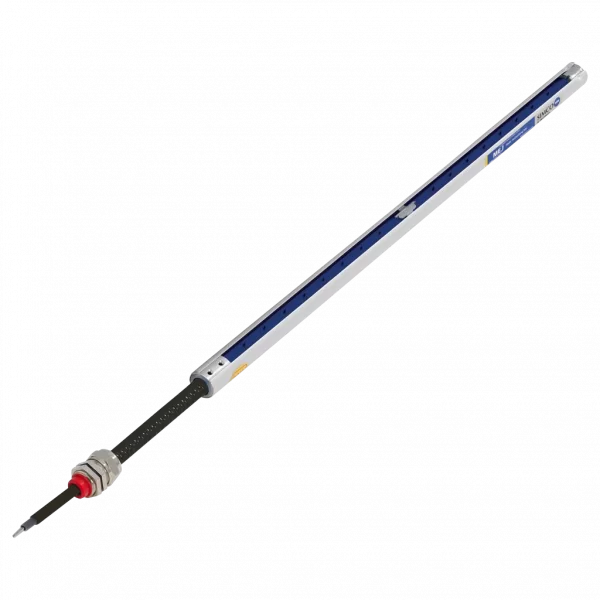
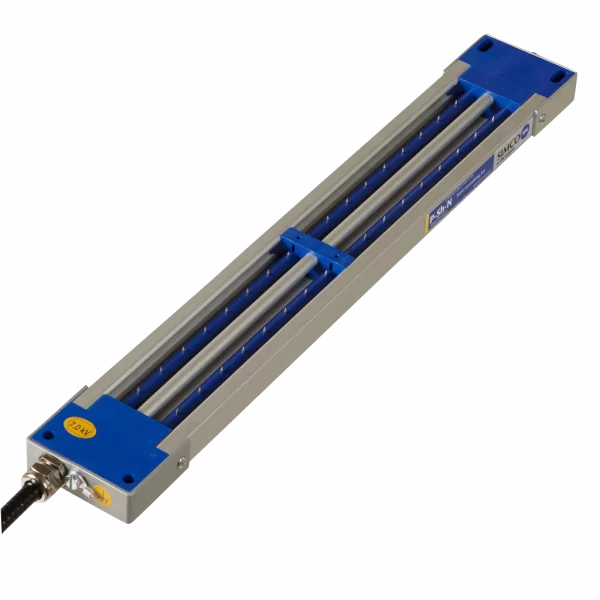
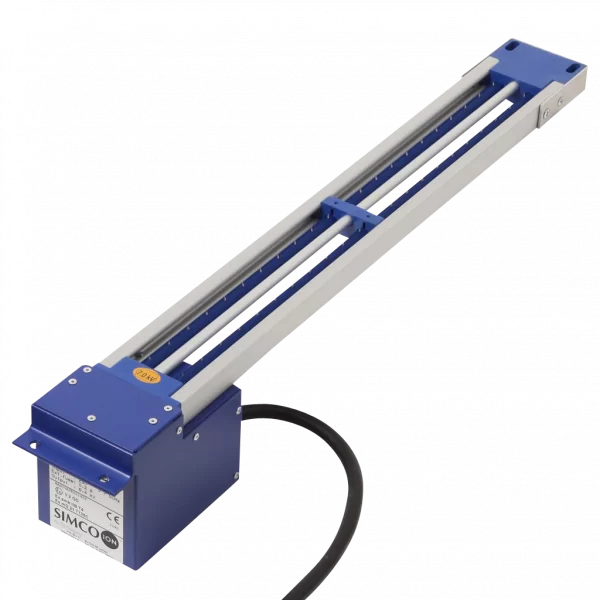
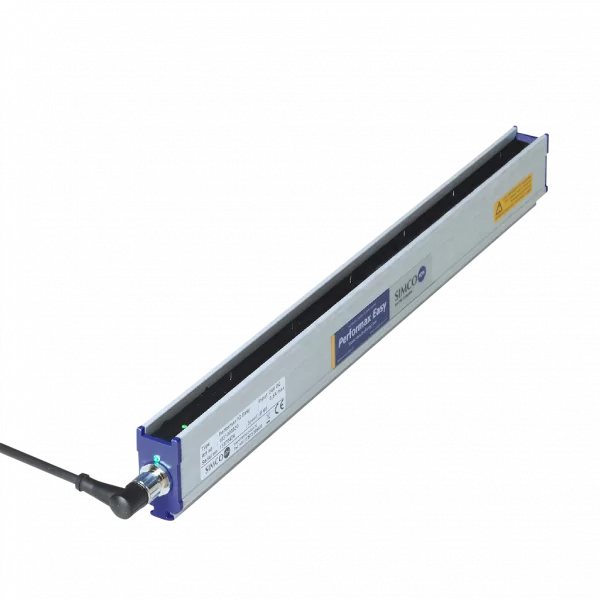
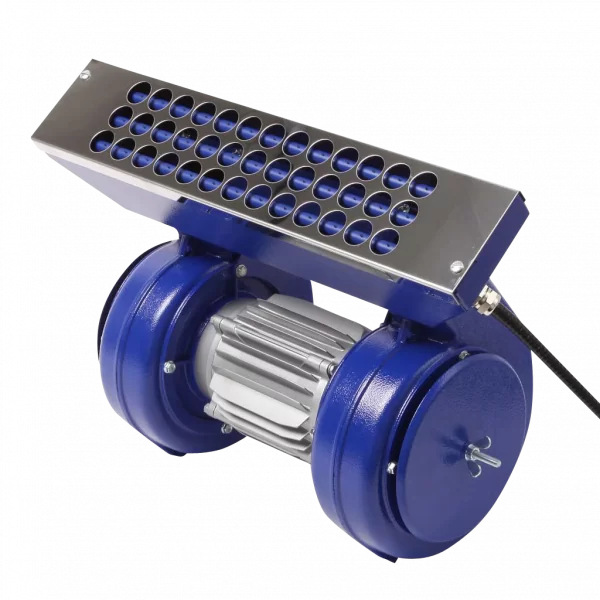
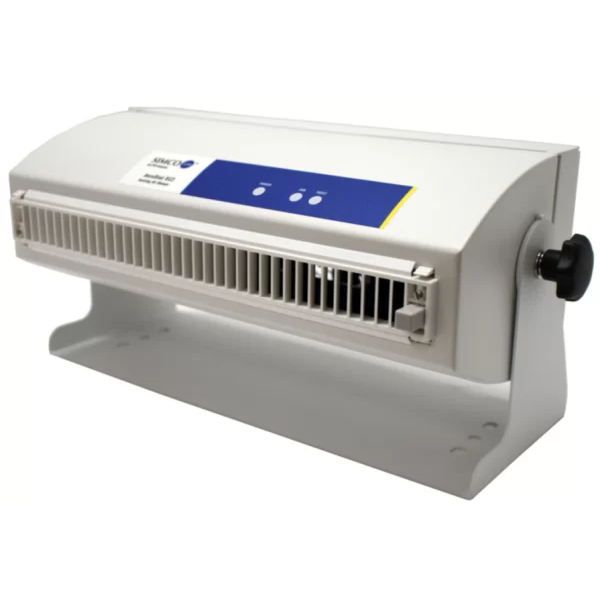
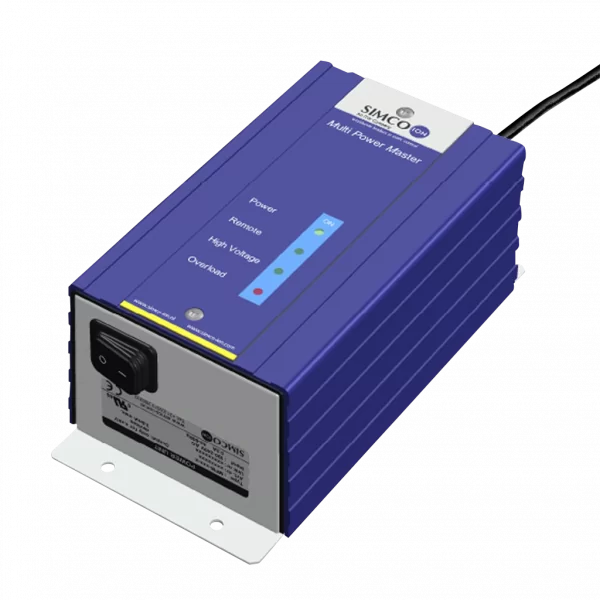
Industrial Static Electricity Neutralization Equipment
Static electricity is an unavoidable byproduct of manufacturing. The moment materials move — unwinding, sliding over rollers, separating at speed, or travelling through air — electrical charges accumulate on their surfaces. Friction and separation transfer electrons between objects, leaving one surface positively charged, the other negative.
In many facilities, this is a minor nuisance. In high-speed production environments, it becomes a serious operational hazard.
The symptoms are well-known to process engineers: dust contamination before coating or painting, materials clinging to conveyors, operator shocks, unstable web handling, blocked pneumatic transport lines, and electrostatic discharge (ESD) damaging sensitive electronics. In environments handling flammable or explosive materials — chemical processing, pharmaceutical packaging — uncontrolled discharge can become an ignition risk.
Solving these problems demands more than installing a generic ionizing bar.
Every production line is different. Material characteristics, line speeds, mechanical constraints, environmental conditions, and regulatory requirements all vary. The right solution must neutralize static reliably — without compromising productivity, safety, or system integration.
This guide offers a practical framework for process engineers, operational managers, and procurement specialists selecting static elimination equipment. Rather than a generic product overview, it follows the diagnostic approach experienced engineers use in real applications: translating specific process conditions into the correct ionization technology.
Minex Group serves as distributor and technical partner for SIMCO ionization technology, supporting industrial customers with the design and integration of reliable static elimination systems.
Why Static Neutralization Is Critical in Modern Production
The influence of static electricity grows directly with production speed and tightening quality tolerances. What is manageable at low speeds becomes disruptive at high ones.
Charged surfaces pull airborne dust onto coated or printed materials. Plastic components cling together or to machine structures. Web materials repel each other or bond to rollers, destabilising transport. Each of these effects carries a direct cost: compromised product quality, reduced machine uptime, and broken process stability.
In electronics manufacturing, the stakes are higher still. A single electrostatic discharge event can permanently damage sensitive components — making precise ESD control not a refinement, but a requirement.
In facilities handling flammable vapours, combustible dust, or explosive materials, the consequences extend further. Here, uncontrolled discharge is a potential ignition source.
Effective static eliminators must respond to all of these conditions: delivering a stable, balanced stream of positive and negative ions capable of neutralizing charges on moving surfaces — quickly, consistently, and without interrupting the line.
That performance is only achievable when ionization technology is matched carefully to the specific process conditions it serves.
How Engineers Diagnose Static Problems
Experienced engineers don't start by selecting equipment. They start by finding where static is being generated.
The usual suspects are predictable: film unwinding and rewinding, plastic extrusion and sheet production, high-speed conveyors, pneumatic transport of powders or granules, and automated handling systems.
Once generated, charge accumulates on insulating materials — plastics, films, paper. Because these surfaces don't conduct electricity, grounding alone cannot dissipate it.
The next step is behavioural:
- How does the charge move downstream?
- Does it attract dust?
- Cause materials to cling or repel?
- Discharge unpredictably to nearby machine components?
The answers determine where ionized air needs to be delivered — and that defines the solution.
Working Distance: The Primary Engineering Variable
Of all the variables in equipment selection, installation distance is usually the most decisive.
Close-range applications are straightforward — compact ionizing bars mounted near the surface can deliver sufficient ion density without complexity. The challenge arises when stable mounting isn't possible.
Web handling processes are a common example: as roll diameters change, the distance between bar and material shifts continuously. Robotic handling systems introduce similar variability through changing part positions. In both cases, ion concentration drops as distance increases, and equipment must be specified accordingly.
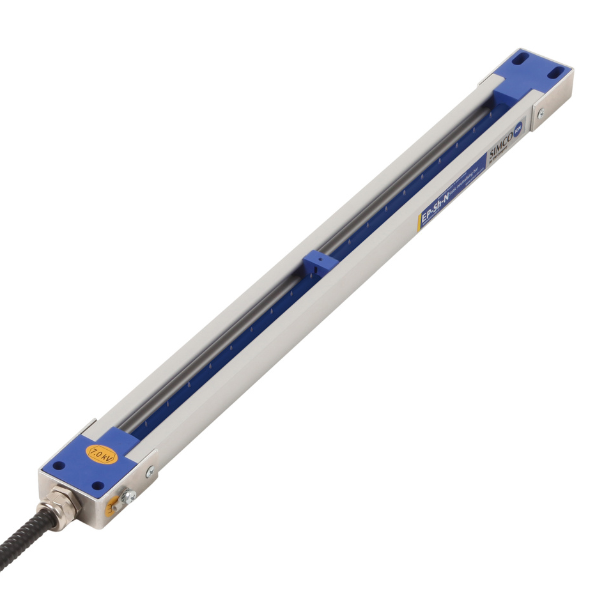
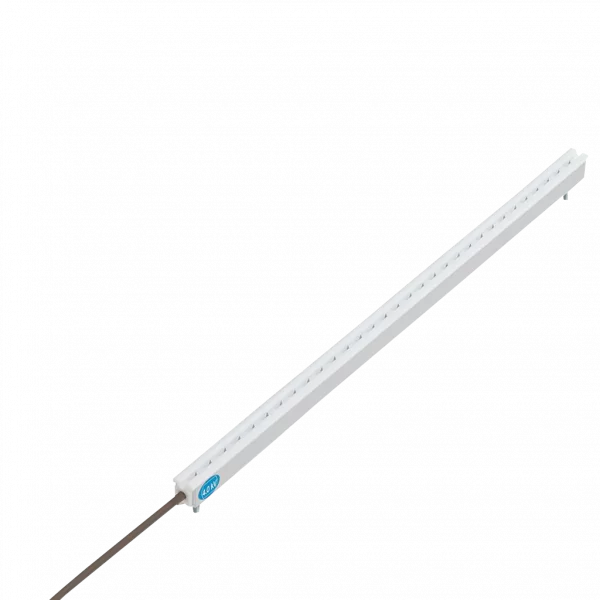
The Simco Ion P-Sh-N - for example - addresses this directly. Available in lengths up to 6 metres, its primary engineering advantage is an extended working distance of up to 600 mm — making it well-suited to applications where that gap cannot be controlled or held constant.
Establishing the available installation distance is therefore the logical starting point for any static control design.
High-Speed Lines: When Time Is the Constraint
Working distance determines what equipment can reach. Speed determines how long it has to work.
On fast modern lines, material passes an ionizing device in milliseconds. That window is too short for conventional ionizers to generate and deliver sufficient ions — and the result shows up as static striping: repeating charge patterns on the material surface that signal uneven neutralization.
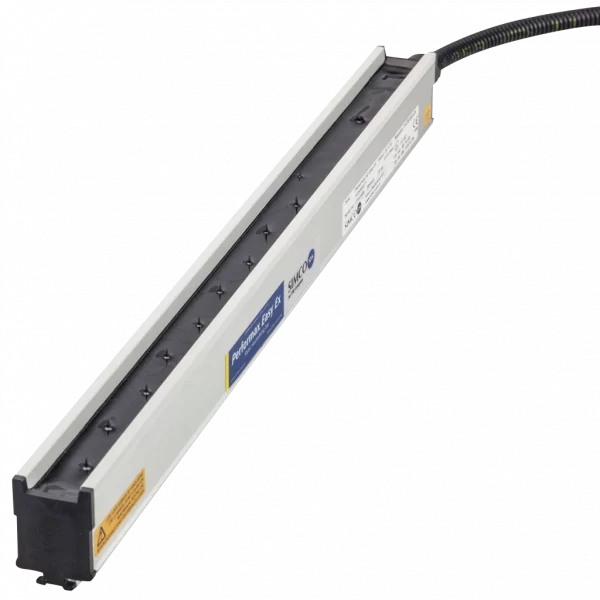
The solution is higher ion output with simultaneous generation of positive and negative ions. The Simco Ion Performax IQ Easy and Performax IQ Easy EX platforms - for instance - are built for exactly this. For lines exceeding 500 m/min, the dedicated Speed variants are the correct choice.
Working distance ranges across the four configurations:
| Model | Working Distance |
| Performax IQ Easy | 100–500 mm |
| Performax IQ Easy EX | 100–300 mm |
| Performax IQ Easy Speed | 50–500 mm |
| Performax IQ Easy EX Speed | 50–300 mm |
The Speed versions trade the extended lower bound of the standard models for performance at velocity — a deliberate engineering choice, not a limitation.
ATEX and Hazardous Environments
Where flammable or explosive materials are present — flammable vapours, combustible dust, or reactive chemicals — industrial static electricity moves from operational nuisance to genuine ignition risk. A single static discharge in these conditions can be sufficient to trigger an explosion or fire.
ATEX-certified static eliminators meet this requirement by integrating high-voltage power supplies directly into the bar, eliminating external high-voltage cables from the hazardous zone while maintaining full ionization performance. In chemical processing, pharmaceutical production, and food environments with combustible dust, both effective neutralization and full regulatory compliance are mandatory — neither can be treated as secondary.
Fouling, Dust, and Harsh Industrial Conditions
Industrial environments expose ionization equipment to dust, oil mist, chemicals, and process debris. These contaminants accumulate on emitter pins over time, reducing ion output and, in severe cases, short-circuiting individual emitters entirely.
Modern static eliminators address this through shockless emitter technology, which allows the bar to continue generating positive and negative ions even when individual pins are fouled. For the harshest industrial applications — high temperatures, aggressive chemicals — PTFE-based inner cores provide the durability required for reliable long-term static elimination.
Proper grounding of conductive machine components remains important in these environments. However, insulating materials such as plastics, films, and sheet stock cannot dissipate electrostatic charges through grounding alone — active ionization is required to restore electrical balance.
When Neutralizing Static Isn't Enough
Static charge and surface contamination frequently occur together. Charged surfaces attract dust particles from the surrounding air; once bonded electrostatically, those particles resist removal even after the electrical charge is neutralized.
In these situations, static eliminators that generate ionized air through directed airflow solve both problems simultaneously. The ionized air neutralizes static charges on moving surfaces while the airflow physically displaces particles — an approach that anti-static methods alone cannot replicate. Dust collection may be integrated downstream to manage displaced debris.
This combination is standard practice in automotive painting, aerospace finishing, electronics assembly, and precision electronics manufacturing, where dust attraction directly compromises product quality. In medical devices production and other controlled environments, the same principle applies under even stricter contamination thresholds.
Integration with Automated Production Systems
Modern static control systems don't operate in isolation. Current ionization platforms accept low-voltage inputs and communicate directly with PLC systems, enabling centralized monitoring across industrial environments.
More advanced configurations incorporate sensors that continuously measure residual electrostatic charges, closing the control loop entirely. Ion output adjusts dynamically in response to real-time process conditions — improving process stability, reducing static buildup between maintenance intervals, and providing the data foundation for predictive maintenance.
Cleanroom and Precision Electronics
ESD control in electronics manufacturing operates at a different level of precision. Sensitive electronics — including components used in medical devices — can sustain permanent damage from electrostatic discharge events too small to register in standard industrial applications. In these environments, electrical balance across positive and negative ions must be maintained within extremely tight tolerances.
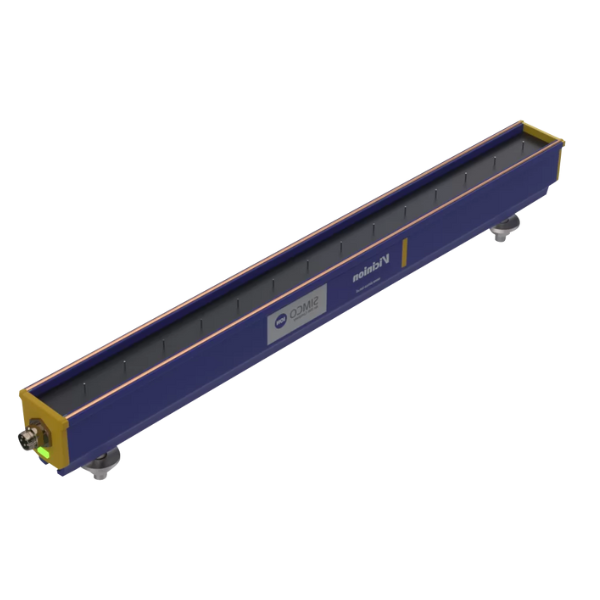
The Simco Ion XC2 Blower is designed for such controlled environments, meeting ISO 14644-1 Class 6 cleanroom standards. For compact machines in electronics assembly requiring finer charge control, the Simco Ion VicinION bar uses patented auto-balancing ionization technology to neutralize static electricity below 100 V residual charge — a level of precision that standard ionizing bar designs cannot consistently achieve.
Anti-static mats and antistatic additives may complement system-level static elimination in these environments, but cannot substitute for active ionization where non-neutral electric charge must be continuously managed on moving surfaces.
Extreme Temperature and Chemical Resistance
The Simco Ion SS 1/2 is built for industrial conditions that would degrade standard static eliminators — operating in temperatures up to 150°C with a chemically resistant PTFE inner bar for use with aggressive substances.
One critical design distinction applies. Unlike other devices in the portfolio, which use shockless capacitively coupled emitters to eliminate static electricity safely, the SS 1/2 uses directly coupled emitter pins to maximise ionizing current. Contact with the pins during operation will cause a hazardous shock.
Installation must therefore place this bar inside machine enclosures or guarded areas inaccessible to personnel. This is not a standard installation note — it is a safety requirement that must be explicitly confirmed before the equipment is commissioned.
Overview of Static Electricity Neutralization Equipment Available Through Minex Group
| Product | Best Use Cases | Key Benefits |
| Simco Ion Air Knife with MEB | Dust removal before painting, printing, lamination | Combines surface cleaning with static elimination up to 1000 mm |
| Simco Ion Air Knife with Performax IQ Easy | Robotic cleaning systems | Long-range neutralization up to 3000 mm |
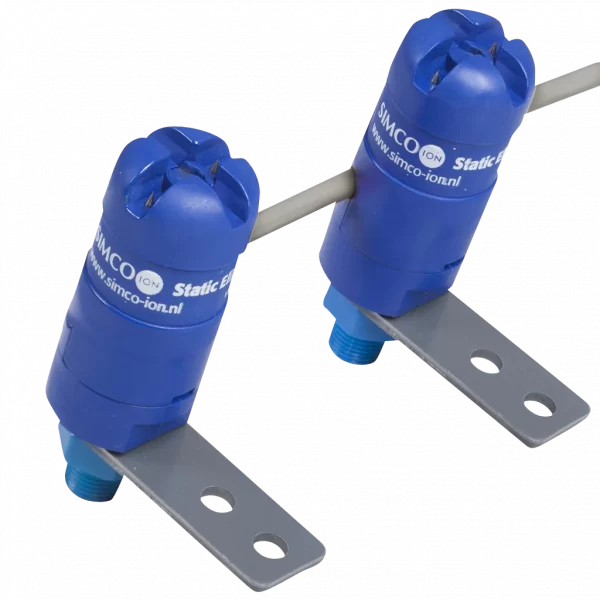
| Simco Ion Blowflex Easy | Targeted cleaning in electronics and packaging | Compact nozzle with IP66 protection |
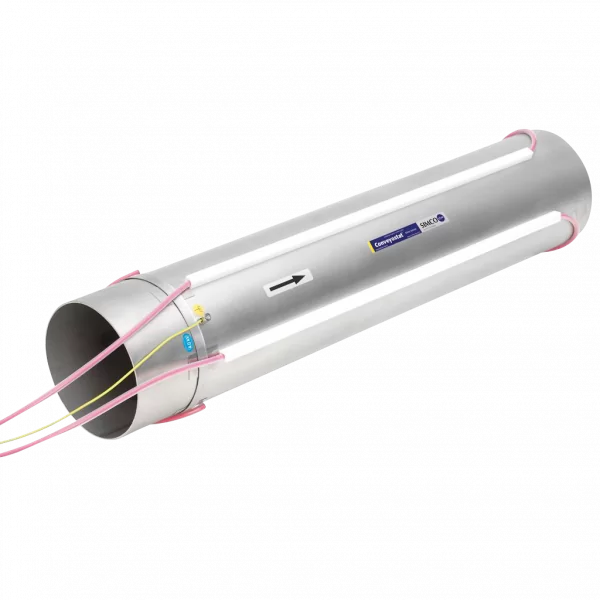
| Simco Ion Conveyostat | Pneumatic transport of powders and granules | Eliminates static inside conveying pipes |
| Simco Ion EP-Sh-N | Medium-range plastics and packaging | Shockless emitters tolerant to fouling |
| Simco Ion HE | Precision blow-off for electronics manufacturing | Strong airflow with low air consumption |
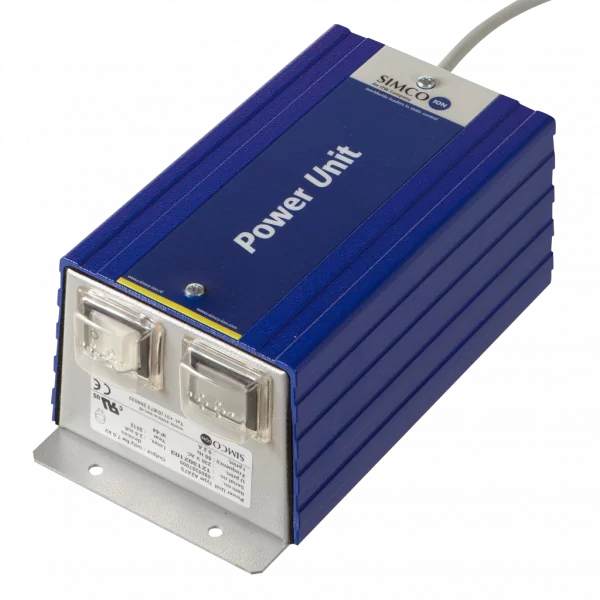
| Simco Ion High Voltage Power Unit A2A7S | Power supply for ionization systems | Supplies high voltage to up to 4 ionizing devices |
| Simco Ion HP-N-Ex Blower | ATEX environments | Integrated power unit with wide coverage |
| Simco Ion LB2A4S Power Unit | High-speed converting lines | Supports up to 8 devices (2×4 connections) with dual transformers |
| Simco Ion MaxION | Impact-resistant installations | Rugged fiberglass construction |
| Simco Ion MEB | Short-range installations | Compact and cost-efficient |
| Simco Ion MEJ | Through-hole machine mounting | Round profile installation |
| Simco Ion P-Sh-N | Web handling applications | Working distance up to 600 mm, lengths up to 6 m |
| Simco Ion P-Sh-N-Ex | Web processes in ATEX zones | ATEX-certified version |
| Simco Ion Performax IQ Easy | High-speed production lines | Smart platform with optional sensor integration |
| Simco Ion Performax IQ Easy EX | Hazardous high-speed environments | ATEX-certified smart ionization |
| Simco Ion SS 1/2 | Extreme heat and chemical exposure | Up to 150°C operation (requires protected installation due to direct emitters) |
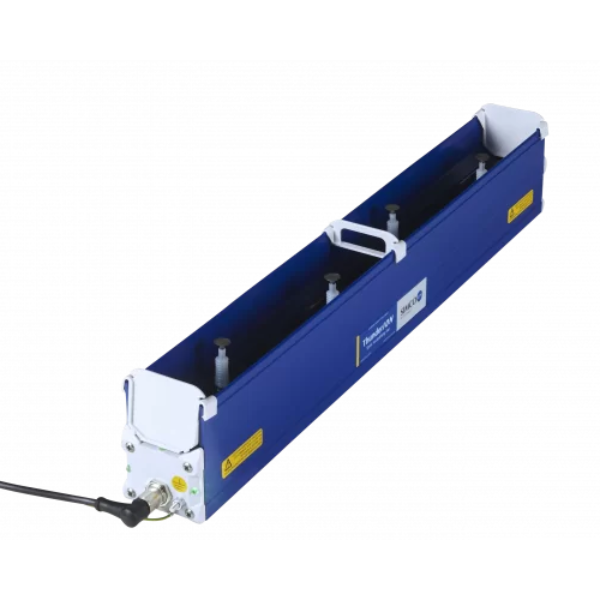
| Simco Ion ThunderION IQ 2.0 | Web winding and rewinding | High ion output without compressed air |
| Simco Ion VicinION | Compact machines | Auto-balancing ionization, residual charge <100 V |
| Simco Ion VolumION | Paper and film webs | Wide coverage up to 1500 mm |
| Simco Ion XC2 Blower | ESD-sensitive electronics and medical devices | ISO Class 6 cleanroom compliant |
| Simco-Ion MPM Power Unit | Automated facilities | Powers up to 4 devices and includes I/O connector with 24 V supply for Typhoon air pressure sensor integration |
Need Help Selecting the Right Static Neutralization Equipment?
Every industrial process behaves differently when it comes to static electricity. Production speed, material properties, mounting constraints, environmental conditions, and regulatory requirements all influence which solution will perform best.
If you are evaluating static control for a new production line or trying to solve persistent static problems in an existing process, the most reliable approach is often to discuss the application with specialists who can assess the specific conditions of your system.
Minex Group engineers support industrial manufacturers with:
- Static electricity diagnostics
- Equipment selection and system design
- Integration into production lines
- Optimization of static neutralization performance
If you would like support selecting the most suitable solution for your application, contact the Minex technical team to discuss your process conditions and receive expert guidance.
Frequently Asked Questions
Uncontrolled static electricity can create a wide range of operational problems across manufacturing environments.
Charged surfaces attract airborne dust and particles, which can contaminate coatings, printed materials, or sensitive electronic assemblies. In web-based processes such as film converting or printing, static can cause misalignment, wrinkling, or unstable winding behaviour.
Operators may experience electrostatic shocks when touching charged materials or equipment. In electronics manufacturing, even relatively low electrostatic discharges can damage components or reduce product reliability.
In hazardous environments where flammable vapours or combustible dust are present, static electricity can also act as a potential ignition source. For this reason, effective static control is often essential for maintaining both product quality and operational safety.
Static electricity forms whenever two materials come into contact and then separate. During this process, electrons transfer between the surfaces, leaving one material positively charged and the other negatively charged.
In industrial environments this happens continuously. Common charge generation points include film unwinding operations, plastic extrusion lines, conveyor systems, pneumatic powder transport, robotic handling systems, and packaging processes.
Non-conductive materials such as plastics, paper, films, and synthetic textiles are particularly prone to accumulating charge because the electrical energy cannot easily dissipate through the material.
The faster the materials move and the drier the surrounding air becomes, the greater the electrostatic charge tends to be.
Industrial static control strategies typically combine passive and active measures.
Passive methods focus on preventing charge accumulation or allowing charges to dissipate naturally. These include bonding and grounding metal equipment, controlling humidity levels, and selecting materials with lower electrostatic charging tendencies.
However, passive methods alone are often insufficient in modern high-speed production lines. This is where active ionization systems become essential.
Ionization equipment generates streams of positive and negative ions that neutralize electrostatic charges on insulating surfaces. When these ions reach the charged material, they recombine with the accumulated charge and restore electrical balance.
Grounding and bonding are highly effective for conductive materials and metal machine components. These techniques allow electrical charges to flow safely to ground.
However, many industrial materials—such as plastic films, synthetic fibres, paper, and coatings—are electrical insulators. Even when the surrounding machinery is properly grounded, these materials can still retain significant electrostatic charge.
Active ionization becomes necessary whenever static problems persist on moving insulating materials, particularly in high-speed processes such as web converting, packaging, plastics extrusion, and automated assembly lines.
In these environments, ionizers are the only practical way to neutralize the charge directly on the material surface.
Industrial ionization technology is available in several formats, each designed for specific process geometries and operational conditions.
Ionizing bars are widely used in web processes where materials pass within a fixed distance of the equipment. Air knives combine ionization with directed airflow to remove dust while neutralizing charge. Nozzles and ionizing guns are commonly used for targeted static removal on smaller components.
Blower systems are designed for larger three-dimensional objects or workstations where parts move through a wider working area.
Selecting the correct type of device depends largely on the physical layout of the production line and the distance between the ionizer and the charged surface.
Selecting the correct ionization equipment requires evaluating several technical parameters of the production process.
Engineers typically consider the magnitude of the electrostatic charge, the distance between the equipment and the charged surface, the speed of the production line, and the geometry of the product being processed.
Additional factors include whether airflow is required to remove particles, whether the environment contains dust or chemicals that could contaminate emitter pins, and whether there are installation constraints that limit mounting options.
Environmental conditions such as temperature, humidity, and regulatory requirements (for example ATEX or cleanroom classifications) may also influence equipment selection.
Distance has a significant influence on the performance of static neutralization systems.
Ionizing bars and other devices generate ions that travel through the air to reach the charged surface. As the distance increases, the ion concentration decreases and the neutralization efficiency drops.
For this reason, ionizing devices should generally be installed as close as safely possible to the material surface. In many applications the ideal location is immediately upstream of the process step where static causes problems, such as before coating, printing, cutting, or stacking.
When close mounting is not possible, longer-range ionization systems or air-assisted devices may be required.
In explosive atmospheres such as chemical plants, pharmaceutical production facilities, or dust-intensive food processing environments, static electricity can pose a serious safety hazard.
In these areas, all electrical equipment—including ionization systems—must comply with ATEX regulations or equivalent safety standards. Certified equipment is designed to eliminate ignition risks while maintaining effective static neutralization.
Typical design features include enclosed high-voltage systems, robust housings, and configurations that avoid exposed electrical components within the hazardous zone.
Selecting certified equipment is essential to ensure both operational safety and regulatory compliance.
Industrial environments often expose ionization equipment to dust, oil mist, chemical vapours, or other contaminants. Over time, these substances can accumulate on emitter pins and reduce ion output.
In severe cases, contamination can cause emitter points to short-circuit or reduce the balance between positive and negative ions.
For this reason, many industrial ionizers incorporate rugged designs, protective housings, or specialized emitter technologies that continue operating even when partially fouled.
Selecting equipment appropriate for the environmental conditions of the production line helps maintain consistent performance and reduces maintenance requirements.
Like any industrial equipment, ionization systems require periodic inspection and maintenance to ensure optimal performance.
Best practice typically includes regular cleaning of emitter pins, visual inspection of devices for contamination or mechanical damage, and periodic verification of ion output and balance.
Advanced ionization platforms may incorporate built-in monitoring systems or sensors that continuously measure static levels. These systems can alert operators when performance deviates from expected levels and may even adjust ion output automatically.
Proper maintenance and monitoring help ensure that static neutralization systems continue to protect production quality and operational safety over time.