Painting Guns
References
The Ultimate Guide to Selecting the Right Industrial Painting Gun for Professional Applications
Make the right choice for your coating application with confidence and clarity.
Painting guns are essential tools in finishing, production, and surface coating work — but choosing the right one isn’t always straightforward. With a wide range of spray technologies, operation modes, and material behaviors to consider, it is easy to focus on individual product features while missing the bigger picture: how the gun will actually perform under real operating conditions. Selecting the right industrial painting gun ensures access to all necessary features and system functionalities for optimal performance.
This guide walks you through a structured decision path based on how you paint, what you paint, and what you want to achieve. Instead of starting with product lists or industry labels, it explains how painting guns behave in practice, why certain technologies are better suited to specific objectives, and how these choices translate into the most appropriate Minex solutions. By the end, you will not only know which painting gun fits your application, but why it is the right choice.
Why Painting Gun Selection Matters in Professional Coating Processes
Every successful coating process begins with a clear understanding of what must be optimized. In daily operations, painting guns are rarely chosen because they are technically impressive on paper. They are chosen because they support consistency, productivity, finish quality, and material efficiency in a specific working environment. Factors such as ergonomics, balance, and controllability are critical—especially the ergonomic design of the industrial painting gun, which enhances user comfort and reduces fatigue during prolonged use.
The First Technical Decision: Manual or Automatic Painting Guns?
A foundational choice that defines control level, repeatability, and system integration
Before comparing technologies or models, one fundamental decision defines the entire selection process: whether the application is manual or automatic.
In manual painting, the gun becomes an extension of the operator. The quality of the finish depends not only on atomization, but on how predictably the gun responds to changes in distance, angle, speed, and material flow. Manual guns are therefore favored where flexibility is required: workshops, refinishing environments, spot repair, laboratories, and on-site applications where parts vary and production conditions change frequently. In these contexts, ergonomics, balance, and controllability directly affect repeatability and fatigue over long working days.
Automatic painting introduces a very different reality. Here, the gun must behave as a stable component of a larger system, often integrated into production lines or robotic cells. Repeatability, durability, and precise control of spray parameters matter more than tactile feedback. Automatic guns are selected when coating must be applied continuously, with minimal variation between cycles, and when production speed and consistency outweigh the need for operator intervention.
This first decision — manual or automatic — does not yet determine the right product, but it establishes the framework within which the spray technology must operate. Reputable manufacturers and suppliers serve customers by providing support and guidance in selecting the most suitable painting gun for their specific application.
How Spray Technology Impacts Finish Quality, Efficiency, and Process Stability
A practical explanation of atomization methods and their real-world implications
Once the application mode is defined, the next step is understanding how the coating will be atomized. Atomization determines droplet size, spray pattern stability, transfer efficiency, and ultimately how the coating behaves when it reaches the surface. Each spray technology exists to solve a different set of problems, and none is universally superior. Each method provides a unique means of achieving atomization and finish quality, depending on the application's requirements.
Air Spray Technology: When Surface Quality and Control Are the Priority
Air spray technology uses compressed air to break the coating material into fine droplets. At the point of atomization, the mix of atomized fluid and compressed air is critical for achieving a fine and consistent spray pattern. This produces a highly controllable spray pattern and excellent surface finish, making air spray the reference solution when visual quality is critical. Because atomization relies heavily on air, the process allows precise control over film build and edge definition, but it typically generates more overspray than other methods.
In practice, air spray is most effective with low-to-medium viscosity coatings and in applications where surface appearance matters more than speed. It is commonly chosen for refinishing, fine industrial parts, laboratory work, and spot repair, where small adjustments in spray behavior can make a visible difference in the final result. Gravity-fed variants favor precision and minimal material volume, while pressure-fed configurations extend capability toward higher viscosities and longer spraying cycles.
Air-Assisted Airless Technology: Balancing Finish Consistency and Production Speed
Air-assisted airless technology combines hydraulic pressure with a controlled amount of atomizing air. Controlling air pressure is essential for optimizing atomization quality and operational efficiency in these systems. This hybrid approach reduces overspray compared to air spray while preserving a relatively fine and consistent spray pattern. The result is a technology that balances finish quality with productivity.
This balance makes air-assisted airless particularly well suited to wood and metal finishing, furniture production, and general industrial coating, both in manual and automated environments. It is often selected when air spray no longer delivers sufficient output, but full airless spraying would compromise surface quality or control.
Airless Spray Technology: High Output Solutions for Thick and Protective Coatings
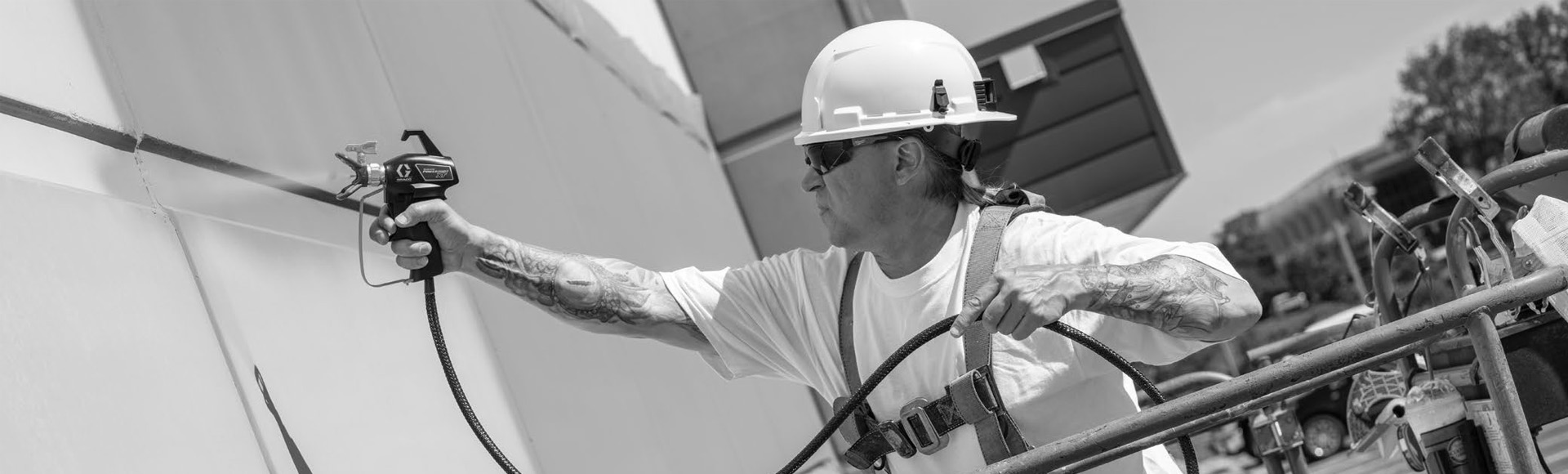
Airless spraying relies entirely on high fluid pressure to atomize the coating. The pump's capacity and the orifice size of the spray gun are critical factors that influence atomization quality and compatibility with different coatings. By eliminating atomizing air, the system delivers maximum material output and strong penetration, making it ideal for thick, high-solid, or protective coatings. Airless technology is not designed for finesse; it is designed for efficiency, coverage, and durability.
In real applications, airless guns are chosen for primers, anticorrosive systems, and large surfaces where productivity and coating thickness matter more than surface refinement. This technology dominates construction, infrastructure, heavy equipment, and protective coating environments, where reliability under demanding conditions is essential.
Electrostatic Spray Technology: Improving Transfer Efficiency and Coverage Uniformity
Electrostatic spray technology introduces an electrical charge to the paint particles, causing them to be attracted to grounded surfaces. This physical principle dramatically improves transfer efficiency and creates a wrap-around effect that coats complex geometries more evenly.
Electrostatic systems are selected when material savings, uniform coverage, and environmental efficiency are critical. They are effective with both solvent-based and waterborne coatings and are commonly used in high-volume production environments where even small efficiency gains translate into significant cost reductions over time.
Rotary Atomizer Technology: Premium Robotic Finishing for High-End Applications
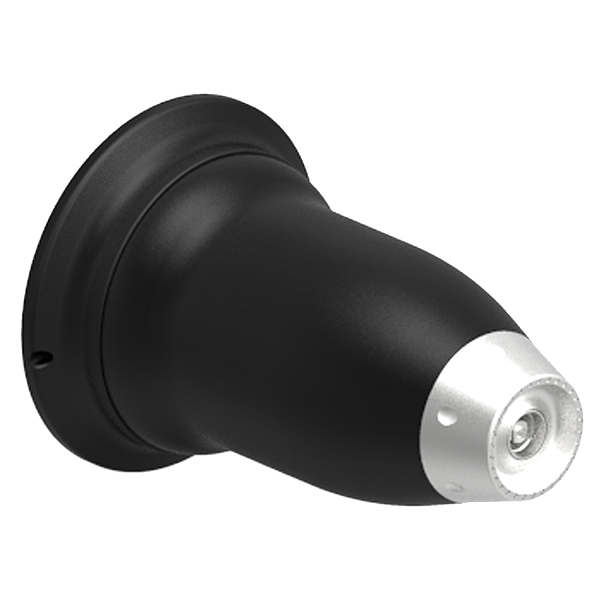
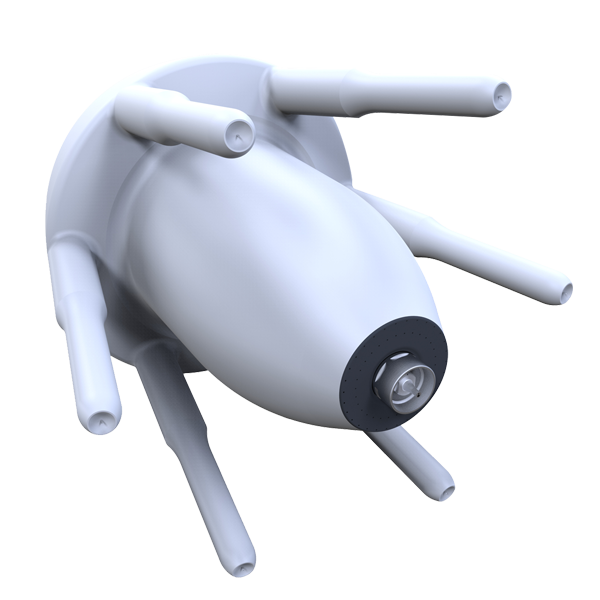
Rotary atomizers represent the highest level of spray technology in automated finishing. Instead of forcing paint through a nozzle, the coating is distributed by centrifugal force from a rapidly rotating bell. By maintaining the fluid close to the tip, rotary atomizers help minimize material settling and ensure consistent spray quality. This produces extremely fine droplets and exceptional consistency, particularly with waterborne paints.
Rotary atomization is designed for robotic application and excels where finish quality, repeatability, and transfer efficiency must be optimized simultaneously. In practice, it is most closely associated with high-end automotive body painting and other premium automated finishing processes.
How to Match Painting Gun Technology to Coating Viscosity and Material Behavior
Avoiding clogging, overspray, wear, and unstable film build through correct matching
Spray technology cannot be selected independently of material behavior. Coatings respond differently to pressure, air, and flow, and mismatches between gun and material often result in clogging, uneven film build, or unstable spray patterns.
Fine, low-viscosity materials such as base coats, clear coats, and fine lacquers benefit from technologies that prioritize atomization quality and control. Air spray, electrostatic spray, and rotary atomizers are best suited here, as they maintain droplet uniformity and surface consistency.
Medium-viscosity materials, including most industrial paints, wood coatings, and standard primers, require more energy to atomize while still benefiting from controlled application. Pressure-fed air spray and air-assisted airless technologies provide this balance, supporting both quality and throughput.
High-viscosity or abrasive materials place mechanical stress on the system and demand robust designs. Fillers, high-solid anticorrosives, ceramics, and abrasive coatings are best handled by airless systems or heavy-duty air-assisted guns designed to maintain stable flow and resist wear.
Matching technology to material behavior is one of the most effective ways to prevent performance issues before they appear. This approach ensures superior results in finish quality, efficiency, and process stability.
Defining the Core Objective: Finish Quality Versus Throughput
How to prioritize precision, productivity, or efficiency without compromising process reliability
At its core, every painting process must resolve a trade-off between precision and productivity.
When surface appearance defines success — for example, when defects are immediately visible or customer expectations are high — the process favors technologies that offer maximum control. Manual air spray, electrostatic systems, and rotary atomizers dominate these scenarios, even if they sacrifice some speed.
When coverage speed, throughput, and material build are the primary concerns, the balance shifts. Air-assisted airless, airless, and heavy-duty automatic systems deliver more material more quickly, supporting productivity in large-scale or protective applications.
Industry examples often reflect this split, but they do not define it. The priority itself — precision or speed — is the true decision driver.
Selecting the Best-Fit Painting Gun from the Minex Portfolio
Translating process requirements into practical product choices
Once application mode, spray technology, material behavior, and performance priorities are clear, selecting the right product becomes a process of alignment rather than comparison. Reviewing the technical specifications of each painting gun is essential to ensure compatibility with application requirements. The Minex portfolio covers the full spectrum of these needs, from precision manual guns to automated heavy-duty solutions.
The table below consolidates this logic into a practical reference that connects operation mode, technology, and best-fit objective, with industry examples serving only as confirmation of typical use.
Painting Gun Comparison Table: Minex Portfolio Overview by Application and Objective
When comparing industrial painting guns, it's important to consider the wide range of spray guns and sprayers available, each designed for specific applications and coating requirements. The type of sprayer—such as airless, air-assisted airless, or HVLP—affects atomization, transfer efficiency, and finish quality. Additionally, selecting the right tip for each spray gun is crucial, as tip geometry and material directly impact the spray pattern, atomization quality, and overall performance. The table below compares various spray guns, highlighting their operation, technology, and best-fit use cases to help you choose the optimal solution for your industrial painting needs.
| Product Name | Operation | Technology | Best Fit / Objective | Typical Use Case |
| Durr EcoBell2 SL EC | Automatic | Rotary Atomizer (External Charge) | Robotic waterborne painting | Automotive OEM body shops |
| Durr EcoBell2 SL DC | Automatic | Rotary Atomizer (Direct Charge) | Robotic high-speed solvent finishing | Automotive production |
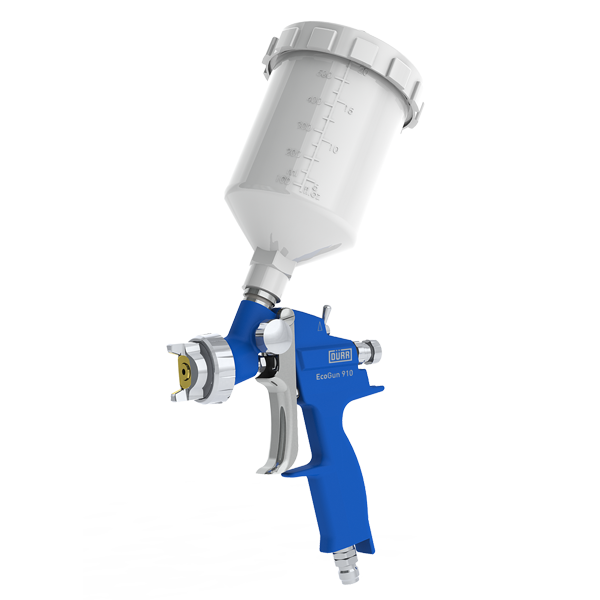
| Durr EcoGun 910 / 910S | Manual | Air Spray (Gravity/Pressure) | Refinishing and laboratory work | Automotive refinishing |
| Durr EcoGun 119 | Manual | Air Spray (Gravity) | Spot repair and small-area base/clear coats | Auto spot repair |
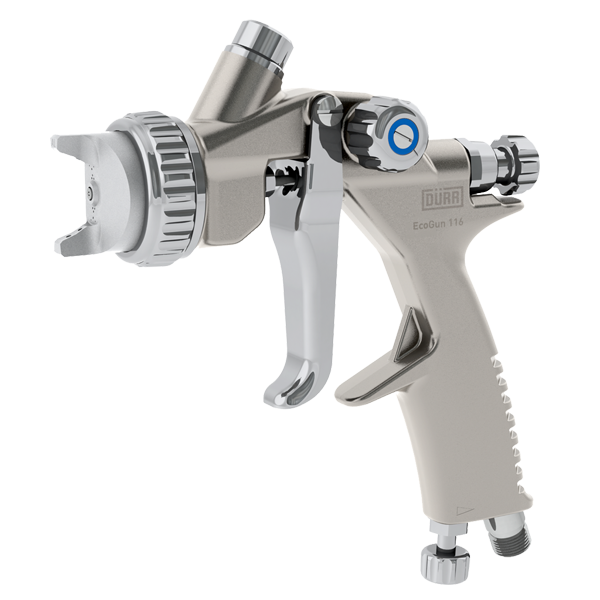
| Durr EcoGun 116 | Manual | Air Spray (Gravity) | Primers, fillers, stains (thicker media) | Industrial priming |
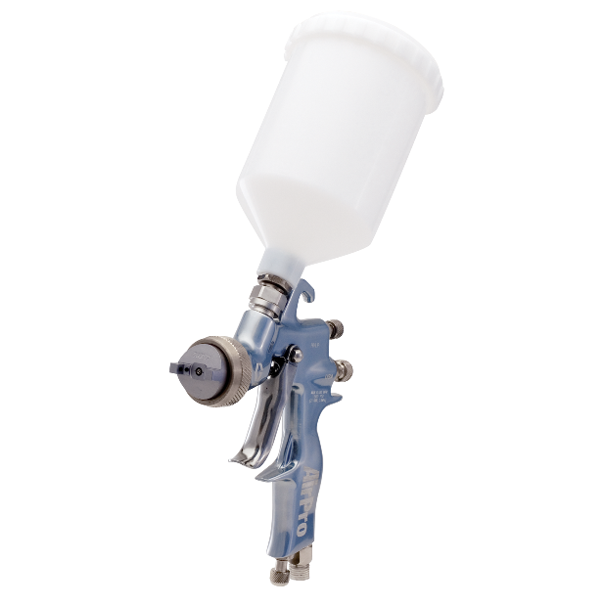
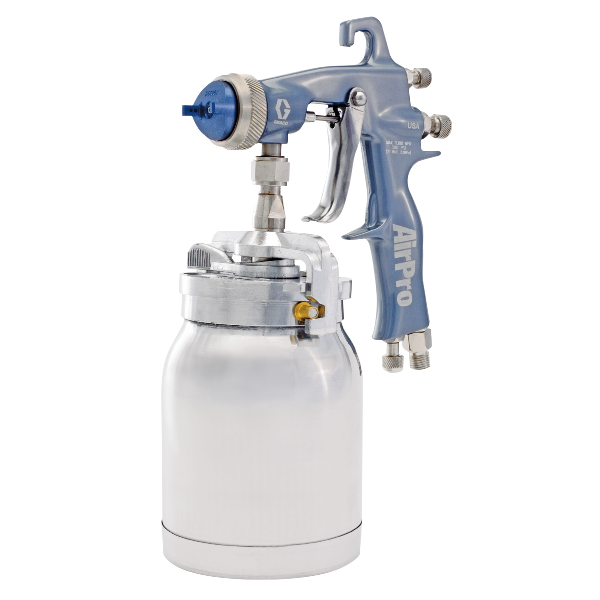
| Graco AirPro (Gravity) | Manual | Air Spray | Ergonomic fine finishing for daily use | Metal parts finishing |
| Graco AirPro (Siphon) | Manual | Air Spray | Siphon-feed needs and specialty applications | Adhesives, special feed |
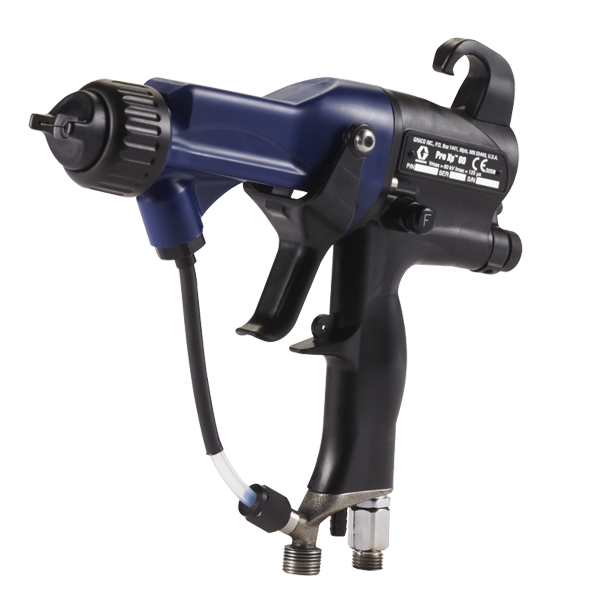
| Graco ProXp Airspray | Manual | Electrostatic Air Spray | Wrap-around efficiency on complex parts | Tubular/complex parts |
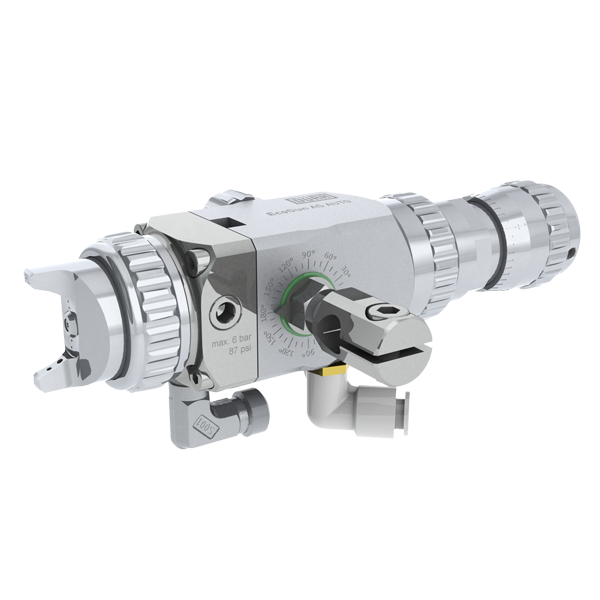
| Durr EcoGun AS Auto Series | Automatic | Air Spray | Versatile production-line coating | Wood/metal production |
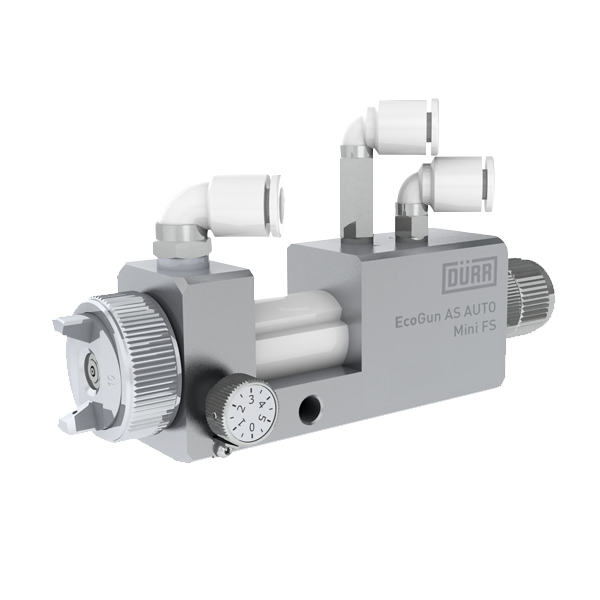
| Durr EcoGun AS AUTO Mini FS | Automatic | Air Spray (Compact) | Precision marking and tight spaces | Small area coating |
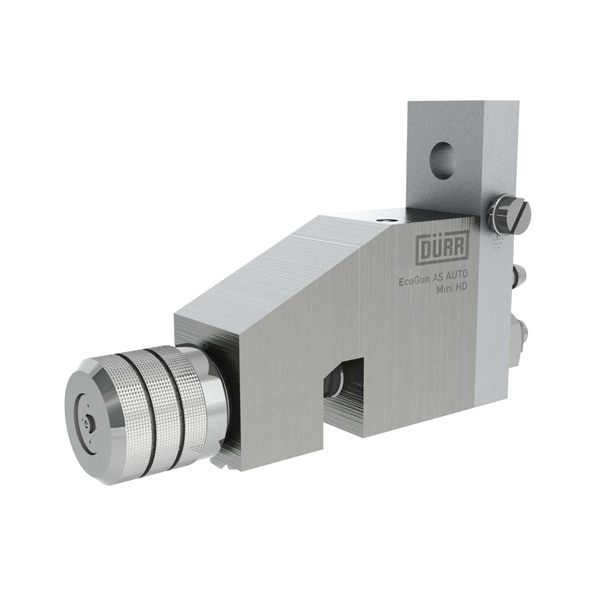
| Durr EcoGun AS AUTO Mini HD | Automatic | Air Spray (Heavy Duty) | Gluing and aggressive media | Packaging machines |
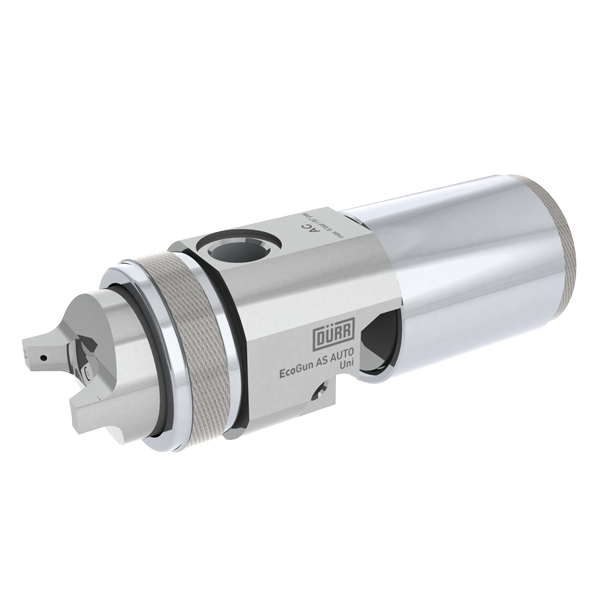
| Durr EcoGun AS AUTO Uni | Automatic | Air Spray | Cooling and lubrication | Glass industry cooling |
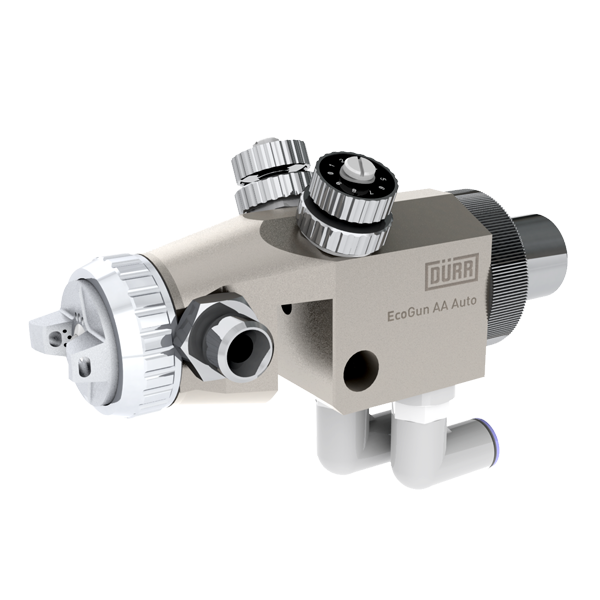
| Durr EcoGun AA Auto | Automatic | Air-Assisted Airless | Automated wood/metal finishing | High-speed lines |
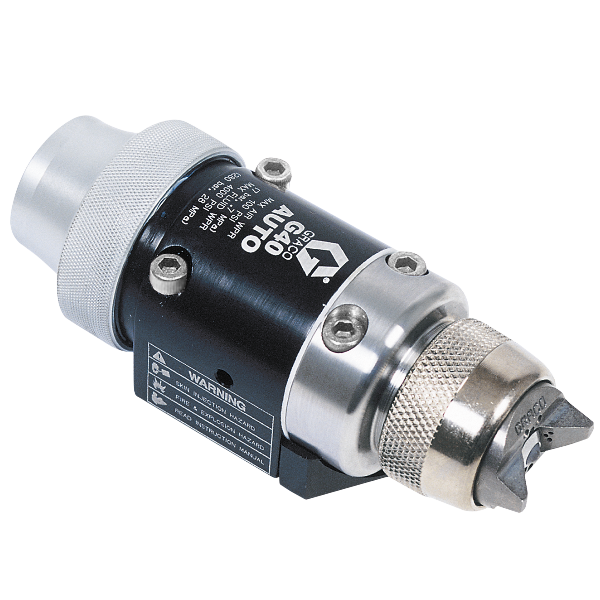
| Graco G40 Automatic | Automatic | Air-Assisted | Lightweight robotic finishing | Furniture/metal fab |
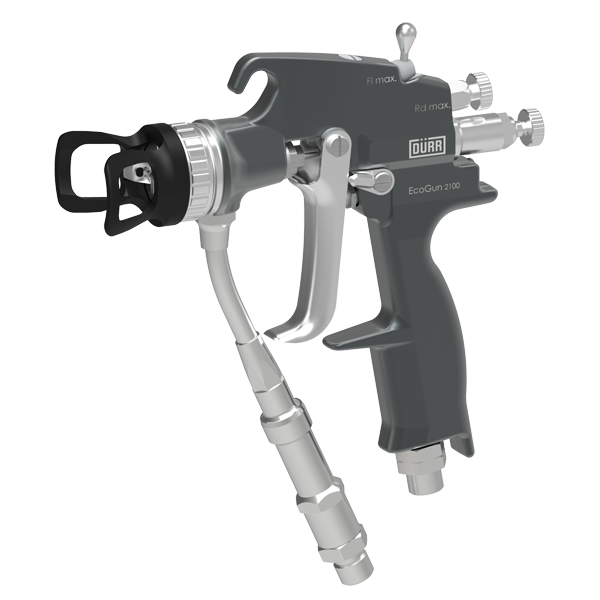
| Durr EcoGun 2100 AirCombi | Manual | Air-Assisted | Woodworking and machining | Furniture & metal |
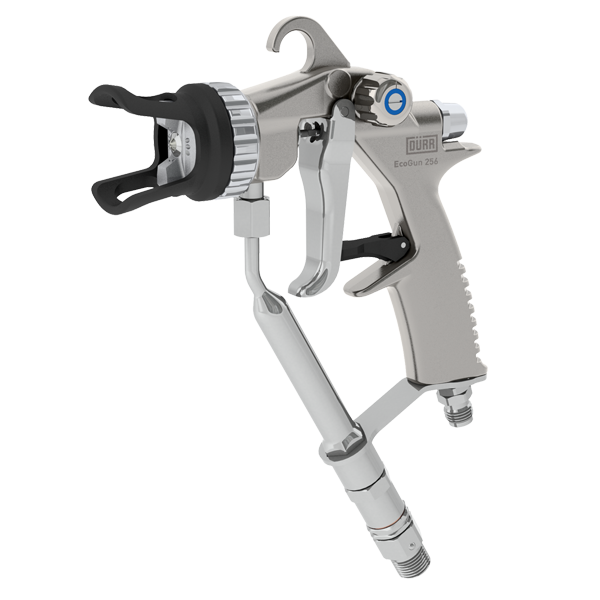
| Durr EcoGun 256 | Manual | Air-Assisted | Versatile industrial coating | General industrial |
| Durr EcoGun 246 | Manual | Air Spray (Pressure Feed) | Industrial primers, topcoats, adhesives | Manufacturing |
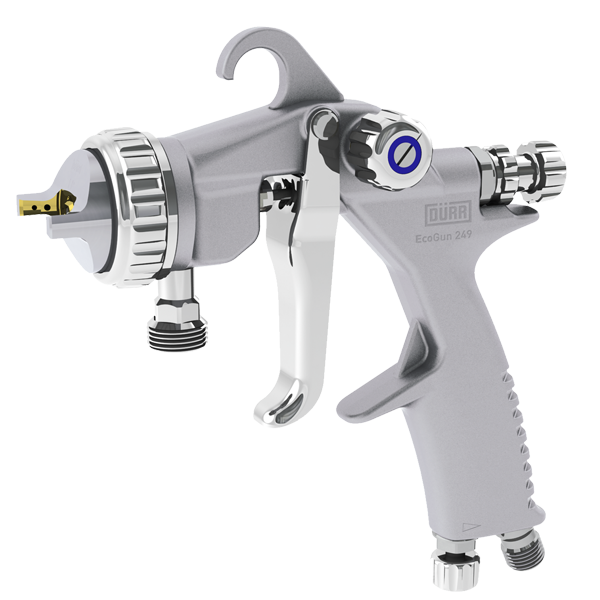
| Durr EcoGun 249 | Manual | Air Spray (Abrasive) | Ceramics and abrasive coatings | Glazes, enamels |
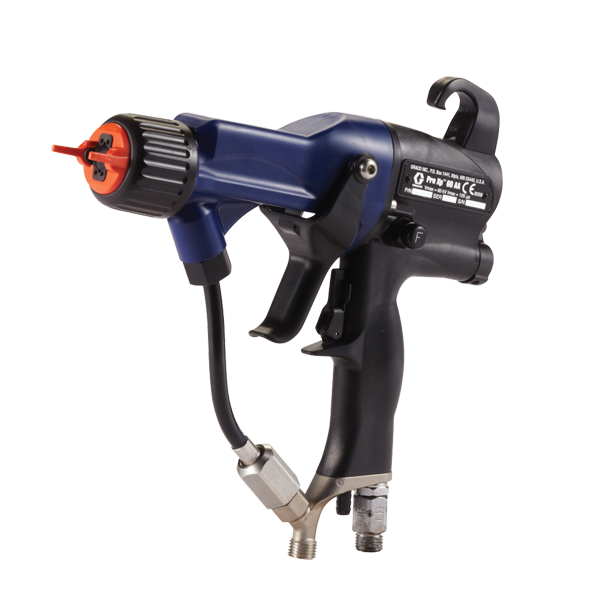
| Graco ProXp AA | Manual | Electrostatic Air-Assist | High-speed efficiency + savings | High-volume parts |
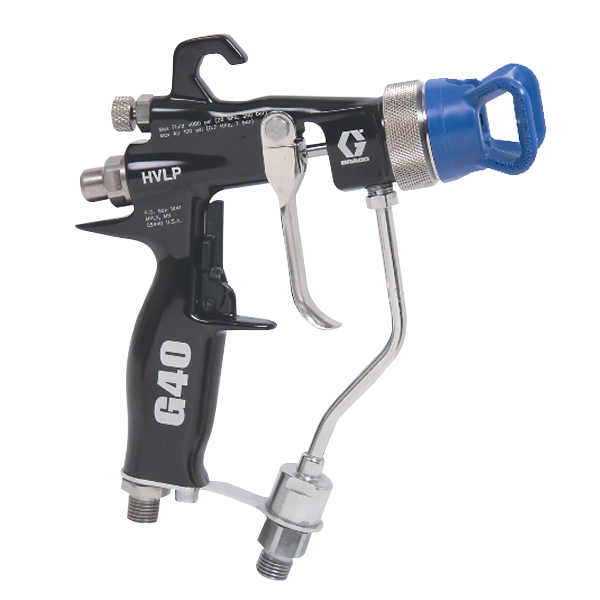
| Graco G40 Premium | Manual | Air-Assisted Airless | Fine finish on-site | Doors, trim, cabinetry |
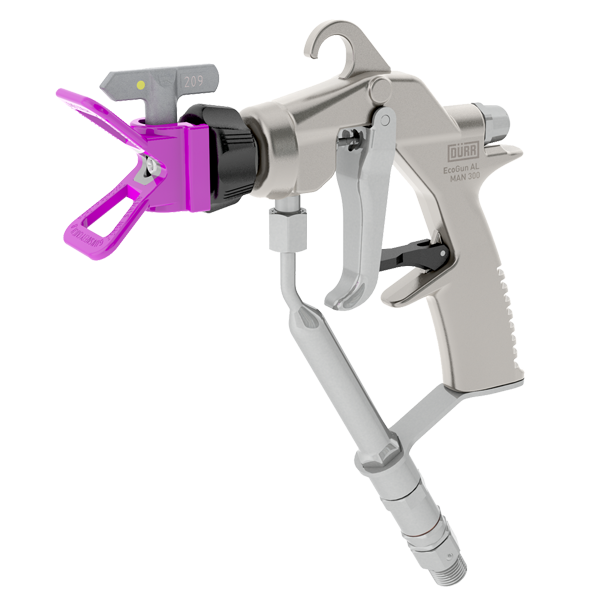
| Durr EcoGun AL MAN 300 | Manual | Airless | Structural and difficult reach | Roofs, ceilings, pipes |
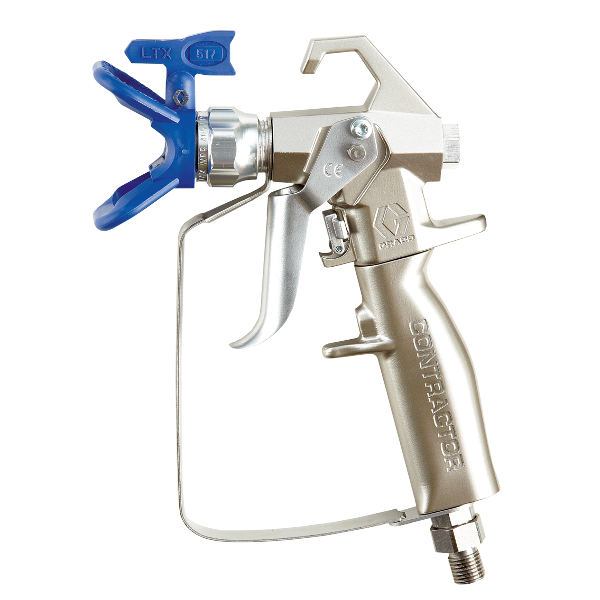
| Graco CONTRACTOR & FX | Manual | Airless | General construction | Walls and ceilings |
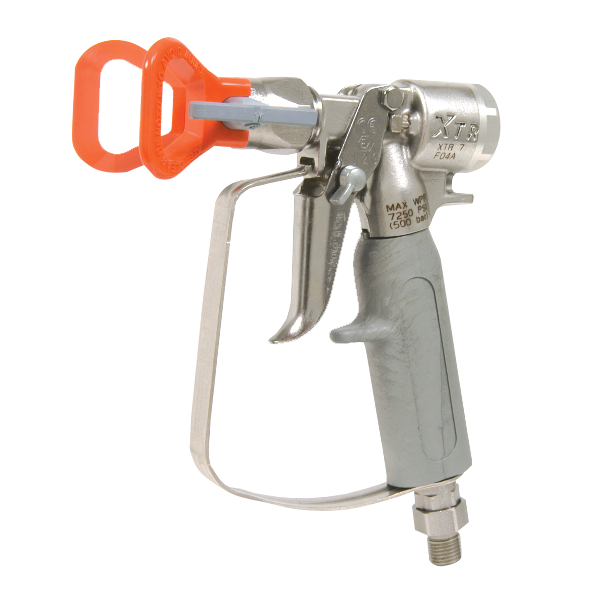
| Graco XTR-5 & XTR-7 | Manual | Airless (Extreme Duty) | Ultra-thick protective coatings | Marine, mining, tanks |
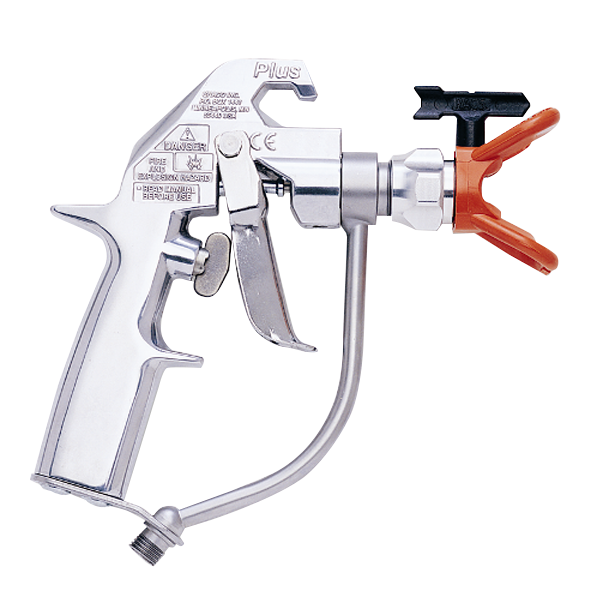
| Graco Silver Plus | Manual | Airless | Heavy infrastructure durability | Bridges, rails, tanks |
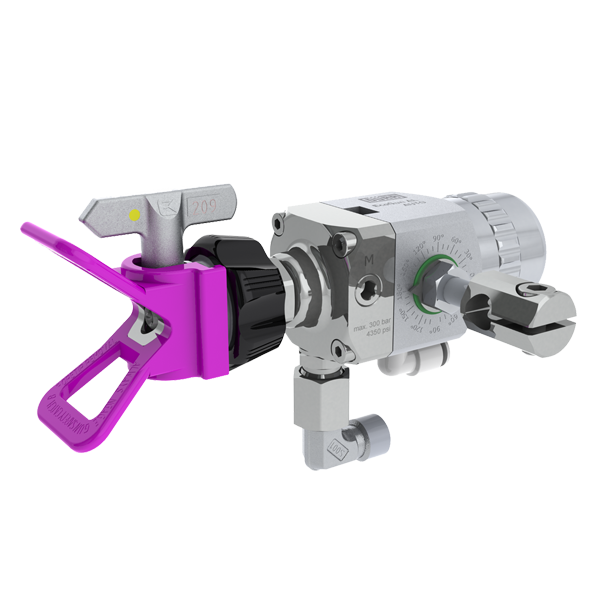
| Durr EcoGun AL Auto | Automatic | Airless | Automated heavy coating | Structural steel |
Validate Your Painting Gun Selection
If you want to validate your selection quickly and avoid costly trial-and-error, Minex specialists can help you confirm the best-fit painting gun based on your real operating conditions.
Share four practical details and we can recommend the most suitable solution from the Minex portfolio:
- whether the application is manual or automatic,
- the coating type and viscosity behavior,
- whether the priority is finish quality or throughput,
- any special constraints (abrasive media, tight spaces, complex part geometry, or transfer-efficiency targets).
Contact Minex for product selection support, configuration guidance, and quotation requests — and ensure the solution matches your process from day one.
Frequently Asked Questions
The clearest way to choose is to decide what you are protecting: finish quality or throughput. If you need maximum control for a visually critical surface, air spray is typically the better choice. If you need a meaningful increase in output while keeping a stable finish, air-assisted airless is often the most practical upgrade path. The difference becomes most visible when production speed increases or when coatings trend toward higher viscosities.
Electrostatic technology is usually chosen when efficiency is a measurable objective. If overspray waste is costly, if parts have complex geometry that is difficult to coat evenly, or if transfer efficiency directly affects unit economics, electrostatic spray becomes compelling. It is also a strong choice when you want more uniform coverage on tubular or complex parts through the wrap-around effect.
Clogging is typically a mismatch between viscosity and nozzle capability. The most reliable prevention is choosing a gun designed to handle the viscosity range of your materials. In the Minex portfolio, this is exactly why the EcoGun 116 exists for thicker media such as primers and fillers, while the EcoGun 119 is oriented toward finer coatings and spot repair applications.
If the process demands flexibility, variable parts, or operator-controlled finishing, manual is typically the right foundation. If coating is part of a repeatable production cycle, or if quality depends on minimizing variation between parts, automatic or robotic solutions become the natural direction. The decision is less about company size and more about how stable the process must be.
Airless is often the preferred solution for thick protective coatings, but not always. If the coating is protective yet the finish still needs refinement, air-assisted airless can be a better balance. Airless becomes the dominant choice when film build and speed are primary and when coatings are high-solid or viscous enough that other technologies struggle.
In most operations, one gun cannot excel equally at both extremes. Fine finishing and heavy priming create conflicting demands on nozzle size, atomization, and flow. The most stable approach is to separate the objectives and use dedicated tools: a fine-control air spray solution for topcoats, and a thicker-media-compatible gun (or airless/air-assist) for primers and fillers.