Climate Monitoring
Industrial Climate Monitoring Equipment for Protective Coatings and Anti Corrosion Coatings
In industrial environments, climate monitoring is a vital control process for any project involving protective coatings or anti-corrosion systems. Environmental conditions determine whether a coating will bond correctly to steel, whether corrosion protection will perform as designed, and whether inspections will satisfy contractual specifications.
Coating performance depends on more than formulation. Temperature, moisture, surface condition, air movement, and curing heat directly affect how coatings behave. When environmental conditions fall outside acceptable limits, coating defects occur-including poor adhesion, blistering, premature corrosion, or complete bond failure.
For engineers responsible for inspections, procurement and project execution, selecting the correct climate monitoring equipment is essential to:
- determine environmental compliance before coating is applied
- protect steel and other materials from moisture exposure
- prevent corrosion caused by condensation
- maintain coating performance over time
- log data for inspections and audits
- ensure project success under international standards
Minex Group distributes a broad range of Elcometer climate monitoring equipment specifically designed for industrial protective coatings and anti-corrosion applications. The following guidance explains how to select the appropriate equipment based on project requirements and environmental risk.
Why Climate Monitoring is Critical for Coating Performance and Corrosion Protection
In protective coatings and anti corrosion coatings, even minor variations in temperature or moisture can significantly affect the coating form and bond to the surface.
For example, when coating is applied to steel that is near the dewpoint temperature, invisible moisture may form on the surface. This thin layer of water - often undetected during visual inspections - can introduce contaminants and prevent proper adhesion. Corrosion may begin beneath the coating film, even though the coating appears intact.
In marine environments exposed to sea water spray or high humidity, condensation risks increase. Corrosion can occur rapidly if environmental parameters are not controlled.
Climate conditions vary depending on:
- geographical location
- indoor or outdoor operation
- ventilation volume
- presence of heat sources
- project schedule constraints
Because of this, climate monitoring equipment must be selected carefully to match the nature of each project. A single temperature reading is often insufficient to determine whether conditions are acceptable for coating application.
Determining Measurement Requirements: When a Dew Point Meter Becomes Essential
The first step in selecting equipment is to determine the measurement form required.
Some operations require only surface temperature readings. For example:
- Checking steel temperature prior to blasting
- Verifying liquid coating bath temperature
- Screening confined space ventilation
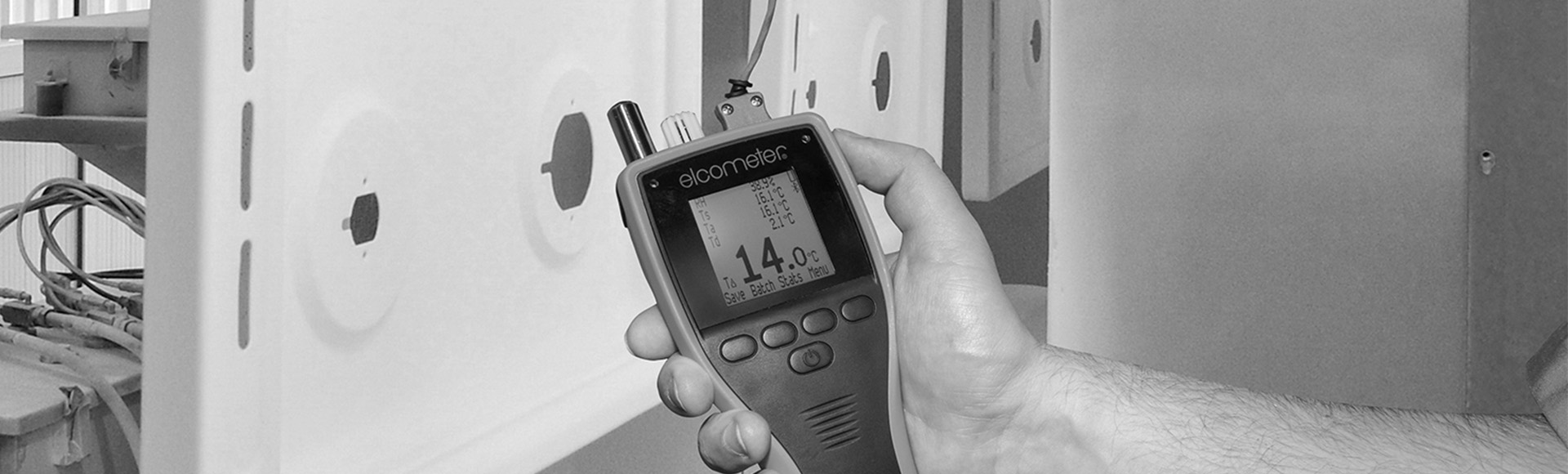
In protective coatings and anti-corrosion inspections, multi-parameter monitoring is required. A digital dew point meter allows inspectors to measure the critical parameters needed to ensure coating application can proceed safely.
Condensation risk depends on the relationship between surface temperature and dewpoint. If steel temperature falls within 3°C of the dewpoint, moisture may form, damaging adhesion and reducing coating performance. By measuring this relationship, engineers can determine whether conditions are safe for coating application.
In high-volume coating projects, logging environmental readings ensures traceability and protects against disputes during inspections.
Surface Temperature, Contact Methods and Non-Contact Methods
Temperature measurement can be performed using contact or non-contact methods, depending on operational requirements.
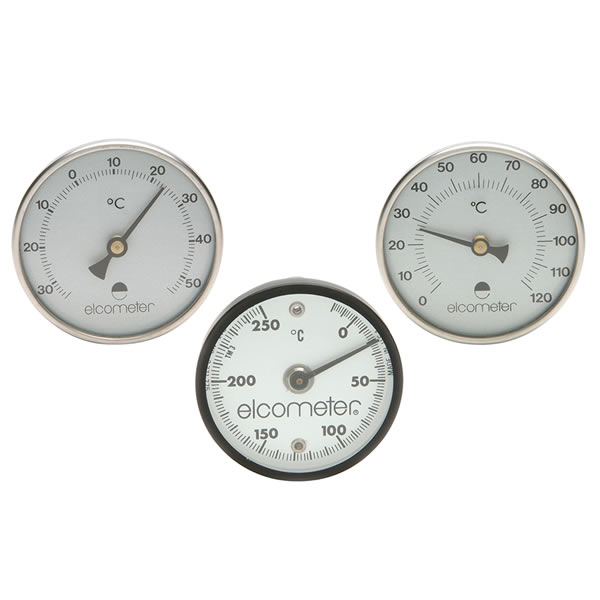
Contact instruments are ideal when continuous monitoring of steel surface temperature is required. Magnetic thermometers attach securely to ferromagnetic steel, allowing hands-free monitoring during blasting or coating preparation. Probe-based contact thermometers offer greater versatility through interchangeable probe types, supporting a broad temperature range across concrete inspection, liquid materials, and harsh industrial environments.
Non-contact infrared technology is ideal for measuring hot surfaces, moving components, or areas unsafe for direct contact. This approach prevents contamination and protects inspectors from heat exposure.
Each method offers distinct advantages. Experienced engineers often deploy both depending on project requirements.
Moisture, Water Exposure and Marine Conditions
Water exposure remains one of the most common causes of coating failure and corrosion.
In coastal environments exposed to sea water, or in operations involving water spray, condensation may occur more frequently. Moisture can damage steel substrates before coating is applied and may continue to affect adhesion if environmental control is insufficient.
The ability to determine moisture risk accurately is therefore vital.
Digital dew point meter technology provides real-time dewpoint calculations, while manual instruments provide reliable methods where electronics may be restricted.
Manual methods remain essential in hazardous environments or where battery-powered electronics may fail or become broken.
Durability, Electronics Protection and Ingress Ratings
Industrial climate monitoring equipment must operate reliably under extreme conditions.
Blasting dust, high humidity, water spray and impact damage are common.
IP66 and IP67 protection ensures that electronics are sealed against water and contaminants. Without this protection, equipment may become unreliable during critical inspections.
Durable equipment protects investment and maintains measurement accuracy over long project durations.
Data Logging, Interface and Reporting for Inspections
Modern protective coatings inspections require more than handwritten notes.
Environmental data must be logged and integrated into reporting systems to ensure compliance with specifications such as ISO 8502-4 or ASTM E 337-B.
Digital equipment with logging capacity allows inspectors to generate automated QA reports, improving inspection efficiency and ensuring accurate documentation.
For large coating projects, traceable compliance protects contractors from disputes and ensures professional audit readiness.
High-Temperature Curing, Heat Exposure and Energy Efficiency
In powder coating and industrial finishing operations, curing temperature control directly affects coating performance.
Oven profiling equipment is designed to withstand extreme heat through thermal barriers and multi-channel probes.
By mapping heat distribution inside ovens, engineers can determine whether under-cure or over-cure conditions occur. Over-curing wastes energy and may damage coating form. Under-curing reduces adhesion and long-term corrosion resistance.
Monitoring curing heat efficiently protects coating quality and optimizes energy use.
Matching Equipment to Project Requirements
Climate monitoring requirements vary depending on:
- project size
- coating type
- substrate materials
- environmental exposure
- inspection volume
- reporting requirement
Some projects require basic manual tools. Others require advanced digital dew point meter technology with full logging interface.
The correct solution depends on the nature of the project and the level of documentation required.
Minex Group provides technical guidance and customized recommendations to help engineers determine which Elcometer climate monitoring equipment best matches their operational needs.
Elcometer Climate Monitoring Equipment Distributed by Minex Group
The following equipment is distributed by Minex Group for industrial climate monitoring applications:
| Product | Best Use Cases (Industry Focus) | Key Capabilities & Benefits |
| Elcometer 113 Magnetic Thermometers | Surface Preparation & Blasting; Steel Structures | Battery-free contact monitoring of steel surface temperature. Magnetic attachment for continuous operation. |
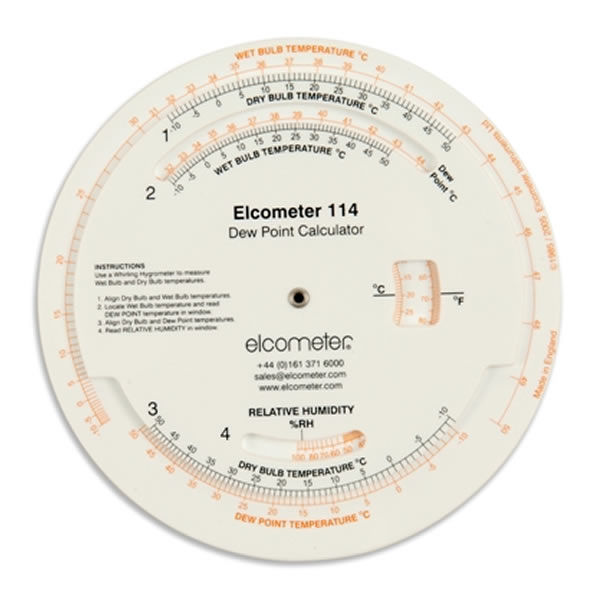
| Elcometer 114 Dewpoint Calculator | Protective Coatings; Anti Corrosion Coatings | Manual dewpoint determination method. ±1% accuracy using psychrometric charts. No electronics required. |
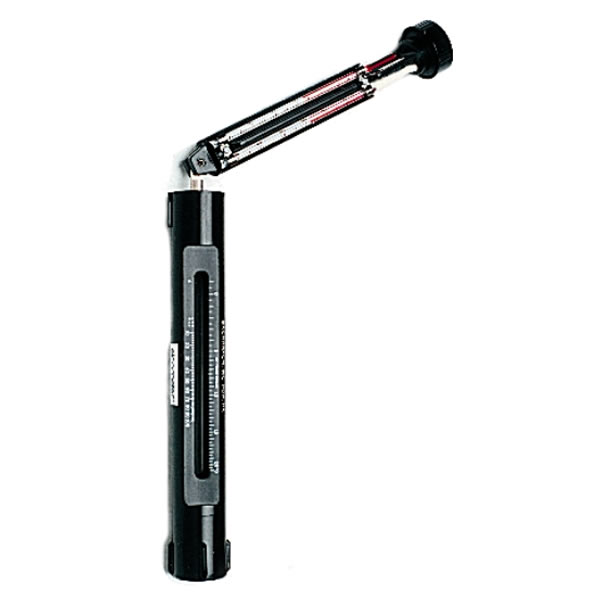
| Elcometer 116A Whirling Hygrometer / 116C Sling Hygrometer | Protective Coatings Inspections | Manual RH and dewpoint measurement. 116A is Celsius only. 116C is self-contained with inbuilt slide rule and available in °C and °F. Meets ASTM E 337-B specifications. |
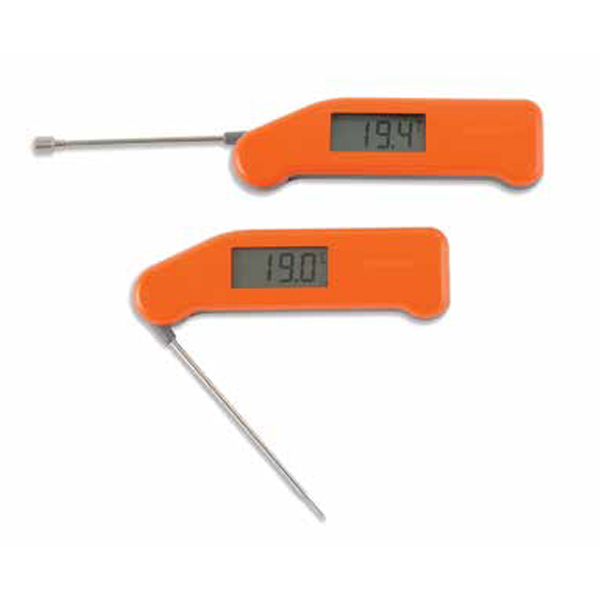
| Elcometer 212 Digital Pocket Thermometer | Liquid Coating and General Manufacturing | Fast temperature readings with folding probe. Designed for efficient daily operation. |
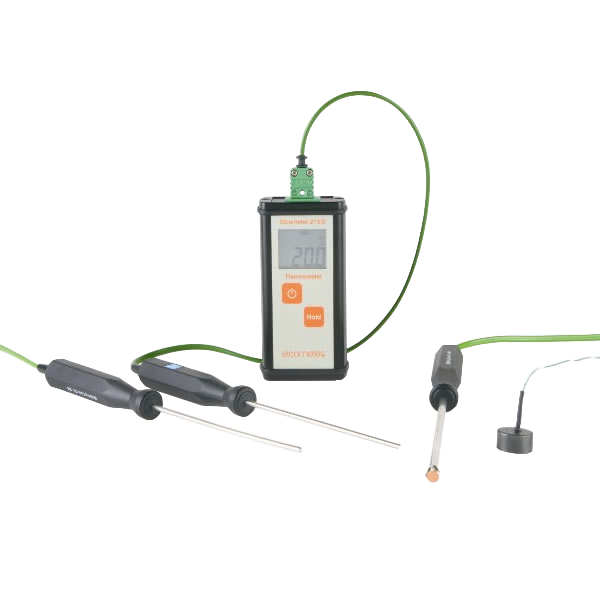
| Elcometer 213/2 Digital Waterproof Thermometer | Concrete Inspection; Harsh Environments | IP66/IP67 sealed electronics. Supports a broad temperature range with interchangeable K-type probes (sold separately). Multiple probe types available: liquid, surface, magnetic surface and needle. |
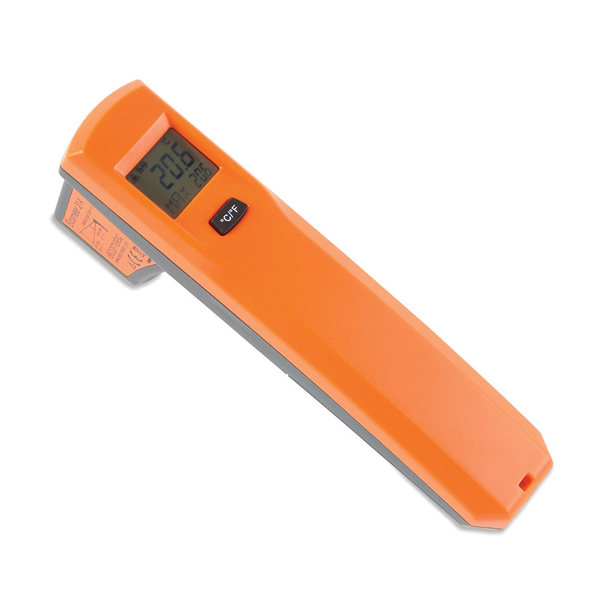
| Elcometer 214L Infrared Digital Laser Thermometer | Automotive and High-Temperature Applications | Non-contact temperature measurement. Safe, efficient and contamination-free. |
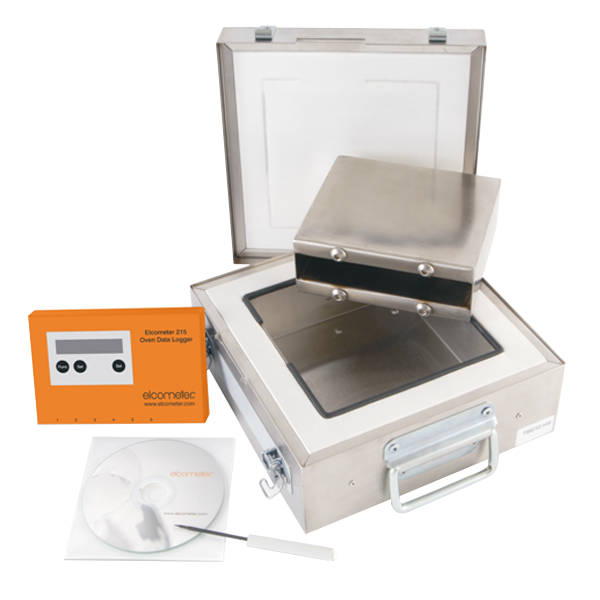
| Elcometer 215 Oven Data Logger | Powder Coating and Curing Ovens | Simultaneous oven profiling across 6–8 temperature channels. Memory capacity from 260,000 up to 1,000,000 readings. Thermal barriers withstand heat up to 300°C. |
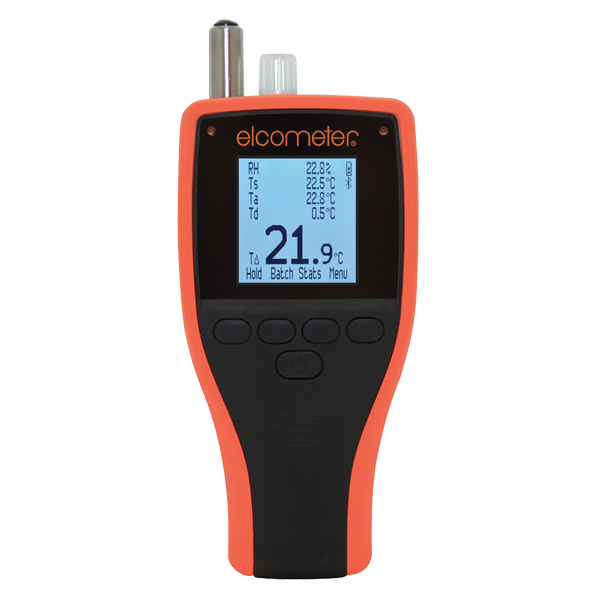
| Elcometer 319 Digital Dewpoint Meter (Model S / Model T) | Protective Coatings and Anti Corrosion Coatings | Measures RH, Ta, Ts, Td and TΔ plus Wet-bulb (Twb), Dry-bulb (Tdb) and Specific Humidity (SH). Model S stores last 10 readings only. Model T includes Bluetooth/USB and 25,000-reading memory for full audit trails. IP66 sealed housing. ISO 8502-4 compliant. |
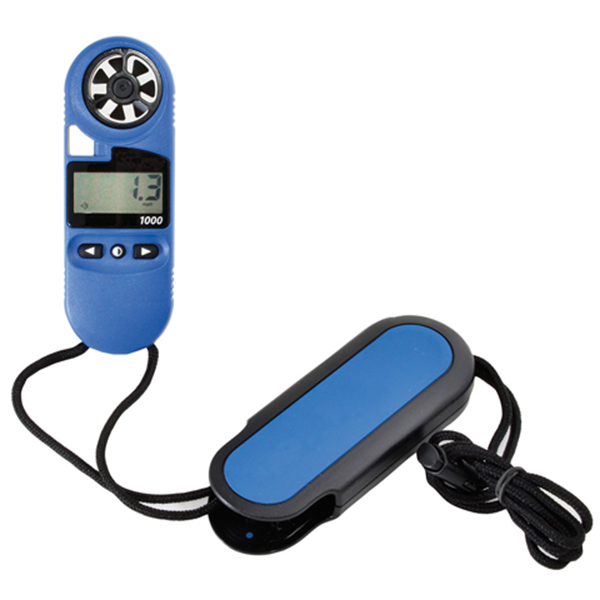
| Elcometer 410 Anemometer | Surface Preparation; Ventilation Inspections | Measures airflow in confined spaces. Waterproof and floats in water. Replaceable impeller for efficient maintenance. |
Technical Recommendations and Expert Support
Selecting climate monitoring equipment is not necessarily straightforward. Requirements vary depending on coating type, project scope and environmental exposure.
If you are unable to determine which dew point meter, thermometer or oven profiling equipment is required for your project, Minex Group specialists can provide expert guidance and customized recommendations.
Properly selected equipment helps protect steel, protect materials, maintain coating performance, ensure inspections compliance and ultimately protect the long-term success of your anti corrosion coatings project.
Contact Minex Group to discuss your climate monitoring requirement and ensure your next coating project is implemented efficiently, safely and in full compliance with specifications.
Frequently Asked Questions
Industry standards generally require that steel surface temperature remains at least 3°C (5°F) above the dewpoint before coating is applied. If the temperature difference is smaller, invisible moisture may form on the substrate.
This thin moisture layer can interfere with adhesion, trap contaminants, and initiate corrosion beneath the coating film. Even when the coating appears intact, failure may occur later due to poor bond formation during application.
Maintaining adequate separation between surface temperature and dewpoint is therefore essential for long-term corrosion protection.
No. A single air temperature reading does not provide sufficient environmental control data.
Protective coatings inspections require multiple parameters to determine whether conditions are compliant. These typically include relative humidity, air temperature, surface temperature, dewpoint temperature and the temperature difference between surface and dewpoint.
Without this complete picture, condensation risk cannot be assessed accurately.
The choice depends on the nature of the operation.
Non-contact measurement is appropriate when surfaces are extremely hot, moving, difficult to access or where physical contact could contaminate the coating.
Contact measurement is preferred when continuous monitoring of steel temperature is required or when stable, equilibrium readings are needed during blasting or pre-heating.
Both methods are commonly used together on larger projects.
Manual instruments remain reliable in environments where electronics are restricted or not permitted.
Digital dew point meter technology, however, provides faster environmental assessment and supports automated documentation. This improves inspection efficiency and allows environmental data to be stored for reporting and audit purposes.
The choice depends on the project requirement, inspection documentation needs and site constraints.
Humidity plays a significant role in coating cure behaviour.
Some coatings require controlled humidity levels to cure properly, while excessive moisture can delay solvent evaporation or cause surface defects. If humidity is outside the specified range, curing performance may be compromised.
Monitoring humidity ensures the coating forms a consistent, non-porous barrier designed to protect steel against corrosion.
Oven profiling is the process of mapping temperature distribution inside a curing oven to verify that coated components reach the required cure cycle.
If insufficient heat is applied, under-curing may occur, leading to poor adhesion and reduced corrosion resistance. If excessive heat is applied, coating properties may degrade and energy consumption increases.
Profiling ensures consistent coating performance across production batches and supports quality assurance documentation.
Industrial environments often involve dust, water spray, humidity and impact risk.
Equipment without adequate ingress protection may fail during inspections, resulting in downtime or unreliable data. Sealed electronics and robust housing ensure instruments remain operational under harsh conditions.
For marine projects or blasting environments, this protection is particularly important.
Yes, in many cases.
Airflow affects solvent evaporation, safety conditions and overall coating performance. In confined spaces or enclosed facilities, insufficient ventilation can lead to solvent entrapment or unsafe vapour concentrations.
Measuring airflow helps ensure a safe and compliant working environment.
Environmental readings must be documented in a structured and traceable form.
Modern inspection practice relies on equipment capable of storing measurement data and integrating it into reporting software. This allows inspectors to generate professional documentation demonstrating that environmental conditions remained within specification throughout the project duration.
Clear documentation protects contractors and provides transparency to clients.
Yes.
Magnetic thermometers are specifically designed to remain attached to ferromagnetic steel surfaces, enabling hands-free and continuous monitoring of surface temperature during surface preparation and pre-heating phases.
They provide a simple and reliable method for ongoing temperature observation without requiring constant operator intervention.