Other Measuring and Control Equipment
Industrial Measurement & Control Equipment Selection Guide
In industrial environments, measurement is never a secondary activity. It defines compliance, validates performance, prevents failure, and protects both people and assets.
Whether you are responsible for quality assurance in coatings, structural integrity in concrete, fastener reliability in mechanical assemblies, or operational reliability in heavy machinery, the industrial measurement equipment you select determines the credibility, accuracy, and long-term defensibility of your test results.
As an equipment distributor, Minex Group provides access to specialized industrial measurement equipment, testing tools, and precision instruments used across coatings, surface preparation, construction, manufacturing, fastening systems, and structural maintenance applications.
These instruments and devices are designed to measure, monitor, detect, and analyze critical parameters such as load, tension, stress, viscosity, hardness, permeability, and surface condition.
Your Responsibility, Our Support
The responsibility of selecting the correct equipment remains with the technical team. Instrument choice must be aligned with operational requirements, structural design intent, and compliance frameworks.
Who This Guide Serves
This guide is written as a practical consultancy document for engineers, operational managers, laboratory supervisors, and procurement specialists who need clarity before making a technical decision that affects:
- Structural performance
- Joint reliability
- Process stability
- Long-term monitoring accuracy
Defining the Measurement Objective Before Defining the Instrument
Successful industrial measurement equipment procurement begins with precisely defining what must be measured, why it must be measured, and how the measurement will drive performance decisions.
Surface gloss, substrate moisture, bolt elongation, coating hardness, rebar cover depth, permeability, impact resistance, density, dispersion, and viscosity are fundamentally different physical phenomena. Each requires specific measurement principles, dedicated testing tools, and appropriate accuracy thresholds.
Consider these examples:
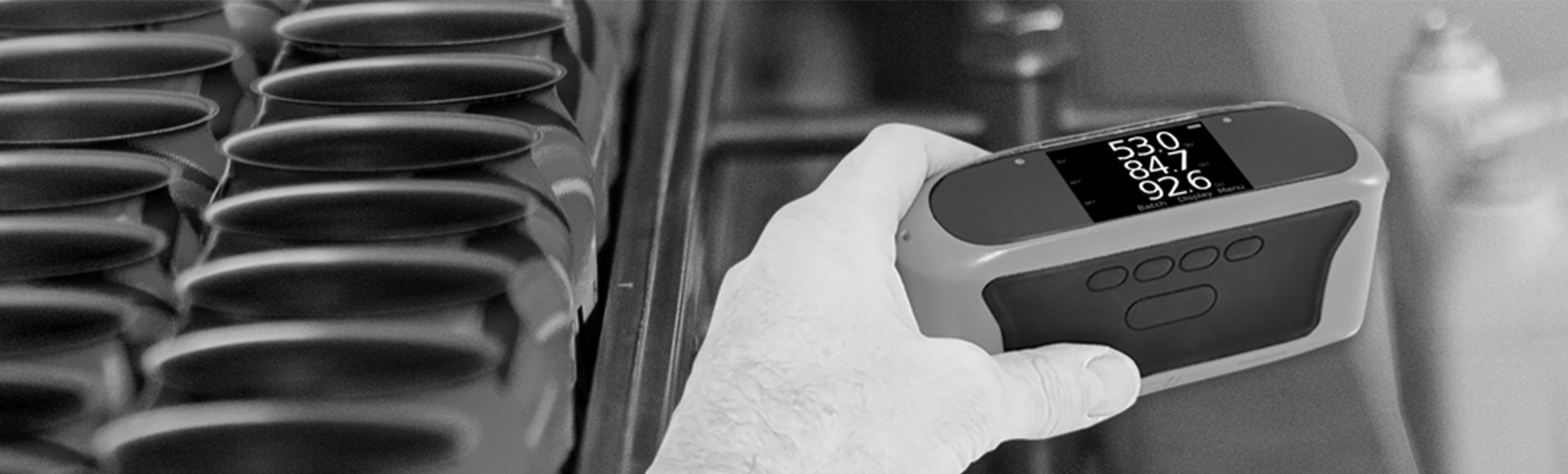
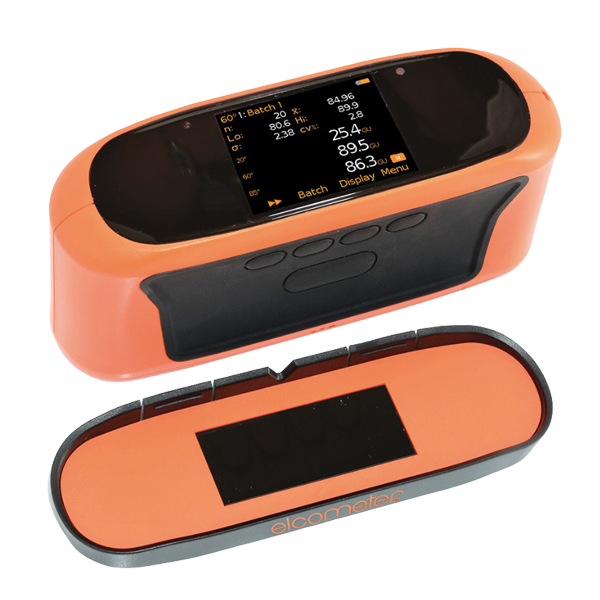
Measuring gloss with a single-angle device delivers reliable results for mid-sheen coatings, while high-gloss finishes benefit from instruments that also quantify haze and reflectance.
Estimating bolt tension with a torque wrench offers efficiency, yet friction variation within the fastener and joint can affect load accuracy. Torque indicates rotational resistance rather than actual bolt load. Ultrasonic bolt tension measurement isolates actual elongation of the fastener, measuring delta length change that directly correlates to preload and stress.
Assessing surface dryness through visual inspection confirms exterior conditions, while internal moisture content within a concrete structure requires direct measurement.
The Foundation of Selection
The foundation of instrument selection is therefore conceptual: What physical property must be quantified, and how does it influence structural integrity, joint load, coating performance, or regulatory compliance?
Once this is clearly established, the correct category of industrial measurement equipment can be confidently selected.
Compliance Requirements in European Industrial Projects
In European industrial environments, adherence to recognized standards forms the foundation of credible testing. Industrial measurement equipment that meets these standards ensures test results are interoperable across facilities, comparable across suppliers, and defensible during audits, performance analysis, and contractual review.
Understanding EU Metrology
EU metrology operates on two complementary axes:
Legal metrology, governed by directives such as the Measuring Instruments Directive (MID) 2014/32/EU, applies where measurement devices are used in regulated contexts tied to safety, trade, or defined accuracy classes.
Industrial metrology, which supports most quality-control instruments and testing equipment used in coatings, mechanical fastening, structural assessment, and laboratory environments, relies on EN / EN ISO / ISO methodologies. These standards are typically integrated directly into procurement requirements and client specifications.
The Practical Application
Your instruments, testing tools, and monitoring devices should align with applicable standards and provide traceable measurement accuracy.
Purpose-Based Instrument Categories
The instruments addressed in this guide are organized by measurement purpose:
- Rheology & consistency control
- Dispersion & particle analysis
- Film application & controlled sample preparation
- Mechanical surface resistance & hardness testing
- Structural integrity & concrete assessment
- Substrate environmental monitoring
- Physical property determination
- Mechanical fastening verification (ultrasonic bolt tension measurement)
Standards Follow Purpose
When you clearly identify what must be measured, you can confidently verify that your equipment, devices, and testing solutions meet recognized methodologies.
Applicable Standards Summary for Industrial Use
| Industrial Measurement Objective | Typical Instruments in This Category | Applicable Standards | Why This Matters in Selection |
| Consistency control (flow time / viscosity) | Flow cups (Elcometer 2350–2354); dip cups (Zahn/Shell/Frikmar); viscosity discs; digital stopwatch; calibration oils | ISO 2431; ISO 3219; ASTM D1084; ASTM D4212; ASTM D1200; DIN 53211 | Ensures correct viscosity measurement under controlled temperature conditions. Prevents formulation changes driven by non-comparable test results. |
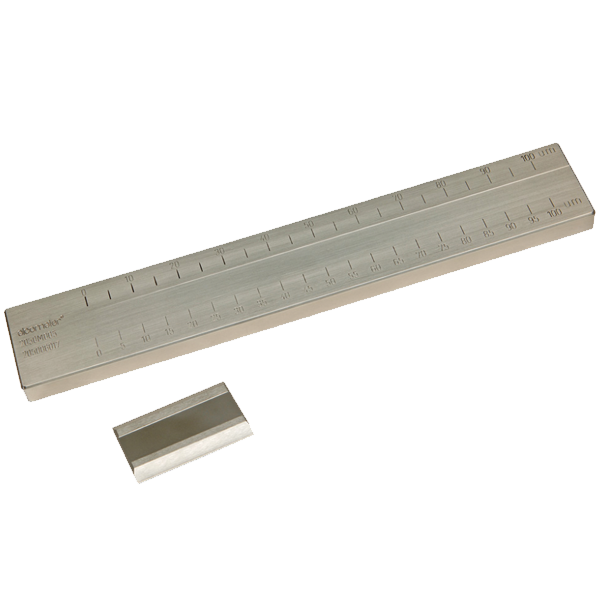
| Dispersion / fineness of grind | High precision grindometer | ISO 1524 / EN 21524; ASTM D1210 | Supports repeatable particle size measurement and coating performance consistency. |
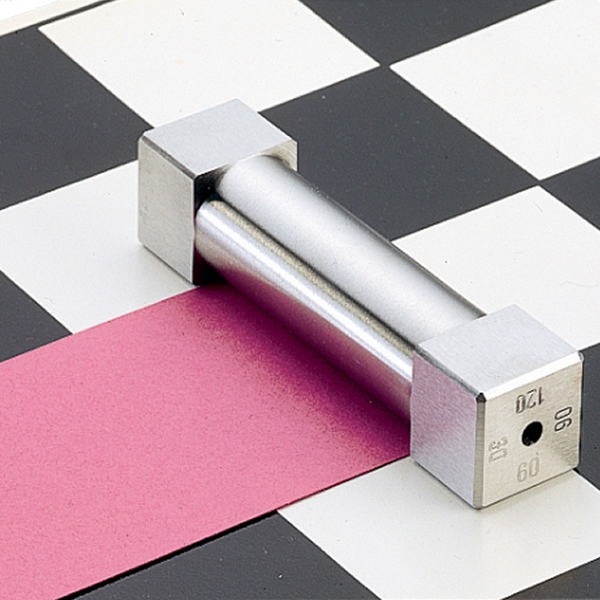
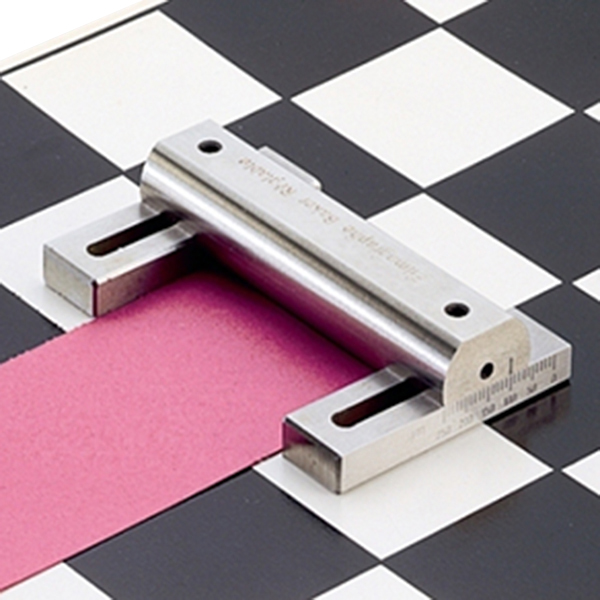
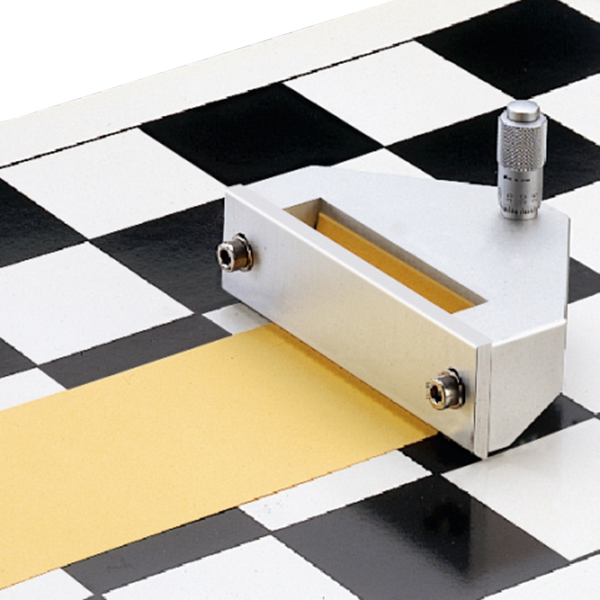
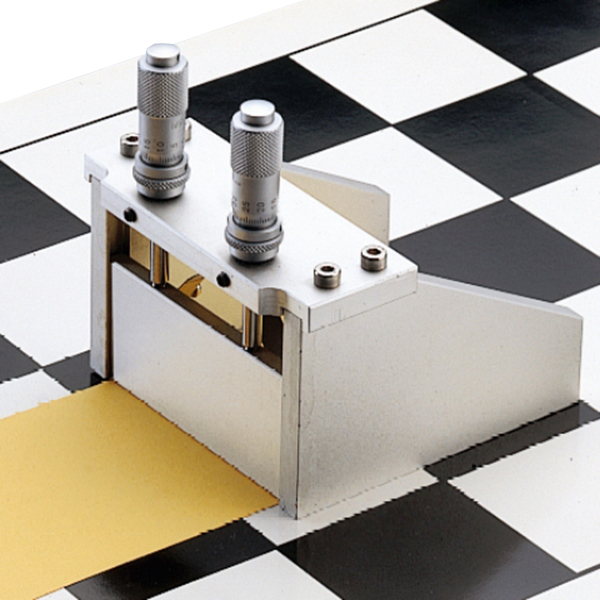
| Film application & sample preparation | Motorised film applicator; Baker applicators; casting knives; spiral bar coaters; 4-gap and cube applicators; Leneta test charts | ASTM D823; ASTM D4147; ASTM D1640; ISO 11998 | Ensures reproducible samples for downstream testing and reliable analysis. |
| Surface finish / gloss | Glossmeter | ASTM D523; ISO 2813 / EN ISO 2813; ASTM E430 | Protects gloss measurement accuracy and comparability. |
| Hardness of coatings and materials | Pencil hardness testers; Buchholz hardness tester; Barcol and Shore testers; sclerometer | ASTM D3363 / ISO 15184; ISO 2815; ASTM D2583; ASTM D2240 / ISO 868; ISO (glass industry, diamond point sclerometer) | Aligns hardness testing method with material design intent. |
| Deformation / impact resistance | Variable impact tester | ISO 6272; ASTM D2794 | Ensures controlled impact energy testing. |
| Permeability / water vapour transmission | Payne permeability cups | ASTM D1653; ASTM E96; ISO 7783 | Supports reliable water vapour transmission analysis. |
| Density / specific gravity | Density cups (picnometers) | ISO 2811-1; ASTM D1475 | Maintains batch consistency and measurable density accuracy. |
| Substrate pH / chemical monitoring | pH tester | ASTM E70 | Supports chemical compatibility validation. |
| Structural concrete assessment (rebound testing) | Concrete test hammer | EN 12504-2; ASTM C805; BS 1881:202 | Maintains correct interpretation of rebound number results. |
| Structural concrete assessment (cover depth & corrosion potential) | Concrete covermeter | ACI 318; ASTM C876-91; BS1881:201/204; DIN 1045 | Ensures reinforcement location and corrosion monitoring comply with structural design requirements. |
| Mechanical fastening verification | Ultrasonic bolt tension monitoring | ASTM E 797; EN 14127; EN 15317; ASME Section III / V | Ensures accurate bolt load and joint tension verification independent of torque variability. |
| Laboratory competence & traceability | All QA-related instruments | ISO/IEC 17025; ISO 9001 | Supports traceable measurement and defensible test results. |
| Legal metrological control | Measurement used in regulated contexts | Directive 2014/32/EU (MID) | Clarifies procurement requirements in regulated industrial environments. |
Minex Portfolio – Industrial Measurement & Control Equipment Overview
Below is the complete overview of instruments within this category, grouped by Measurement Category to support structured decision-making.
Structural NDT
| Product | Measurement Category | Best Use Case | Key Benefit | Operational Risk if Misapplied |
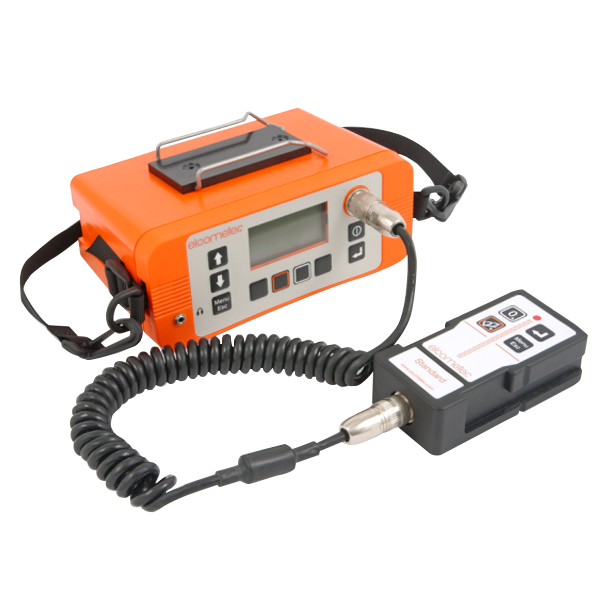
| Elcometer 331 Concrete Covermeter | Structural NDT | Rebar location, cover depth and corrosion potential | Combined cover & half-cell capability in IP65 unit | Structural damage from undetected rebar during drilling |
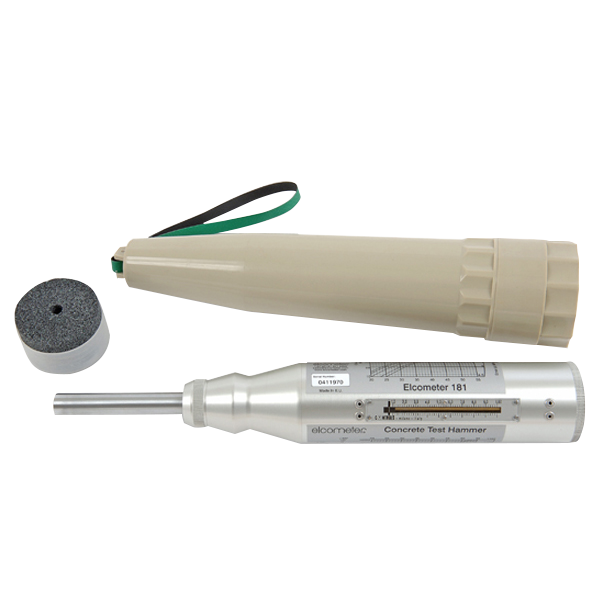
| Elcometer 181 Concrete Test Hammer | Structural NDT | Concrete compression resistance estimate | Rebound number evaluation | Ignoring angle correlations skews results |
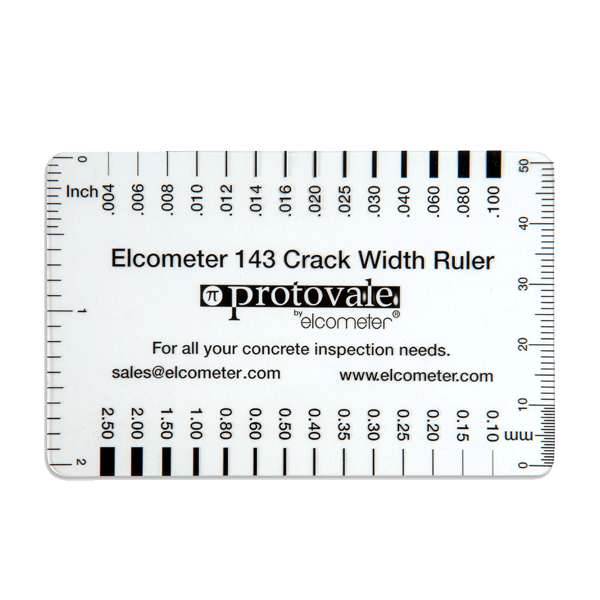
| Elcometer 143 Crack Width Ruler | Structural Integrity Monitoring | Visual crack sizing | 0.10–2.50mm graded gauge | Visual estimation leads to poor decisions |
Optical Surface Measurement
| Product | Measurement Category | Best Use Case | Key Benefit | Operational Risk if Misapplied |
| Elcometer 480 Glossmeter | Optical Surface Measurement | Multi-angle gloss and haze validation in coatings | High-speed digital measurement with RFID calibration | Invalid reflectance readings on curved/uncalibrated surfaces |
Mechanical Surface Resistance & Hardness
| Product | Measurement Category | Best Use Case | Key Benefit | Operational Risk if Misapplied |
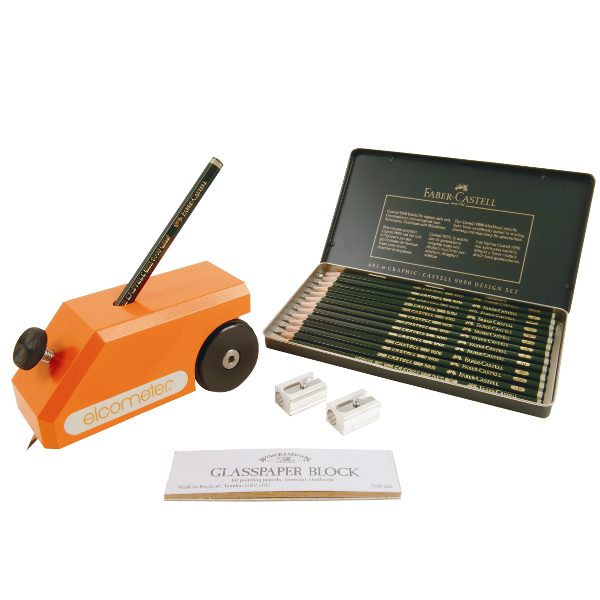
| Elcometer 501 Pencil Hardness Tester | Coating Hardness Testing | Scratch resistance classification | Standardized 45° / 7.5N force compliance | False pass/fail due to operator deviation |
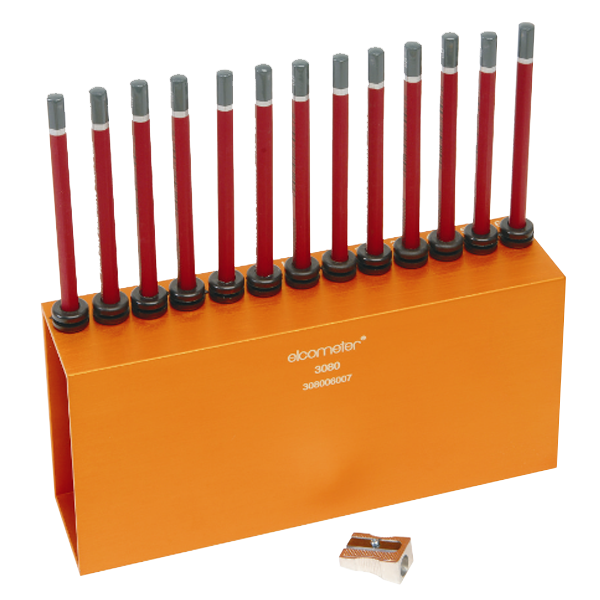
| Elcometer 3080 Pencil Hardness Tester | Coating Hardness Testing | Quick visual pass/fail | Utilizes 14 pencils (6B to 6H) | Inconsistent pressure affects results |
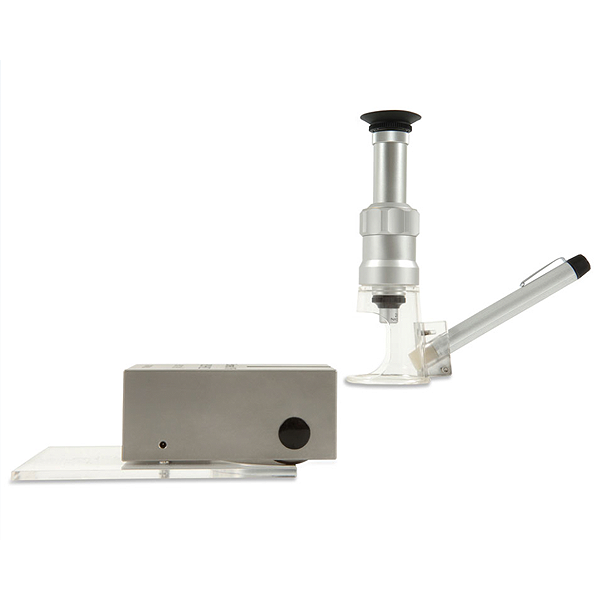
| Elcometer 3095 Buchholz Hardness Tester | Mechanical Surface Resistance | Indentation resistance | Constant 500g load with microscope evaluation | Misreading indentation reduces comparability |
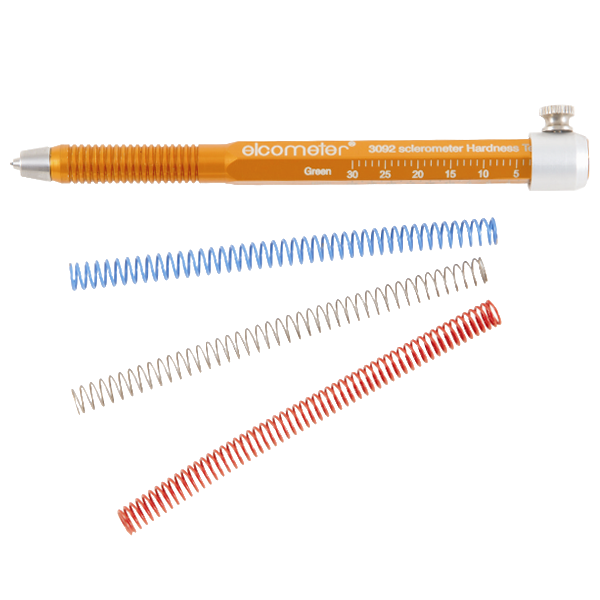
| Elcometer 3092 Sclerometer | Mechanical Surface Resistance | Pocket hardness checks | Interchangeable spring ranges (0–30N) | Wrong force selection affects results |
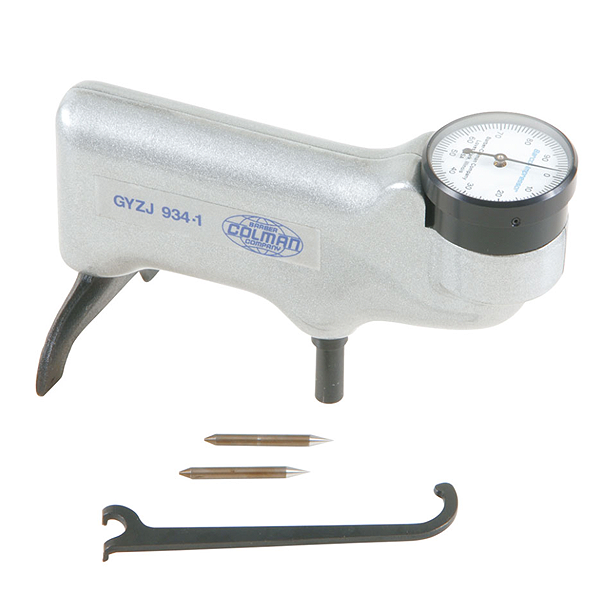
| Elcometer 3101 Barcol Hardness Tester | Mechanical Resistance | Hardness classification of soft metals/fibreglass | Immediate Barcol unit reading | Wrong material selection invalidates data |
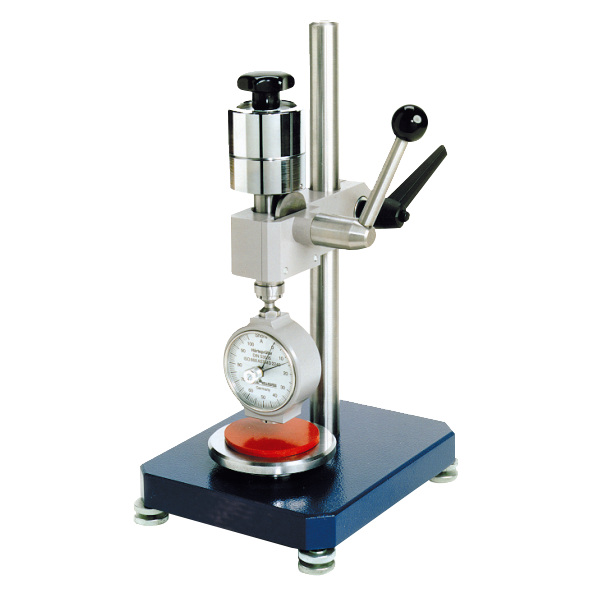
| Elcometer 3120 Shore Durometer | Mechanical Resistance | Rubber and plastic hardness | Shore A (soft elastomers); Shore D (hard plastics) | Wrong scale selection invalidates classification |
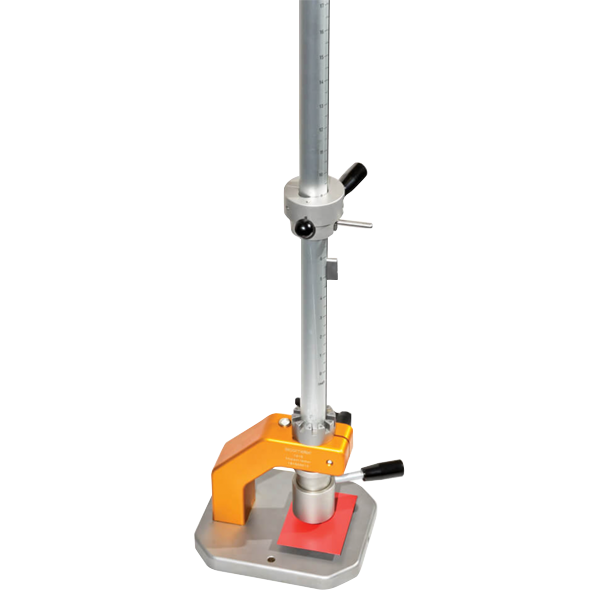
| Elcometer 1615 Variable Impact Tester | Deformation and Toughness Testing | Coating impact resistance | Graduated tube and adjustable drop height | Non-standard impact data |
Rheology & Consistency Control
| Product | Measurement Category | Best Use Case | Key Benefit | Operational Risk if Misapplied |
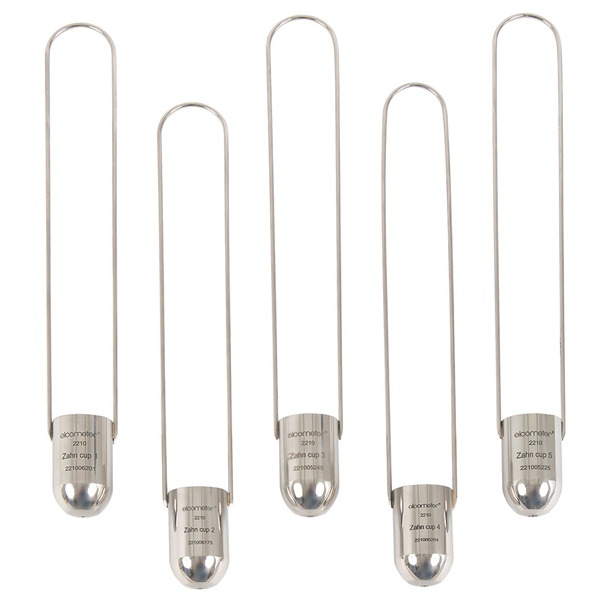
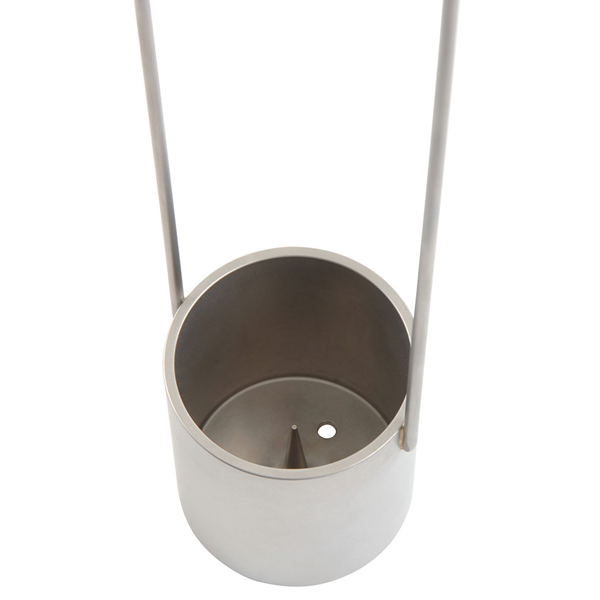
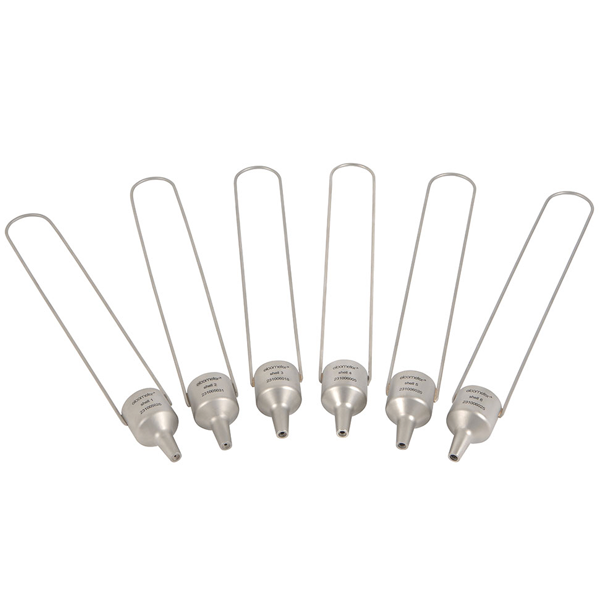
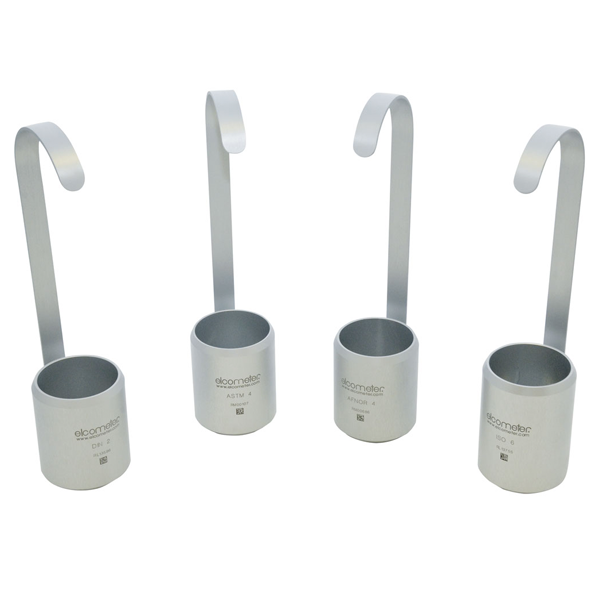
| Elcometer Viscosity Dip Cups (Zahn, Shell, Frikmar) | Fluid Consistency | Rapid on-site viscosity checks | Portable and quick batch indication | Treating field checks as laboratory-equivalent data |
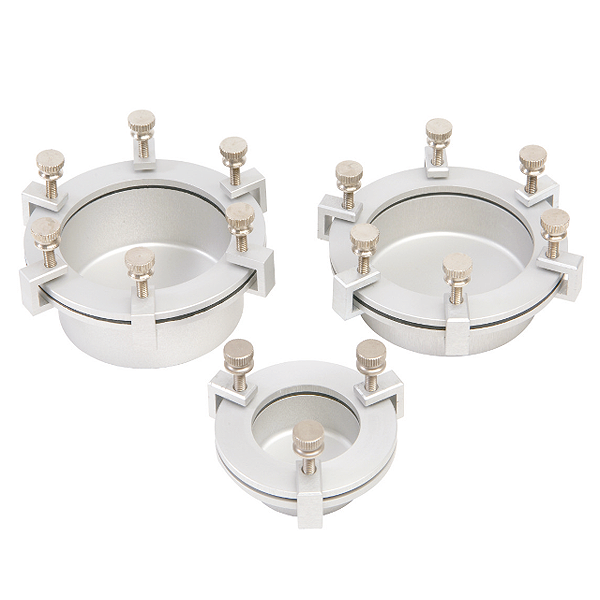
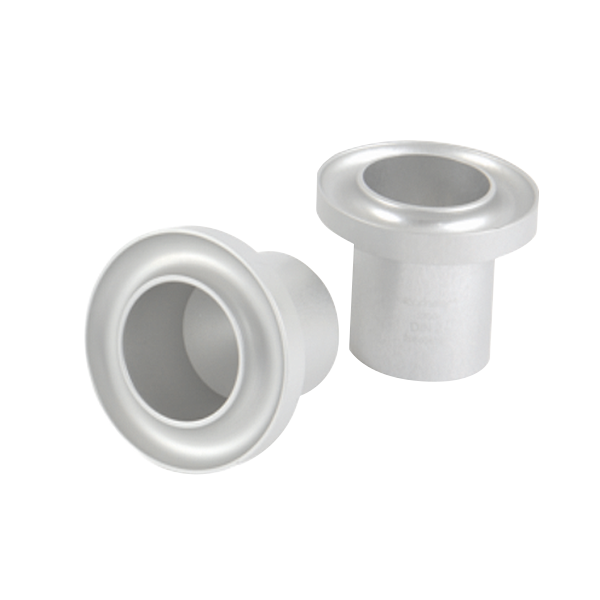
| Elcometer 2350–2354 Flow Cups | Fluid Consistency | Controlled viscosity measurement | Designed for use with stands, levels, glass plates and thermojackets | Temperature drift affects results |
| Elcometer 2215 Lory Cup | Fluid Consistency | Needle-based flow endpoint measurement | Different measurement principle from drain-time cups | Misinterpreting endpoint |
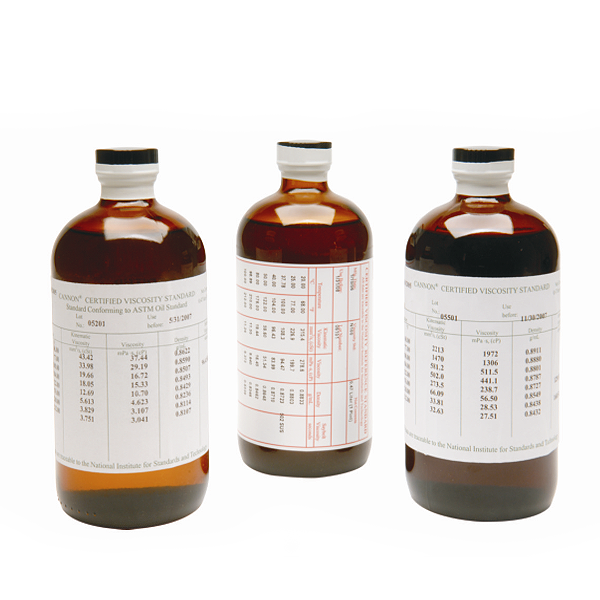
| Elcometer 2410 Calibration Oils | Testing Consumables | Verifying cup calibration | Maintains efflux accuracy | Systemic viscosity errors |
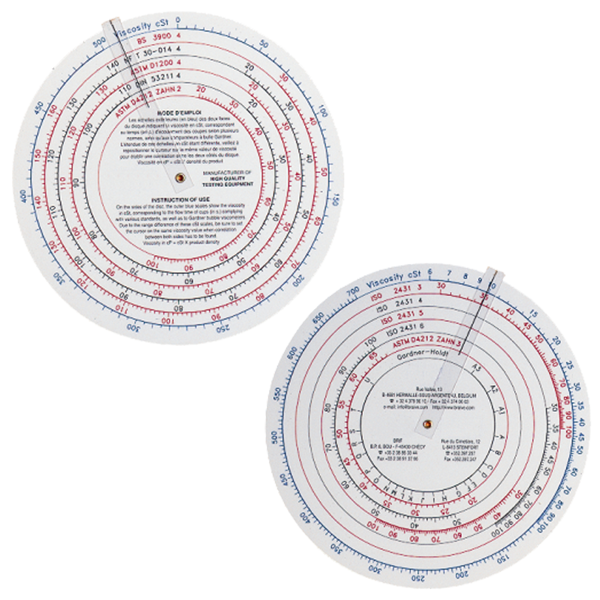
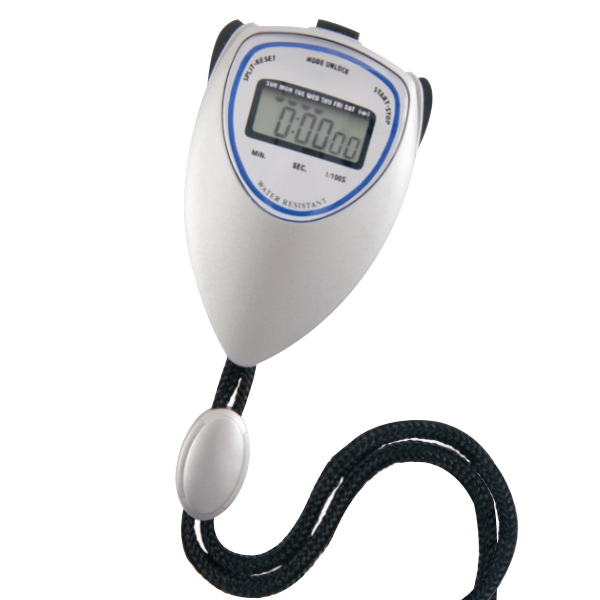
| Elcometer 2400 Viscosity Disc & 7300 Digital Stopwatch | Testing Accessories | Timing and seconds-to-cSt conversion | Reduces operator timing variability | Conversion miscalculations |
Dispersion & Physical Property Determination
| Product | Measurement Category | Best Use Case | Key Benefit | Operational Risk if Misapplied |
| Elcometer 2050 High Precision Grindometer | Dispersion and Particle Analysis | Particle size / fineness of grind | Stainless gauge with micron precision | Poor dispersion affects finish |
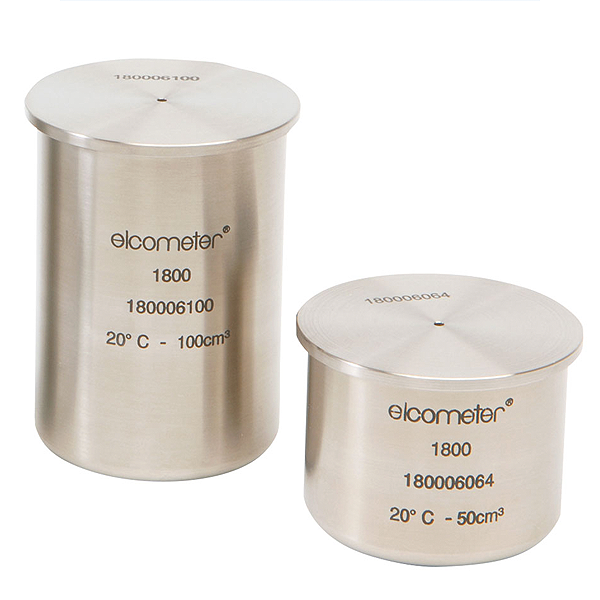
| Elcometer 1800 Density Cups (Picnometers) | Physical Property Determination | Specific gravity / density | Precision 50cc/100cc cups | Air entrapment biases results |
| Elcometer 5100 Payne Permeability Cup | Permeability Testing | Water vapour transmission | Controlled test area and mass change | Leakage errors distort results |
Film Application & Sample Preparation
| Product | Measurement Category | Best Use Case | Key Benefit | Operational Risk if Misapplied |
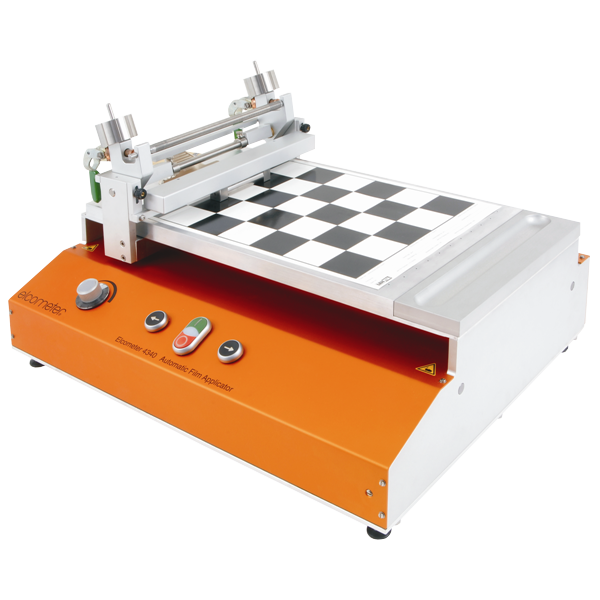
| Elcometer 4340 Motorised Film Applicator | Sample Preparation | Reproducible wet film creation | Motorised uniform thickness | Manual variation invalidates results |
| Elcometer 3520, 3525 & 3530 Baker Applicators | Coating Application | Fixed/adjustable thickness drawdown | Cylindrical control | Uneven films |
| Elcometer 3570 Casting Knife | Coating Application | 1-micron precision film thickness | Fine micrometric adjustment | Thickness inconsistency |
| Elcometer 3580 Casting Knife | Coating Application | 10-micron precision film thickness | Robust micrometric control | Thickness inconsistency |
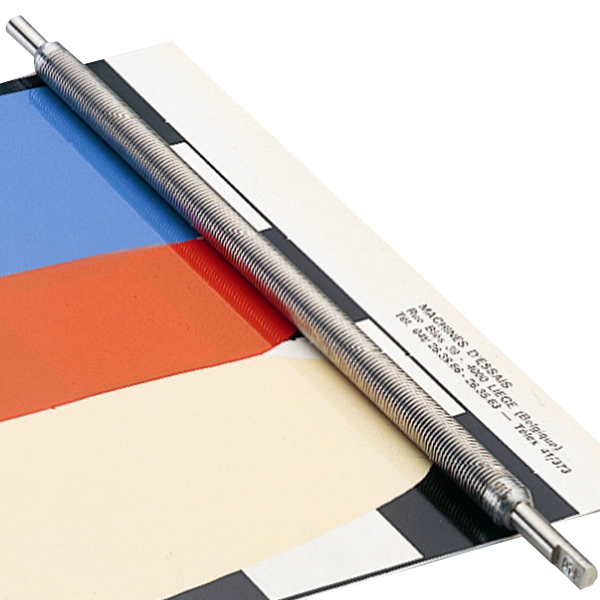
| Elcometer 4360 & 4361 Spiral Bar Coaters | Coating Application | Leveling coatings | Wire-wound control | Uneven leveling |
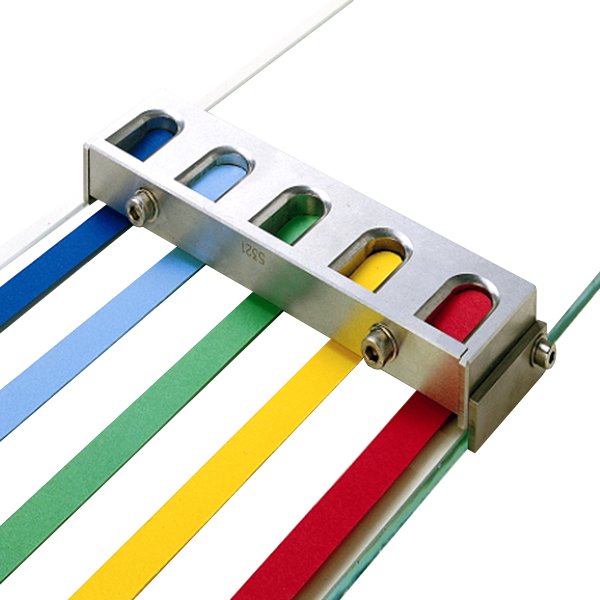
| Elcometer 3508 (4-Gap) Applicators | Coating Application | Parallel stripes | Multi-gap geometry | Non-comparable films |
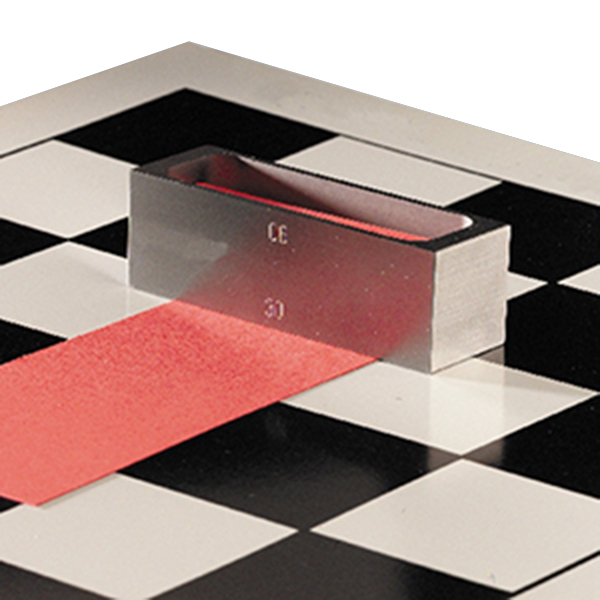
| Elcometer 3505 Cube Applicators | Coating Application | Uniform glass film strips for Drying Time Recorders | Enables controlled drying time evaluation | Invalid drying comparisons |
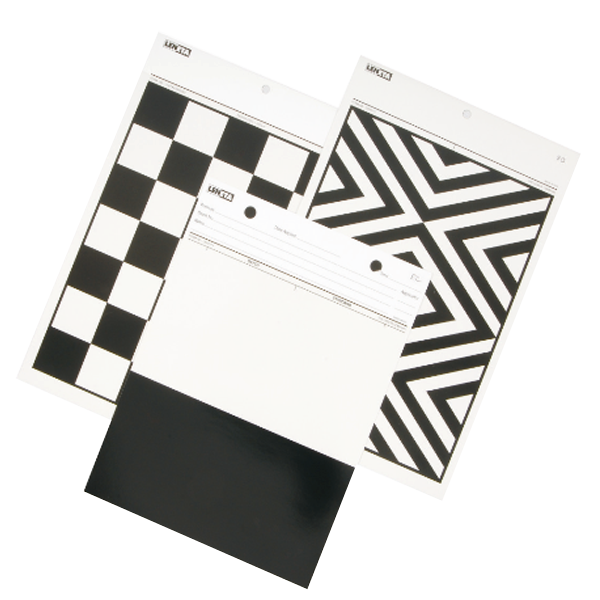
| Elcometer 4695 Leneta Test Charts | Testing Consumables | Opacity and scrub resistance panels | Includes scrub panels; ASTM D2486 requires 10mil shim | Incorrect setup alters scrub results |
Substrate Environmental Monitoring
| Product | Measurement Category | Best Use Case | Key Benefit | Operational Risk if Misapplied |
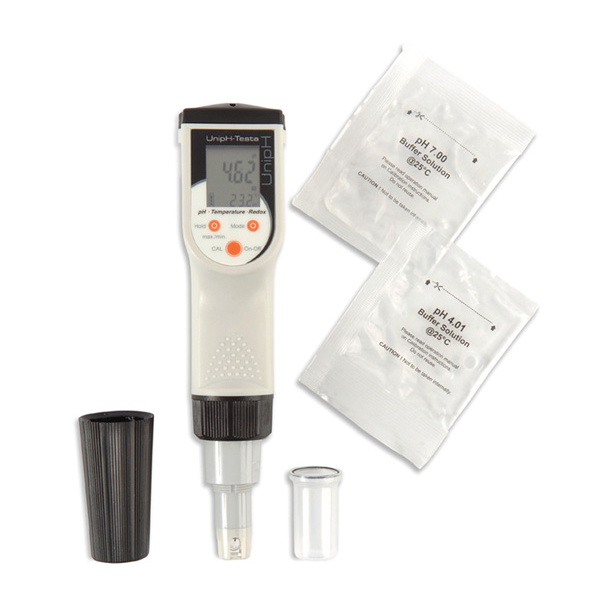
| Elcometer 148 pH Tester | Surface Acidity Measurement | Chemical surface validation | Automatic temperature compensation | Temperature bias |
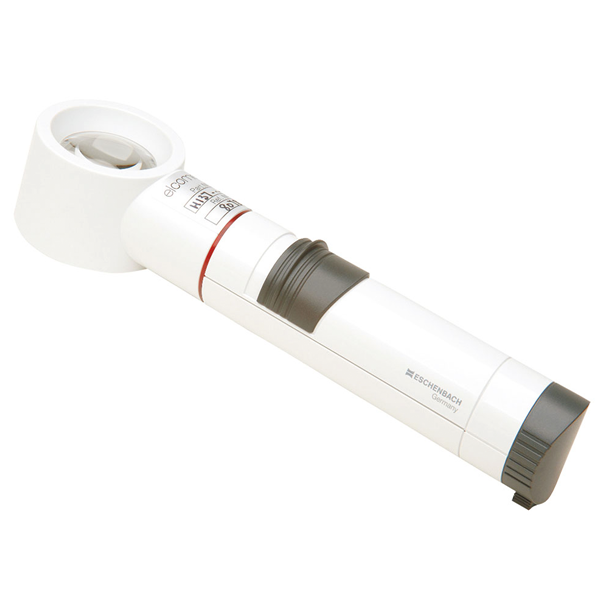
| Elcometer 137 Illuminated Magnifier | Surface Inspection | Visual inspection of surface profiles and cleanliness | x10 LED magnification | Micro-defects or contamination may be overlooked |
Note on Hardness Testing Selection:
Elcometer 3120 Shore Durometer
The Shore A scale is designed for softer materials such as rubber, elastomers, and flexible polymers, while Shore D is optimized for harder plastics and rigid thermosets. Each scale uses distinct indenter geometries and spring forces tailored to its material range, ensuring accurate measurement within the appropriate hardness spectrum.
The applied test force is controlled through interchangeable color-coded springs: Grey (0–3N), Red (0–10N), Blue (0–20N), and Green (0–30N). Selecting the appropriate spring establishes the correct load range and supports valid, repeatable scratch resistance results.
Technical Consultation Strengthens Measurement Confidence
Industrial measurement accuracy directly impacts structural reliability, operational efficiency, and compliance outcomes.
Projects benefit particularly from technical consultation when they involve:
- Structural integrity verification
- High-value or multi-layer coating systems
- Heavy machinery load validation
- Regulatory or contract-driven compliance requirements
- Complex material or environmental interactions
Supporting Your Selection Process
Technical consultation before procurement ensures that instrument selection aligns with performance expectations, environmental constraints, and applicable testing methodologies.
Minex Group's specialists can support you in defining the appropriate measurement strategy and selecting the most suitable equipment configuration for your specific industrial application.
Engaging with our technical team helps ensure that the selected instrument supports your operational reliability, documentation needs, and compliance objectives.
Frequently Asked Questions
The first step is defining the exact physical property that must be measured and understanding how it influences performance, safety, or compliance.
Gloss, hardness, elongation, rebound number, moisture content, permeability, density, dispersion, and viscosity are fundamentally different phenomena. Each requires a specific measurement principle and often aligns with a specific standard.
Selecting an instrument before defining the objective may result in technically correct readings that do not support the intended industrial decision.
Standards follow the measurement objective, not the instrument name.
For example:
- Flow cups align with ISO 2431 and DIN 53211, while certain dip cups align with ASTM D1084 and ASTM D4212, and ASTM/Ford flow cup methods align with ASTM D1200.
- Pencil hardness testing aligns with ASTM D3363 / ISO 15184.
- Buchholz hardness aligns with ISO 2815.
- Shore hardness aligns with ASTM D2240 / ISO 868.
- Barcol hardness aligns with ASTM D2583.
- Impact testing aligns with ISO 6272 / ASTM D2794.
- Rebound hammer testing aligns with EN 12504-2; ASTM C805; BS 1881:202.
- Concrete cover and corrosion potential assessment aligns with ACI 318; ASTM C876-91; BS1881:201/204; DIN 1045.
- Density testing aligns with ISO 2811-1 / ASTM D1475.
- Permeability testing aligns with ASTM D1653, ASTM E96, ISO 7783.
- pH measurement aligns with ASTM E70.
- Bolt tension monitoring aligns with ASTM E 797; EN 14127; EN 15317; ASME Section III / V.
Before selecting equipment, verify which method is referenced in your specification or contract. Applying the wrong standard may render data non-comparable or contractually invalid.
They differ in both control level and applicable standards.
- Flow cups (Elcometer 2350–2354) typically align with ISO 2431 and DIN 53211 and are intended for controlled conditions using stands, bubble levels, and thermojackets. ASTM/Ford flow cup methods align with ASTM D1200.
- Dip cups (Zahn and Shell) align with ASTM D1084 or ASTM D4212 and are designed for rapid on-site checks.
- Frikmar cups should not be treated as “only dip cups.” They are dip-style versions of flow cups and can align with a broader set of standards including DIN 53211, ASTM D1200, AFNOR NF T30-014, and ISO 2431. This matters because it affects whether your viscosity test results can be used for ISO/DIN/AFNOR compliance.
Using dip cup data as laboratory-equivalent values introduces variability and can lead to incorrect formulation adjustments.
Viscosity is temperature-dependent. Standards such as ISO 2431 assume controlled conditions.
Without temperature regulation, variations in flow time may reflect environmental changes rather than formulation differences. Using calibrated flow cups with proper setup reduces this risk.
Hardness tests measure different types of resistance:
- Pencil Hardness (ASTM D3363 / ISO 15184) evaluates scratch resistance.
- Buchholz (ISO 2815) measures indentation under constant load.
- Barcol (ASTM D2583) is suitable for composites and soft metals.
- Shore A/D (ASTM D2240 / ISO 868) measures elastomers (A) and rigid plastics (D).
The scales and indenter geometries are not interchangeable. Selecting the wrong method may invalidate results.
No.
Under EN 12504-2, rebound hammer testing assesses surface hardness and uniformity. It does not replace compressive strength testing under EN 12390 without proper correlation.
Rebound values must be interpreted correctly to avoid structural misjudgment.
Torque is influenced by friction and surface conditions.
Ultrasonic bolt tension monitoring measures actual elongation of the fastener, directly correlating to load and stress. This improves reliability in structural and safety-critical applications.
Many downstream tests depend on controlled film preparation:
Film applicators align with ASTM D823, ASTM D4147, ASTM D1640.
Scrub resistance panels align with ISO 11998.
Elcometer 4695 Leneta charts include scrub panels; ASTM D2486 requires a 10 mil shim.
If film thickness and substrate consistency are not controlled, gloss, hardness, permeability, and scrub results are not comparable.
Density (ISO 2811-1 / ASTM D1475) verifies batch consistency.
Fineness of grind (ISO 1524 / EN 21524 / ASTM D1210) ensures proper dispersion.
Skipping these steps increases the risk of finish defects and performance inconsistency.
When measurements support regulatory compliance, contractual acceptance, or cross-border projects, laboratory competence under ISO/IEC 17025 and quality management under ISO 9001 strengthen the defensibility of results.
Traceable calibration becomes critical in audits or disputes.
Consultation is advisable when:
- Measurement affects structural safety
- Multiple standards could apply
- Environmental conditions complicate testing
- Failure consequences are high
- Results must withstand audit scrutiny
Instrument selection is not only about technical capability. It is about ensuring the measurement method, applicable standard, and operational context are fully aligned.